Powerful Storm Brings Flash Flooding, Road Closures and Emergency Responses Across Los Angeles
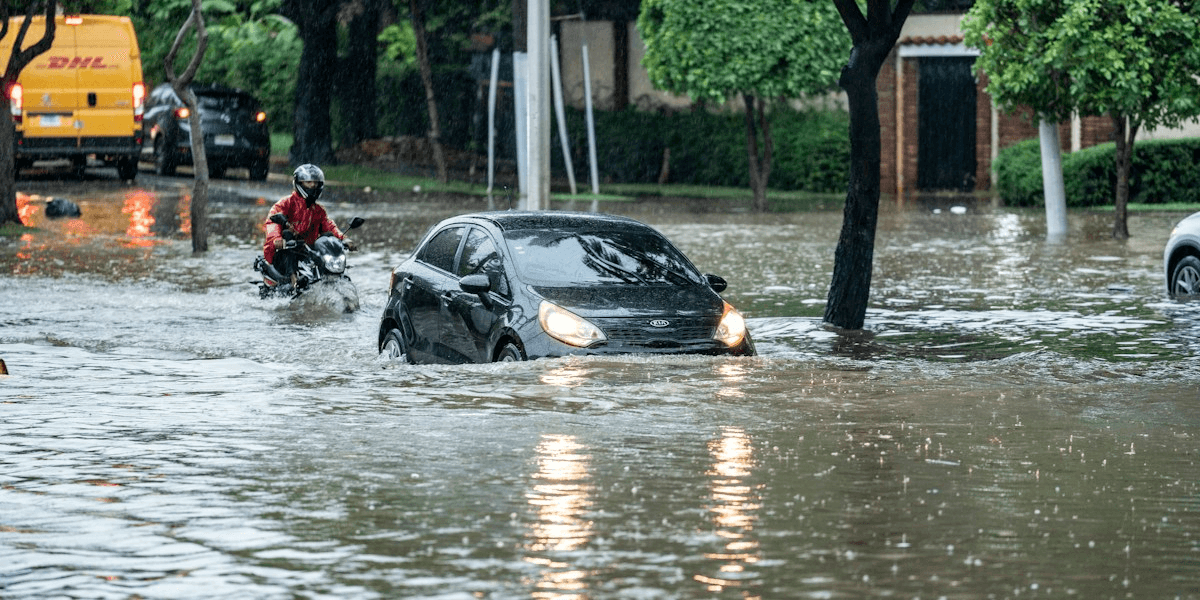
Heavy rainfall and thunderstorms affected Los Angeles and surrounding communities, prompting flood warnings, emergency deployments and travel disruptions.
Severe Weather Moves Across Southern California
A powerful storm system brought heavy rainfall, thunderstorms and localized flooding across Los Angeles and surrounding Southern California communities, creating hazardous travel conditions and prompting emergency responses on November 19, 2026.
The National Weather Service issued flash flood warnings for portions of Los Angeles County as intense rainfall moved across the region. The weather system produced substantial precipitation within a relatively short period, increasing the potential for flooding, debris flows and dangerous conditions on roadways.
City officials reported localized flooding and deployed municipal crews to address storm-related impacts throughout Los Angeles.
The storm was particularly concerning in communities near hillsides and areas previously affected by wildfires, where rainfall can increase the likelihood of mud and debris movement.
The National Weather Service's Los Angeles office reported that the highest hourly rainfall rate observed during the morning reached 2.26 inches near the Encino Reservoir in the San Fernando Valley.
The rainfall demonstrated the intensity of the system and the challenges faced by communities during periods of concentrated precipitation.
Flash Flood Warnings and Emergency Activity
The National Weather Service's Weather Prediction Center identified the Los Angeles metropolitan area as an area of concern for heavy rainfall and potential flash flooding.
Its morning assessment indicated that additional rainfall could create runoff problems, particularly on roadways, in low-lying locations and near vulnerable terrain.
A flash flood warning remained in effect for central and southern Los Angeles County through noon Pacific time.
Officials warned that flooding could affect streets, highways, underpasses, creeks and other areas where water accumulates quickly.
The storm also produced strong thunderstorms and damaging winds. Emergency reports documented downed trees and branches in West Los Angeles, Hollywood and the San Fernando Valley.
These conditions created additional risks for pedestrians, drivers, public transportation users and residents dealing with power or property disruptions.
The combination of rainfall and wind also complicated the work of municipal crews responding to blocked roads and other storm-related incidents.
Burn Scar Communities Face Additional Concerns
One of the most significant concerns involved neighborhoods located near recent wildfire burn scars.
Areas affected by the Palisades, Sunset and Hurst fires remained subject to evacuation warnings as officials monitored the possibility of mudslides and debris flows.
Wildfire damage can change the way hillsides absorb and manage rainfall. Burned vegetation and altered soil conditions may increase runoff, allowing water, sediment and debris to move more rapidly downhill.
For communities near these areas, even a relatively short period of intense rainfall can create additional hazards.
Los Angeles Mayor Karen Bass reported that city crews were responding to localized flooding and other storm-related impacts. The city also announced closures affecting the Sepulveda Basin and Lake Balboa because of flooding.
The closures illustrated how storm impacts extended beyond individual residential neighborhoods and affected public spaces and recreational facilities.
Officials urged residents to follow emergency guidance, avoid flooded roadways and remain alert to changing conditions.
Regional Effects Extend Beyond Los Angeles
The storm affected a broader portion of Southern California, with the National Weather Service identifying additional areas of concern as the system moved through the region.
Its afternoon assessment indicated that the threat of flash flooding would continue across parts of Southern California, with additional rainfall expected before conditions gradually improved.
Heavy precipitation in mountainous areas also raised concerns about runoff entering lower-elevation communities.
Transportation networks faced particular challenges because flooding can quickly affect major roads, neighborhood streets and freeway access points.
Even when rainfall begins to weaken, accumulated water, damaged trees and debris can continue to create hazards.
The storm also highlighted the importance of coordination among weather agencies, local governments, emergency responders and transportation authorities.
Weather warnings provide information about potential hazards, while municipal agencies coordinate road closures, public safety responses and emergency communications.
Preparedness Remains Important After the Storm
The November storm demonstrated the continuing weather-related challenges facing Los Angeles and surrounding communities.
Southern California periodically experiences intense rainfall events that can produce localized flooding, especially when precipitation arrives in concentrated bursts.
The risks can be more complicated in neighborhoods near steep slopes, drainage channels and areas previously affected by wildfires.
For residents, the immediate concerns include safe transportation, property protection and awareness of official warnings.
For local agencies, the event reinforces the importance of drainage maintenance, emergency staffing, infrastructure monitoring and coordinated responses during severe weather.
Although the strongest rainfall was expected to move through the region, the effects of the storm extended beyond the period of active warnings.
Flooded facilities, blocked roads and damaged trees required attention from city crews and emergency personnel.
The event placed weather preparedness and infrastructure resilience at the center of local concerns, demonstrating how quickly severe weather can affect daily life across Los Angeles.

LA News Daily Contributor
This article features partner, contributor, or branded content from a third party. Members of the LA News Daily editorial staff were not involved in the creation of this content. All views and opinions are those of the contributor alone.