Southern California Communities Assess Storm Damage After Rain, Hail and Powerful Winds
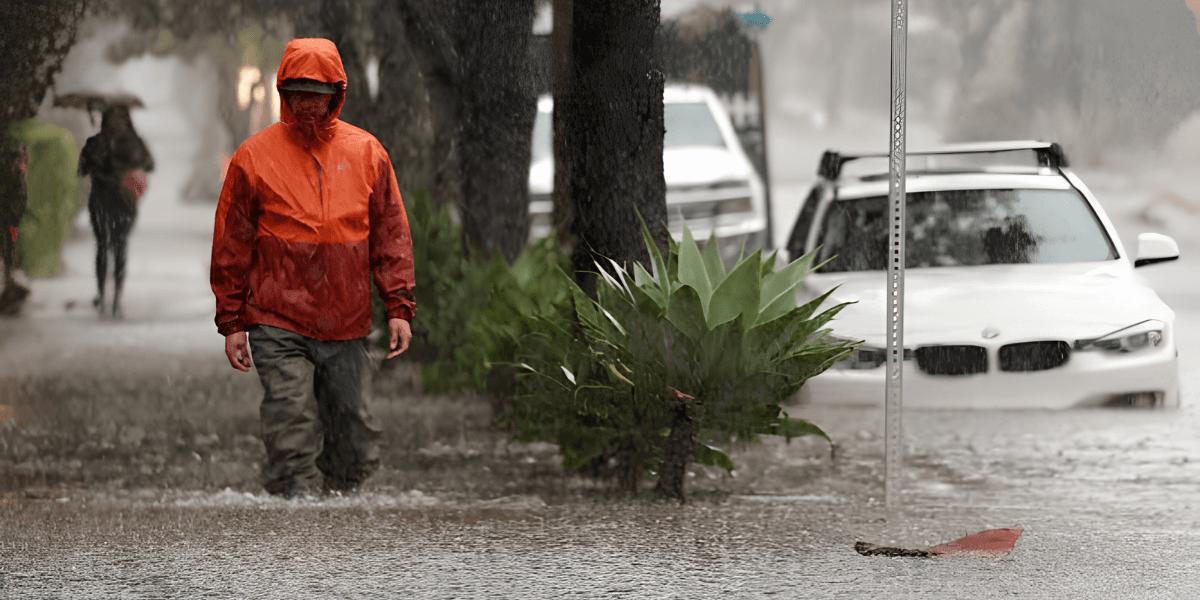
The recent storm brought flooding, hail, damaging gusts and mountain snow to Southern California, disrupting travel and prompting renewed attention to weather preparedness.
Southern California communities were assessing the effects of a powerful autumn storm after rain, hail, damaging winds and localized flooding swept across the region, with some mountain areas also receiving a dusting of snow. The storm, which moved through the area earlier in the week, affected communities from the Los Angeles region to the Inland Empire and high desert, illustrating how quickly weather conditions can change across the region’s varied terrain.
The system brought a combination of hazards rather than a single period of ordinary rainfall. Strong gusts sent debris across roads, hail affected some neighborhoods, and heavy downpours raised concerns about localized flooding. Mountain areas experienced colder conditions, with snow appearing at higher elevations.
The event followed a relatively dry period in Southern California and served as a reminder that autumn storms can bring a broad range of impacts even before the region enters its main winter rainy season.
Wind and Hail Create Local Disruptions
The storm produced powerful winds in parts of the Inland Empire and high desert. In Victorville, video recorded during the storm showed dirt, trash and other debris swirling through the air as strong gusts affected roadways and nearby properties.
Wind-related hazards can develop quickly. Loose outdoor furniture, unsecured construction materials, tree branches and other objects may become airborne, creating risks for pedestrians and drivers. Strong gusts can also affect large vehicles and make driving more difficult on exposed roads.
Hail added another layer of disruption in some communities. Hailstones can damage vehicles, roofs, outdoor equipment and landscaping, depending on their size and the intensity of the storm. Even brief hail showers may create slippery road surfaces and reduce visibility.
The storm’s effects varied across the region because Southern California contains coastal communities, inland valleys, desert areas and mountain ranges. Weather conditions can change significantly over relatively short distances, particularly when storm cells interact with local terrain.
Residents reviewing damage after such events may need to consider not only visible property damage but also hazards that remain after the rain stops, including fallen branches, damaged fences, blocked drains and debris along roads.
Flooding Risks in a Dry-Weather Region
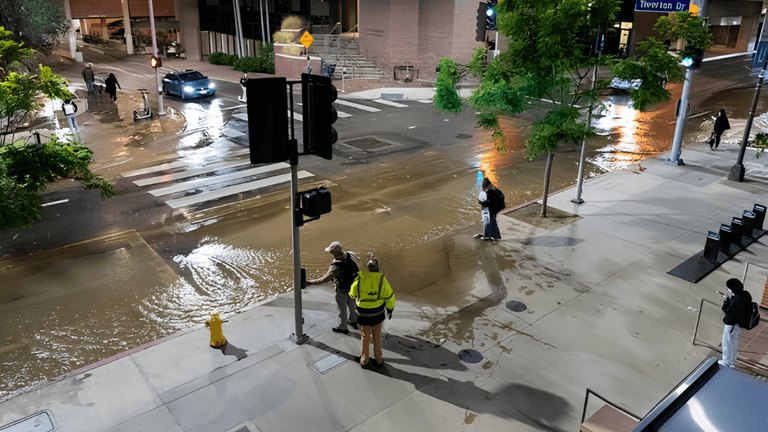
Although Southern California is known for long periods of dry weather, intense rainfall can create flooding problems when water accumulates faster than drainage systems can carry it away. Paved surfaces prevent much of the rainfall from soaking into the ground, allowing runoff to move quickly toward streets, underpasses and low-lying areas.
Flooding can develop even when a storm’s total rainfall is not unusually high. The intensity and timing of the rain matter, particularly when heavy showers pass over a small area within a short period.
Drivers face particular risks when water covers a roadway. Floodwater can hide damaged pavement, debris or other obstacles, while its depth may be difficult to judge from inside a vehicle. Road conditions can also deteriorate when water carries mud or debris onto traffic lanes.
Communities with steep slopes or areas affected by previous wildfires can face additional concerns. Burned terrain may absorb water differently, and runoff can carry sediment or debris downhill. The degree of risk depends on the specific location, soil conditions and rainfall intensity.
The storm highlights the importance of local alerts and road information during periods of unsettled weather. Conditions in one neighborhood may be manageable while a nearby area experiences a much heavier downpour.
Mountain Weather Brings an Early Winter Reminder
The system also produced colder conditions in mountain areas, where some locations received a light dusting of snow. Such changes can affect mountain travel, particularly when wet roads, lower temperatures and changing visibility occur together.
Drivers heading toward higher elevations need to account for conditions that may differ from those in Los Angeles or coastal communities. Rain at lower elevations can transition to snow at higher altitudes, while strong winds can reduce visibility and make exposed areas more difficult to navigate.
The arrival of colder weather also affects outdoor activities and infrastructure. Hikers, campers and other visitors may encounter rapidly changing conditions, while property owners in mountain communities may need to prepare for further periods of cold and precipitation as the season progresses.
A light snowfall does not necessarily indicate that a sustained winter pattern has begun. It does, however, demonstrate how autumn storm systems can affect multiple elevation zones across Southern California.
Implications for Residents and Businesses
Storm-related disruptions can affect daily routines even after the most intense weather has passed. Commuters may encounter damaged roads or traffic delays, while businesses with outdoor operations may need to inspect equipment and repair damage.
Construction projects can also face interruptions when wind affects lifting operations, wet ground complicates site work or debris must be cleared. Delivery companies may need to adjust routes, and outdoor events can be affected by changing conditions.
Residents can reduce some risks by securing loose items before strong winds, clearing appropriate drainage areas and checking properties for damage after a storm. People should avoid touching downed power lines and report dangerous conditions to the relevant authorities.
Businesses may also benefit from reviewing emergency procedures and ensuring employees know how to respond to severe weather. The specific steps depend on the location and the hazards expected, but preparation can help reduce confusion when conditions deteriorate quickly.
Looking Ahead to the Cooler Season
The storm’s combination of rain, hail, wind and mountain snow illustrates the variety of weather Southern California can experience during autumn. While the region does not face the same conditions everywhere, changing weather can disrupt transportation, property operations and outdoor activities across several counties at once.
The immediate effects depend on local rainfall totals, wind intensity and the condition of infrastructure. Longer-term preparation involves maintaining drainage systems, monitoring weather forecasts and understanding the specific risks associated with coastal, inland, desert and mountain environments.
For Los Angeles and surrounding communities, the storm is a reminder that weather preparedness is not limited to summer heat or wildfire season. Heavy rain and powerful winds can also arrive quickly, making accurate forecasts and attention to local conditions important as the region moves toward winter.

LA News Daily Contributor
This article features partner, contributor, or branded content from a third party. Members of the LA News Daily editorial staff were not involved in the creation of this content. All views and opinions are those of the contributor alone.