Bostyn Group: Turning Hospitality Experience Into an Enduring Enterprise
A hospitality operator is turning experience into systems, with a larger goal: an enterprise built to endure.
For Darrell Christian Ledford, the next chapter of Bostyn Group begins with a test: Can the business succeed without depending on him? “I want Bostyn Group to become an institution that can exist beyond any one person, including me,” he says. “If the company depends entirely on its founder to succeed, then we haven't actually built an enterprise.” That question marks a shift in the founder and CEO’s work, from leading operations himself to building the structure that allows others to lead well.
Bostyn Group Moves From Experience To Enterprise
Ledford brings more than two decades of hospitality leadership to that task. His background spans hotel operations, property transitions, underperforming assets, team development, and owner relations. Those roles form the foundation of Bostyn Group LLC, a Native American-owned holding company and emerging operating platform. Yet experience is only the starting point. The current challenge is to turn knowledge gained through direct responsibility into clear standards, sound decisions, and leadership habits that can support a business beyond its founder’s daily involvement.
That distinction explains why the company’s ambitions extend beyond consulting. Advice can identify a problem without resolving who must act, how progress will be measured, or what happens when results fall short. Bostyn’s model centers on those next steps. Its developing platform brings together strategic advisory, direct operations, operating systems, and the capacity to evaluate future acquisitions. These are parts of an evolving enterprise strategy, not a claim that a broad portfolio of acquired businesses already exists.
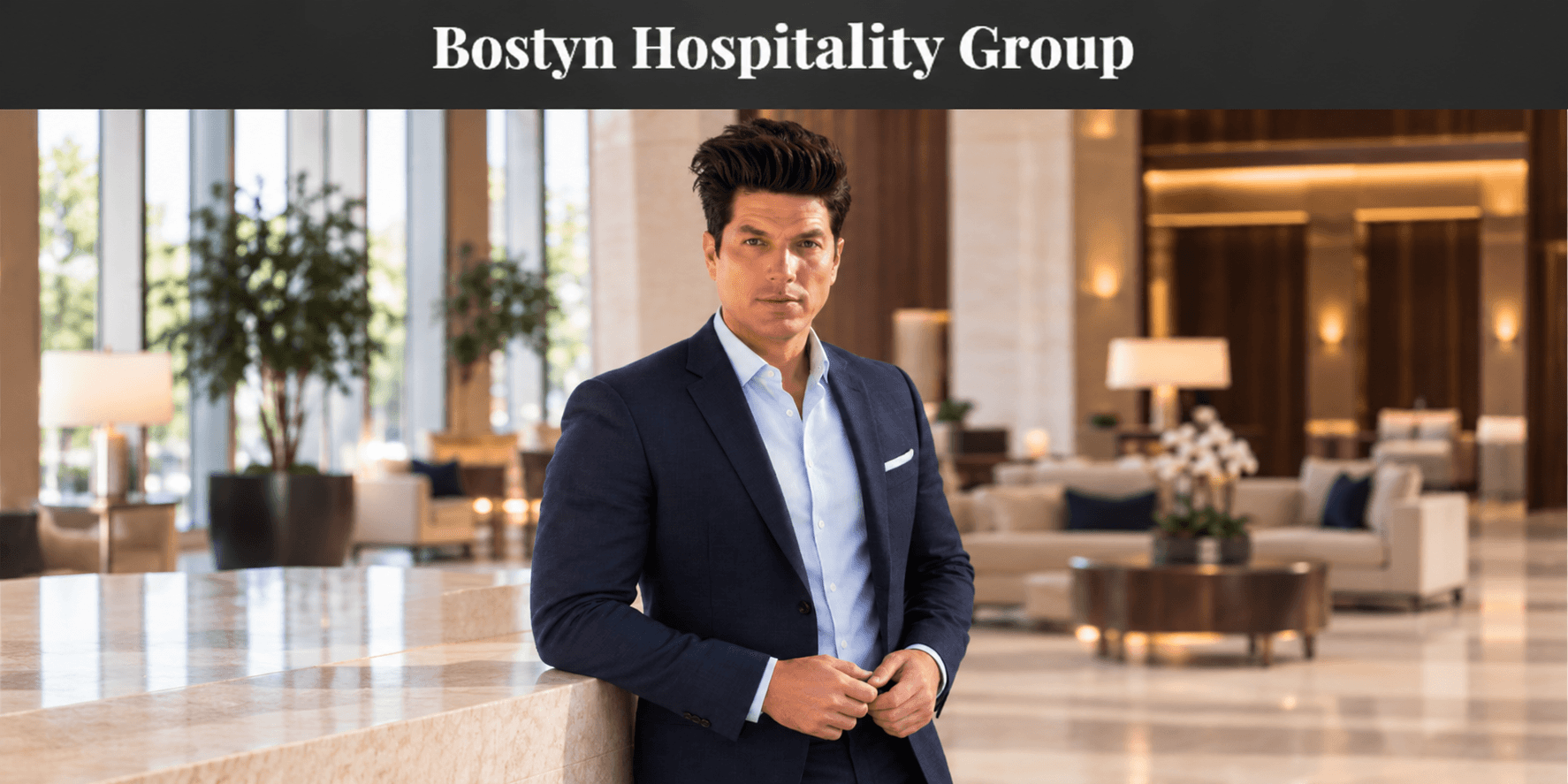
Hospitality remains the proving ground. Through Bostyn Hospitality Group, its core operating division, the organization focuses on hotel management, transitions, operational improvement, and asset performance. The approach starts with the property rather than a fixed template. Ownership goals, market position, staffing, brand requirements, and daily operating conditions all shape the plan. For an owner, the intended benefit is practical: a strategy connected to the business as it functions, with clear responsibility for carrying it out.
The next step is to make that approach less dependent on personal intervention. A founder can spot a problem, explain a decision, or step into a difficult transition. An enduring organization needs more. It needs leaders who know when to act, teams that understand expectations, and systems that keep useful information moving. Bostyn Group is developing that foundation now. Its progress will depend not simply on documenting Ledford’s experience, but on making that knowledge useful to people facing new situations.
Bostyn Group Builds Systems Without Rigidity
The company describes this foundation as operating architecture. At a high level, it includes standard operating procedures, governance frameworks, performance measures, reporting practices, and operational playbooks. The purpose is not to produce more paperwork. It is to help people execute with greater consistency. A useful standard should clarify the work, show who owns the outcome, and help leaders see whether a change is working. Internal methods remain proprietary; their intended role is to make sound execution easier to repeat.
That work involves a balance. Too little structure can leave teams dependent on memory, individual habits, or the availability of a senior leader. Too much can slow decisions and bury judgment beneath approvals. Ledford frames the goal plainly: “The goal is institutional discipline without losing entrepreneurial agility. You should be able to build sophisticated systems and strong accountability without creating an organization that becomes too bureaucratic to act.” For Bostyn Group, scale must not come at the cost of responsiveness.
In practice, that philosophy calls for consistent expectations alongside flexible decisions. Two hotels may need the same clarity about responsibility but very different staffing or transition plans. A common reporting framework can help leaders compare performance without assuming every property faces the same conditions. The distinction matters because standardization is a tool, not the final goal. Bostyn’s stated approach seeks to preserve what makes each asset distinct while giving its teams a shared language for performance and accountability.
People are central to that design. The company treats employee development, organizational culture, and financial discipline as connected concerns. Clear expectations can help employees understand both their duties and their opportunities to grow. Likewise, managers need more than a target; they need the authority, information, and skills to respond. This is where a people-first philosophy becomes an operating question. How does a business build capable leaders, address weak performance fairly, and create conditions in which good work can continue after a particular manager leaves?
Bostyn Group Connects Intelligence With Stewardship
Technology supports the model, but Bostyn Group does not present it as a substitute for leadership. Its developing approach includes data analytics, operational intelligence, and artificial intelligence as tools for better visibility. The aim is to help leaders recognize changes sooner, ask better questions, and assess potential operating risks. Those are intended capabilities, not published performance results. The distinction keeps the technology story grounded: useful information matters only when someone can interpret it, decide what to do, and remain accountable for the response.
This perspective also shapes the company’s longer-term ownership ambitions. Bostyn intends to build the capacity to advise, operate, improve, and eventually own businesses within a broader enterprise. An ownership mindset asks whether a decision strengthens the organization, not merely whether it resolves today’s issue. Does it develop the team? Does it protect the asset? Will the process remain useful when circumstances change? These questions connect daily operations with the larger goal of building a company that can retain its capabilities as it grows.
Native American ownership adds another dimension to that goal. For Bostyn Group, stewardship includes the ambition to create jobs, develop future leaders, strengthen communities, and extend opportunity across generations. These are long-term commitments, not claims of impact already measured. Their significance lies in how they shape the enterprise being built. A business designed to endure needs more than durable systems. It also needs a reason to preserve and improve them, and people prepared to carry that responsibility forward.
For owners and business leaders considering operational change, Bostyn Group’s next chapter offers a useful lens: look beyond the recommendation to the organization that must execute it. Explore the company’s operating philosophy and hospitality division to understand how its developing platform connects property-level needs with leadership, systems, and long-term stewardship. The relevant question is not simply what should change today, but what capabilities should remain tomorrow. That is the standard Bostyn is setting for its own growth, and the conversation it invites others to examine. Connect with Bostyn Group and Bostyn Hospitality Group.

LA News Daily Contributor
This article features partner, contributor, or branded content from a third party. Members of the LA News Daily editorial staff were not involved in the creation of this content. All views and opinions are those of the contributor alone.