Santa Ana Winds and Malibu Fire Threaten Southern California Communities
Wildfire activity and strong winds placed renewed attention on evacuation readiness, emergency response and public safety across the Los Angeles region.
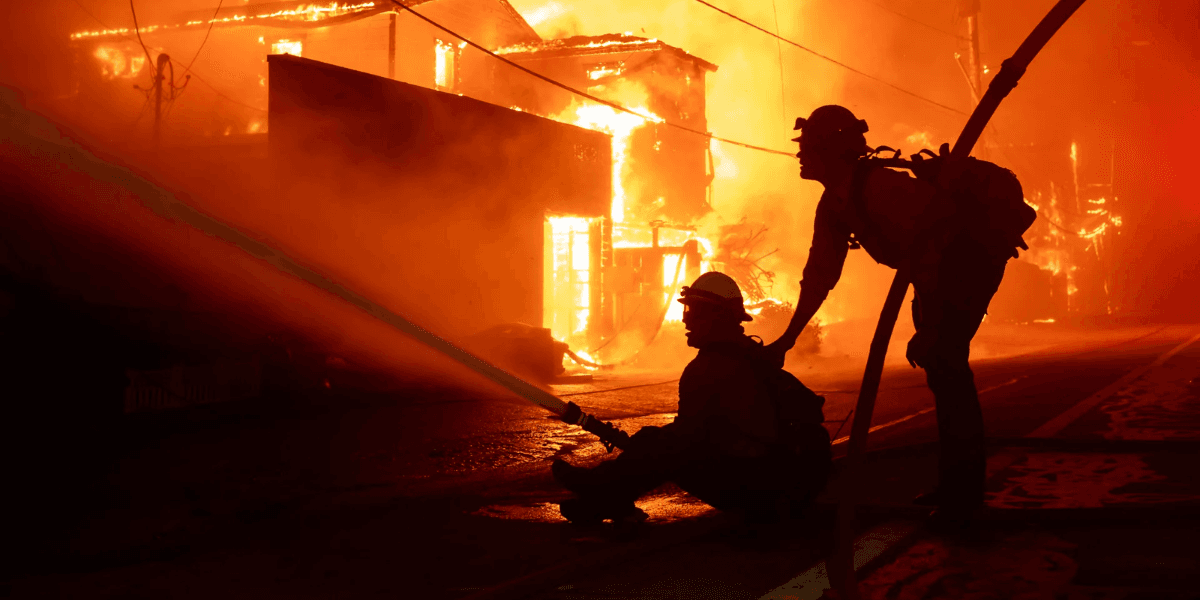
Southern California faced renewed wildfire concerns on Saturday as firefighters worked against wind-driven fire activity and officials warned residents to remain attentive to evacuation information and changing conditions.
The developments followed reports of a wildfire in Malibu that prompted evacuations, while Santa Ana winds increased concerns about the potential for flames to spread rapidly through dry vegetation. The situation placed communities across Los Angeles County under pressure as emergency personnel worked to protect residents and property.
Wildfires are a recurring threat in Southern California, where dry vegetation, steep terrain, seasonal winds and development near wildland areas can combine to create dangerous conditions. When strong winds develop, fire behavior can change quickly, reducing the time available for residents to respond to evacuation orders.
Wind Conditions Complicate Firefighting
Santa Ana winds are dry, often warm winds that move from inland areas toward the Southern California coast. Their effects can be particularly serious during wildfire season because they can accelerate fire spread, carry embers over long distances and make it more difficult for firefighters to establish containment lines.
The combination of wind and dry vegetation can also create new ignition risks. Burning embers may travel beyond the main fire perimeter, potentially starting spot fires in areas that initially appear separated from the blaze.
For firefighting crews, these conditions require continuous reassessment of where resources can be deployed safely. Firefighters must consider wind direction, terrain, road access, available water supplies and the location of threatened homes.
Aircraft may provide support when weather and visibility allow, but ground crews remain essential for protecting structures, establishing control lines and responding to new ignitions.
The situation around Malibu illustrated the difficulty of managing fire threats in a region where residential neighborhoods can sit close to hillsides and open land. The geography can complicate evacuation routes and place homes near areas where flames may spread quickly.
Evacuations and Community Preparedness
Evacuation orders are among the most important tools available to emergency authorities when a fire threatens populated areas. Residents in designated evacuation zones may be instructed to leave immediately, while people in nearby areas may be told to prepare for possible evacuation.
Following official instructions is critical because road conditions, wind shifts and the speed of a fire can make a previously safe route dangerous. Residents should rely on current notices from local emergency management agencies, fire departments and law enforcement rather than outdated social media posts or unverified reports.
Households can reduce delays by preparing essential medications, identification, communication devices, chargers and important documents before an emergency develops. Families with children, older adults, people with disabilities or pets may need additional time and transportation planning.
Residents should also avoid entering closed areas or approaching fire perimeters to observe conditions. Unnecessary traffic can obstruct emergency vehicles and expose people to smoke, debris and rapidly changing hazards.
Emergency planning is particularly important for neighborhoods with limited road access. In hillside communities, a small number of routes may serve many homes, increasing the importance of leaving promptly when authorities issue evacuation instructions.
The Challenge of Protecting Homes
The Los Angeles region has experienced repeated destructive wildfires, making the protection of homes and infrastructure a continuing concern for local governments and residents.
Buildings near vegetation may face exposure to direct flames, radiant heat and windblown embers. Embers can enter through vents, accumulate beneath decks or ignite combustible materials near exterior walls.
Fire-resistant construction, maintained defensible space and the removal of flammable materials near buildings can reduce some risks, although no single measure guarantees that a property will survive a wildfire.
Public infrastructure may also be affected. Roads can close, electricity may be interrupted, and smoke can reduce air quality far beyond the immediate fire area. These consequences can disrupt commuting, school activities, local businesses and access to essential services.
Property protection must therefore be considered alongside community-wide emergency planning. A home may have effective fire-resistant features, but residents still need reliable evacuation information and safe access to roads.
Health Concerns Extend Beyond the Flames
Wildfire smoke can affect people who live far from the fire itself. Fine particles released during combustion can irritate the eyes and respiratory system and worsen existing heart or lung conditions.
People experiencing smoke exposure may benefit from limiting strenuous outdoor activity, keeping indoor air as clean as possible and following local air-quality guidance. Individuals with medical conditions should follow advice from their healthcare professionals and emergency authorities.
Smoke exposure can be particularly concerning for children, older adults and people with respiratory sensitivities. Local conditions can change throughout the day as winds move smoke into or away from residential areas.
Officials may issue additional health guidance when air quality deteriorates, making updated public information important even for residents outside evacuation zones.
A Continuing Regional Risk
Wildfires are not confined to the immediate area where flames are visible. Their effects can extend to transportation, public health, housing, business operations and emergency services across a wider region.
The Malibu fire and the broader wind threat underscored the importance of coordination among fire departments, emergency managers, utility operators and residents. Responders must adapt to changing conditions while protecting evacuation routes and prioritizing the safety of people in threatened areas.
For Southern California communities, the immediate priority remains following official instructions and avoiding unnecessary exposure to fire and smoke. Longer-term resilience depends on preparedness, land management, building practices and infrastructure capable of supporting communities during emergencies.
As conditions evolve, accurate and timely information remains essential. Residents should continue to monitor local authorities for evacuation updates, road closures and health advisories rather than assume that conditions will remain stable.

LA News Daily Contributor
This article features partner, contributor, or branded content from a third party. Members of the LA News Daily editorial staff were not involved in the creation of this content. All views and opinions are those of the contributor alone.