Coastal Waves Damage Long Beach Homes as Officials Assess Threatened Structures
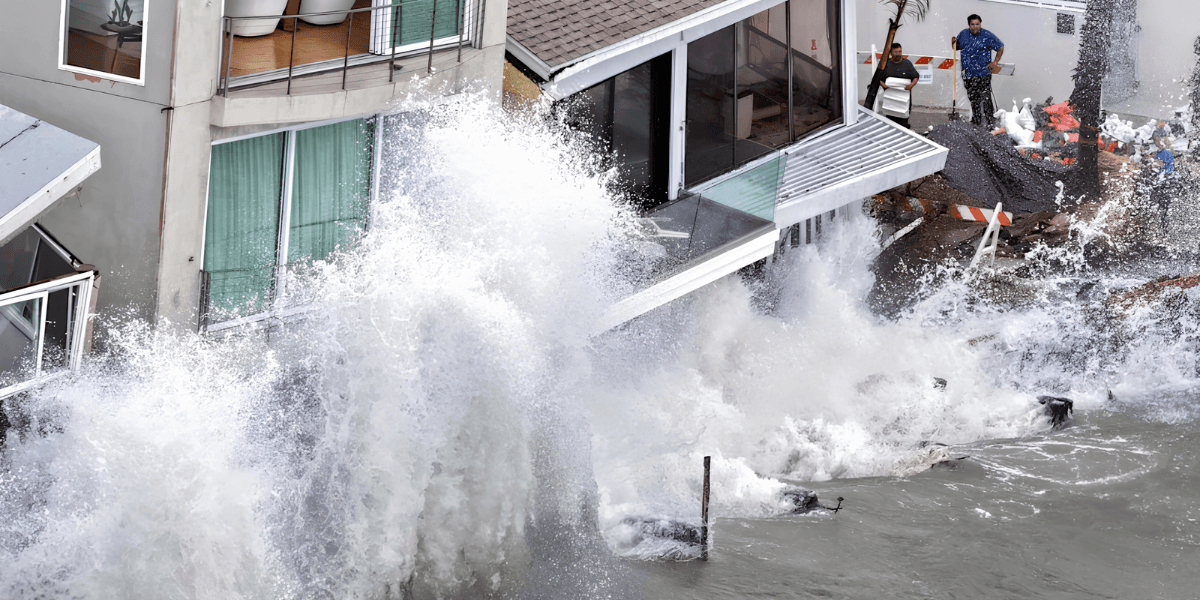
Repeated waves along the Long Beach Peninsula left 13 structures red-tagged, prompting inspections and concern over continued coastal damage.
Coastal Damage Prompts Property Inspections
Repeated waves associated with the remnants of Tropical Storm Rachel damaged beachfront properties along the Long Beach Peninsula in Southern California, leaving 13 structures red-tagged and another marked for additional inspection, according to local reporting.
The damage highlighted the vulnerability of coastal homes when powerful waves and high tides affect shorelines over several consecutive days. Inspectors were assessing properties as waves continued to remove sand from beneath foundations, creating concerns about structural stability and the possibility of further damage.
The incident affected a stretch of coastline where homes sit close to the beach, leaving some buildings exposed to changing sand levels and wave action. Officials faced the challenge of determining which structures could remain occupied and which required restrictions while assessments continued.
The number of affected properties could change as inspectors gained access to additional locations and evaluated the extent of the damage.
Why Repeated Wave Action Matters
Coastal erosion can develop gradually, but periods of stronger wave activity can accelerate the loss of sand around buildings and other infrastructure. When sand supporting a foundation is removed, the structure may become more vulnerable to movement, undermining or collapse.
The risk is especially serious for properties built close to the waterline. Their exposure depends on shoreline conditions, foundation design, protective measures and the amount of sand remaining between buildings and incoming waves.
Repeated wave action can also complicate emergency assessments. A structure that appears stable during one inspection may face additional stress if the shoreline continues to erode or another high tide brings stronger waves.
Red-tagging is a safety measure used to restrict access to a structure considered unsafe. A yellow tag generally signals that a building has restricted use or requires further assessment. These designations communicate that residents and visitors should follow officials’ instructions rather than assume a property remains safe because it is still standing.
Emergency Response and Public Safety
Local crews were mobilized as authorities worked to assess damage and reduce the risk of further impacts. Inspections in coastal areas can be difficult when waves continue reaching threatened properties, limiting the time available for crews to examine foundations and surrounding ground.
Officials must consider both immediate structural conditions and the possibility of additional erosion. Where access is restricted, property owners may need to wait for further assessments before returning or undertaking repairs.
Coastal hazards can also affect nearby public areas. Damaged sand, unstable ground and debris may create dangers for people walking along the shoreline, while emergency crews must work around changing conditions.
The situation underscores the importance of following official warnings and property restrictions during coastal emergencies. Residents should not enter red-tagged structures or attempt to inspect unstable foundations without authorization.
Broader Questions for Coastal Communities
The Long Beach damage illustrates a challenge facing communities along California’s coastline: balancing residential development with exposure to natural coastal processes.
Beachfront properties can face changing conditions as waves, tides and erosion alter the shoreline. Protective structures and other interventions may reduce certain risks, but their effectiveness varies by location and can involve additional environmental and engineering considerations.
Repeated damage can also have financial consequences for property owners, insurers and local authorities. Repairs may involve foundations, retaining structures, utilities and access routes, while prolonged restrictions can disrupt residents’ use of their homes.
The event does not by itself establish the long-term condition of the entire coastline. It does, however, demonstrate how several days of damaging wave activity can create immediate safety concerns for individual properties.
Assessments Continue as Conditions Evolve
The number of affected buildings and the extent of the damage remained subject to inspection. The red-tagged properties faced restrictions while officials evaluated safety, and crews continued working to understand the consequences of the waves.
For Long Beach residents, the incident served as a reminder that coastal risk is not limited to flooding alone. Erosion beneath foundations can threaten buildings even when the primary damage is not immediately visible from the street.
The response depends on careful inspection, clear communication and restrictions that prevent residents from entering unsafe areas. As assessments continue, decisions about access and repairs will depend on the condition of each structure and the stability of the surrounding ground.
The damage along the peninsula places coastal property safety at the center of local attention, illustrating how quickly changing shoreline conditions can affect homes and communities.

LA News Daily Contributor
This article features partner, contributor, or branded content from a third party. Members of the LA News Daily editorial staff were not involved in the creation of this content. All views and opinions are those of the contributor alone.