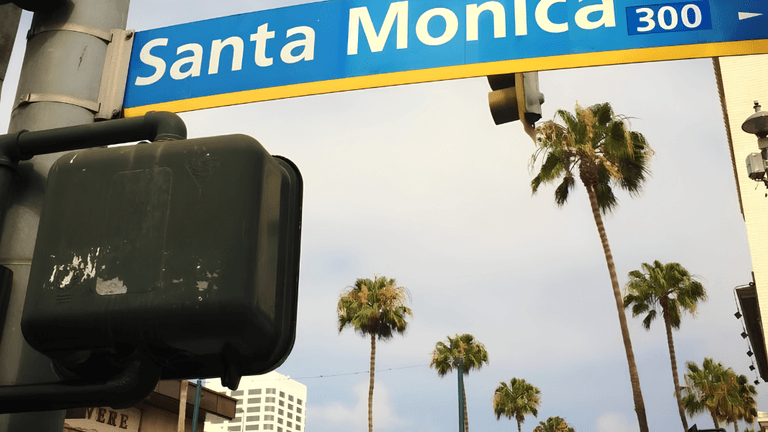
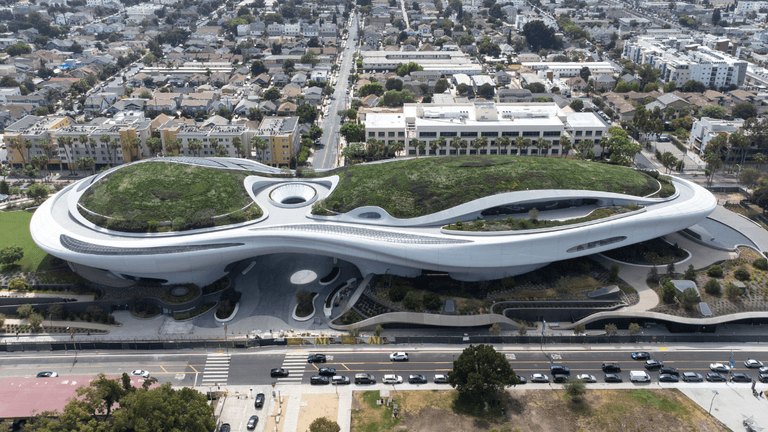
Los Angeles Hosts Major Expansion Announcement for Metro Transit Projects
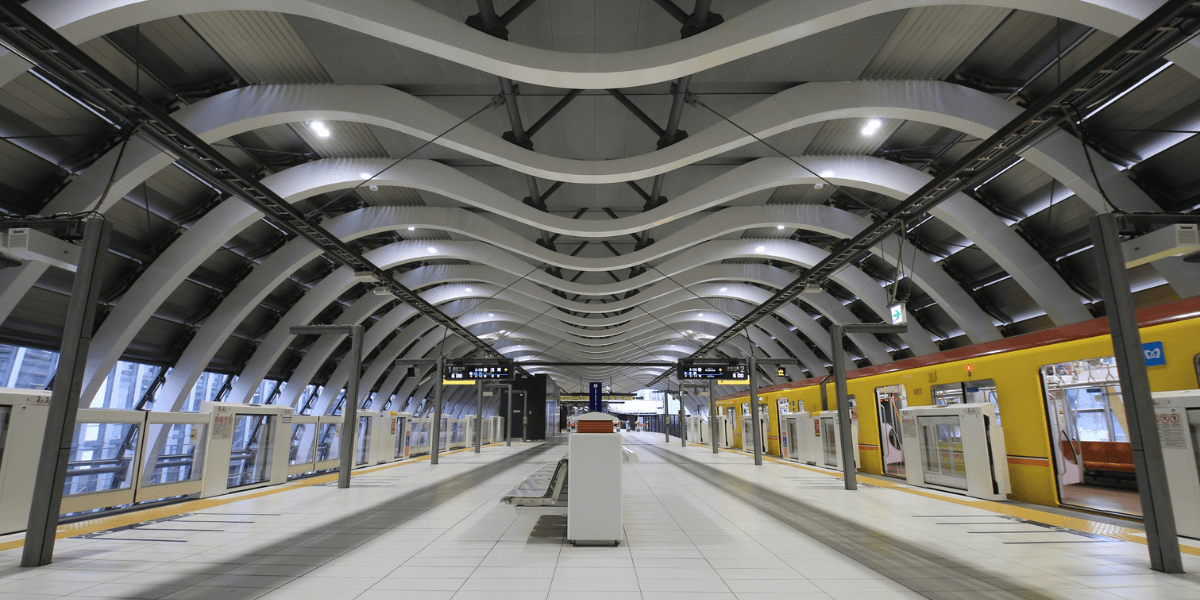
Los Angeles marked a significant milestone in its ongoing infrastructure development on April 25, 2026, as regional transportation officials formally announced progress updates and new expansion phases for several major Metro transit projects. The developments, revealed during a public briefing by the Los Angeles County Metropolitan Transportation Authority (Metro), underscore the city’s long-term strategy to improve mobility, reduce congestion, and support sustainable urban growth.
At the center of the announcement is continued advancement on multiple rail and bus rapid transit (BRT) initiatives, including updates on the D Line (Purple Line) Extension and the East San Fernando Valley Light Rail Project. These projects are part of a broader, voter-approved investment plan aimed at modernizing Los Angeles’ transportation network ahead of major international events and long-term population growth.
According to Metro officials, construction on the D Line Extension, one of the most closely watched transit expansions in the region, remains on track, with significant tunneling and station development milestones achieved in recent months. The project will extend heavy rail service further into the Westside, connecting densely populated and economically vital areas. Once completed, the extension is expected to provide faster, more reliable alternatives to car travel along one of the city’s most congested corridors.
In addition to rail expansion, Metro highlighted progress on bus rapid transit systems designed to improve connectivity in underserved neighborhoods. The East San Fernando Valley Light Rail Project, for example, is expected to enhance transit access for thousands of residents, linking communities to employment centers, schools, and healthcare facilities. Officials emphasized that these projects are not only about transportation but also about economic accessibility and community development.
The April 25 update also included new data on projected ridership and environmental benefits. Metro estimates that expanded transit options could significantly reduce vehicle miles traveled across Los Angeles County, contributing to improved air quality and lower greenhouse gas emissions. These projections align with broader sustainability goals and reflect increasing emphasis on environmentally responsible urban planning.
From a business and real estate perspective, the expansion of transit infrastructure is expected to have a measurable impact on property values and development patterns. Historically, areas with improved transit access have experienced increased demand for both residential and commercial properties. Proximity to reliable public transportation continues to be a key factor influencing real estate investment decisions in major metropolitan areas.
Developers in Los Angeles are already responding to these trends by planning transit-oriented developments (TODs) near current and future Metro stations. These projects typically include a mix of residential units, retail spaces, and office facilities designed to maximize accessibility and reduce reliance on personal vehicles. As new transit lines come online, experts anticipate further growth in these types of developments, particularly in areas previously underserved by public transportation.
Local businesses also stand to benefit from increased foot traffic generated by transit expansion. Improved accessibility can attract new customers, support small business growth, and contribute to the revitalization of commercial corridors. In neighborhoods along planned transit routes, community leaders have expressed optimism about the potential for economic uplift, while also emphasizing the importance of balanced development to maintain affordability.
However, the expansion efforts are not without challenges. Large-scale infrastructure projects often face complexities related to funding, construction timelines, and community impact. Metro officials acknowledged these factors during the April 25 briefing, noting that ongoing coordination with local stakeholders is essential to minimize disruptions and ensure that projects meet community needs.
Funding for these initiatives primarily comes from local sales tax measures as well as state and federal contributions. This multi-source funding approach has enabled Los Angeles to undertake one of the most ambitious transit expansion programs in the country. Long-term transportation plans outline billions of dollars allocated toward improving mobility across the region over the coming decades.
For residents, the key takeaway from the April 25 announcement is the continued momentum behind efforts to transform how people move around Los Angeles. While construction timelines extend over several years, the long-term benefits, including reduced commute times, improved air quality, and expanded economic opportunities, are expected to reshape daily life across the city.
The significance of these developments extends beyond transportation alone. By investing in infrastructure, Los Angeles is positioning itself to address some of its most pressing urban challenges, including traffic congestion, housing accessibility, and environmental sustainability. The integration of transit planning with real estate and economic development strategies reflects a comprehensive approach to urban growth.
As construction progresses and new phases are implemented, continued public engagement and transparent reporting will play a critical role in maintaining community support. For now, the April 25 update serves as a clear indicator that Los Angeles remains committed to building a more connected and sustainable future through strategic infrastructure investment.

LA News Daily Contributor
This article features partner, contributor, or branded content from a third party. Members of the LA News Daily editorial staff were not involved in the creation of this content. All views and opinions are those of the contributor alone.
previous post
The Poetry of Goran Rahim: Love Across Worlds