Los Angeles Small Business Activity Surges as Spring Economy Gains Momentum

Los Angeles saw a notable increase in small business activity on April 29, 2026, as new data and local reports highlighted a surge in retail, dining, and service sector performance across several neighborhoods. The uptick reflects growing consumer confidence and seasonal economic momentum, positioning small businesses as a central driver of the city’s ongoing recovery and growth.
According to the Los Angeles Area Chamber of Commerce, small business foot traffic and sales volumes showed measurable improvement in April compared to earlier months in 2026. Districts such as Downtown Los Angeles, West Hollywood, and Silver Lake reported particularly strong activity, with local establishments benefiting from increased in-person engagement and seasonal events that draw both residents and visitors.
Retail businesses experienced one of the most noticeable rebounds. Data from the National Retail Federation indicates that spring shopping trends in 2026 have been supported by stable employment levels and steady consumer spending. In Los Angeles, this translated into higher customer turnout for boutiques, specialty stores, and pop-up markets. Many retailers have adapted their strategies by combining physical storefront experiences with digital platforms, creating a hybrid model that continues to attract a broader audience.
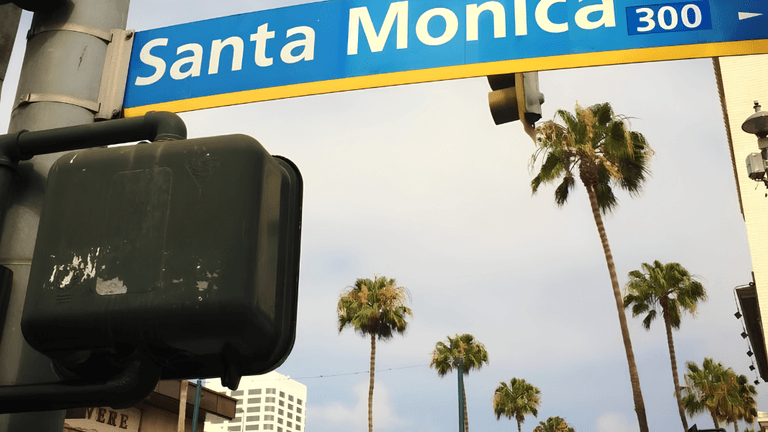
The restaurant and hospitality sector also reported gains. According to the California Restaurant Association, dining activity in urban centers has steadily increased, supported by warmer weather and expanded outdoor seating options. In Los Angeles, restaurants in areas like Santa Monica and Koreatown saw increased reservations and walk-in traffic on April 29, with operators noting a return of consistent weekday business alongside weekend peaks.
Service-based businesses, including personal care providers, fitness studios, and creative agencies, also contributed to the day’s economic activity. Industry analysts point to a broader shift in consumer behavior, where demand for local and personalized services continues to rise. This trend has created opportunities for entrepreneurs and small business owners to expand their offerings and strengthen customer relationships.
From a business and real estate perspective, the resurgence in small business activity is having a direct impact on commercial leasing trends. Reports from CBRE and Colliers indicate that demand for retail and mixed-use spaces in Los Angeles has increased, particularly in walkable neighborhoods with high foot traffic. Landlords are responding by offering flexible lease terms and investing in property upgrades to attract tenants.
City officials have emphasized the importance of small businesses in sustaining local economies. According to the U.S. Small Business Administration, small businesses account for nearly half of private-sector employment nationwide, and their performance is often a key indicator of economic health. In Los Angeles, initiatives aimed at supporting small enterprises, including access to financing, business development programs, and streamlined permitting processes, have contributed to the current momentum.
The April 29 surge also reflects the role of community-driven events in boosting local commerce. Neighborhood markets, street fairs, and cultural gatherings held throughout the week attracted visitors and encouraged spending at nearby businesses. These events not only generate immediate economic benefits but also help build long-term customer engagement and brand visibility for local enterprises.
Technology continues to play a significant role in shaping the small business landscape. Digital payment systems, online ordering platforms, and social media marketing tools have become essential for reaching customers and managing operations. According to a report from Deloitte, small businesses that integrate digital solutions tend to achieve higher growth rates and improved operational efficiency.
However, challenges remain. Rising operational costs, including rent and labor expenses, continue to affect many business owners. While increased customer activity provides relief, maintaining profitability requires careful cost management and strategic planning. Industry experts note that collaboration between business owners, landlords, and local organizations will be key to sustaining growth.
For entrepreneurs, the current environment presents both opportunity and responsibility. The resurgence in demand offers a chance to expand and innovate, but it also requires adapting to evolving consumer expectations. Businesses that prioritize customer experience, flexibility, and community engagement are more likely to succeed in this dynamic landscape.
The developments on April 29, 2026, highlight the resilience of Los Angeles’ small business community and its ability to adapt to changing conditions. The increase in activity across retail, dining, and service sectors signals a positive trajectory for the local economy, with small businesses playing a central role in driving growth.
Key takeaways include the importance of seasonal momentum in economic recovery, the value of community engagement in supporting local enterprises, and the growing role of technology in business operations. As Los Angeles continues to evolve, the strength of its small business sector will remain a critical factor in shaping the city’s economic future.
Looking ahead, sustained support for small businesses, through both public initiatives and consumer engagement, will be essential in maintaining this progress. The April 29 surge serves as a clear example of how local enterprises contribute not only to economic activity but also to the cultural and social fabric of Los Angeles.

LA News Daily Contributor
This article features partner, contributor, or branded content from a third party. Members of the LA News Daily editorial staff were not involved in the creation of this content. All views and opinions are those of the contributor alone.
previous post
The Poetry of Goran Rahim: Love Across Worlds