Los Angeles Commercial Real Estate Activity Picks Up Amid Spring Market Rebound

Los Angeles’ commercial real estate sector showed renewed momentum on April 27, 2026, as new market data and industry reports highlighted a measurable increase in leasing activity and investment interest across key business districts. The shift reflects a broader recovery trend in one of the nation’s most closely watched property markets, with implications for local businesses, developers, and community growth.
According to recent updates from CBRE and JLL, two of the largest commercial real estate services firms in the United States, leasing volume in Los Angeles increased during the first quarter of 2026, with activity continuing to strengthen into late April. Office, retail, and industrial properties all showed signs of improvement, though the pace of recovery varies by sector.
The industrial segment remains the strongest performer in the region. Demand for warehouse and logistics space continues to be driven by e-commerce growth and supply chain adjustments. Vacancy rates for industrial properties in the greater Los Angeles area remain relatively low compared to national averages, with new developments underway in key logistics corridors such as the Inland Empire. These projects are helping to meet demand while supporting job creation tied to distribution and transportation.
Retail real estate is also experiencing gradual stabilization. While some brick-and-mortar businesses faced challenges in recent years, foot traffic in several Los Angeles neighborhoods has improved, particularly in mixed-use developments and high-density areas. Industry data from the National Retail Federation indicates that in-person shopping activity has rebounded steadily, contributing to renewed interest in retail leasing. Property owners are adapting by prioritizing flexible lease terms and curating tenant mixes that align with local consumer preferences.
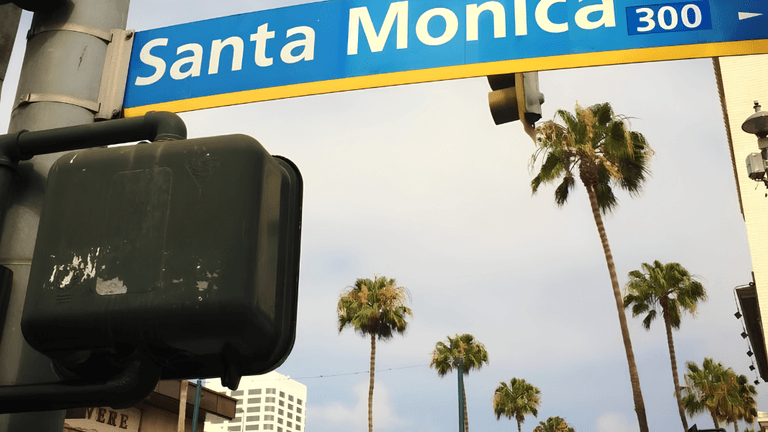
The office sector, which has undergone significant transformation since 2020, is showing early signs of adjustment rather than full recovery. Hybrid work models continue to influence space utilization, leading companies to reassess their office footprints. However, recent leasing agreements suggest that businesses are seeking high-quality, amenity-rich spaces that support collaboration and employee engagement. In Los Angeles, this trend is particularly evident in areas such as Downtown LA, Century City, and Santa Monica, where newer buildings are attracting tenants despite broader market challenges.
Local real estate professionals note that April 27 marks a point where multiple indicators are aligning to suggest a more stable outlook. Increased leasing activity, combined with steady investor interest, points to growing confidence in the market’s long-term fundamentals. According to data from Colliers, investment transactions involving commercial properties in Los Angeles have also seen a modest uptick compared to the same period last year.
Economic conditions are playing a critical role in shaping these trends. A stable labor market and continued population growth in Southern California are supporting demand for both commercial and residential space. Additionally, infrastructure investments and ongoing development projects are contributing to the region’s economic resilience.
From a business perspective, the evolving commercial real estate landscape presents both opportunities and challenges. For tenants, increased availability in certain sectors, particularly office space, provides greater flexibility in negotiating lease terms. For landlords, the focus has shifted toward enhancing property value through upgrades, sustainability features, and tenant-focused amenities.
Sustainability has become an increasingly important factor in commercial real estate decisions. According to the U.S. Green Building Council, demand for energy-efficient and environmentally certified buildings continues to rise. In Los Angeles, where environmental considerations are a key part of urban planning, developers are incorporating green building practices to meet both regulatory standards and tenant expectations.
Technology is also influencing the market’s direction. The adoption of smart building systems, digital leasing platforms, and data-driven property management tools is helping streamline operations and improve tenant experiences. Industry experts note that these innovations are becoming standard in competitive markets like Los Angeles, where differentiation is critical.
For local communities, the recovery of commercial real estate has broader implications. Increased business activity can support job creation, stimulate local economies, and contribute to neighborhood revitalization. Mixed-use developments, in particular, are playing a role in reshaping urban spaces by integrating residential, retail, and office components into cohesive environments.
Key takeaways from the developments on April 27, 2026, include the resilience of Los Angeles’ commercial real estate market and its ability to adapt to changing economic and social dynamics. While challenges remain, especially in the office sector, the overall trajectory points toward gradual recovery and long-term stability.
As the year progresses, stakeholders will continue to monitor leasing trends, investment activity, and economic indicators to assess the market’s direction. For now, the latest data suggests that Los Angeles is entering a new phase of commercial real estate activity, one defined by adaptation, innovation, and cautious optimism.

LA News Daily Contributor
This article features partner, contributor, or branded content from a third party. Members of the LA News Daily editorial staff were not involved in the creation of this content. All views and opinions are those of the contributor alone.
previous post
The Poetry of Goran Rahim: Love Across Worlds