GreenhouseRVA Fights for Cannabis-Inclusive Recovery
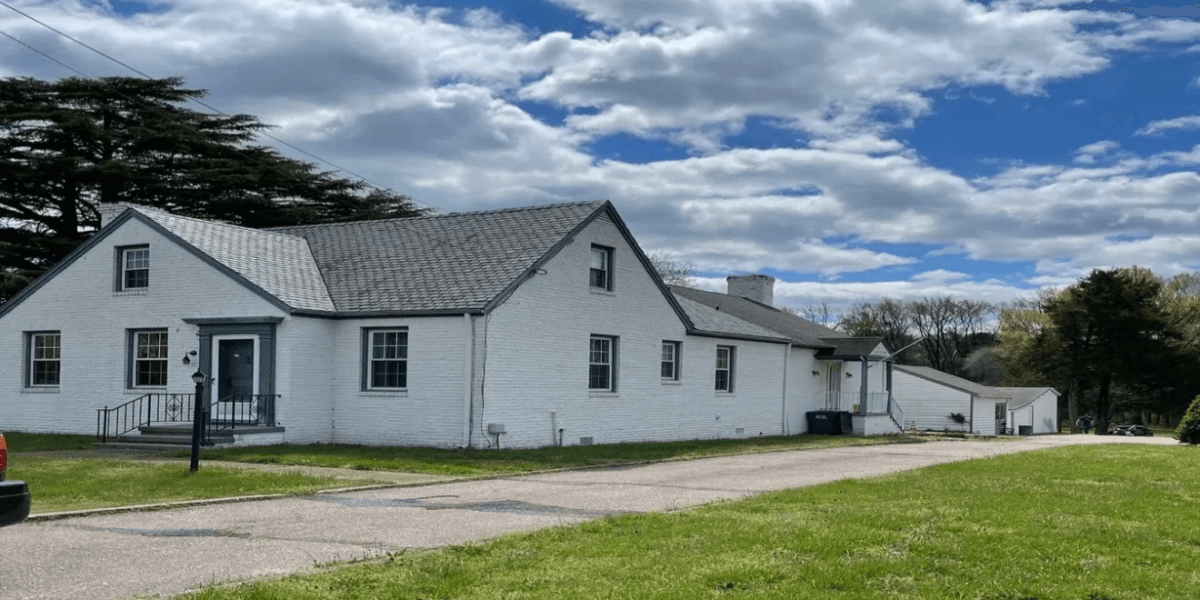
GreenhouseRVA is challenging Virginia to rethink recovery housing for medical cannabis patients.
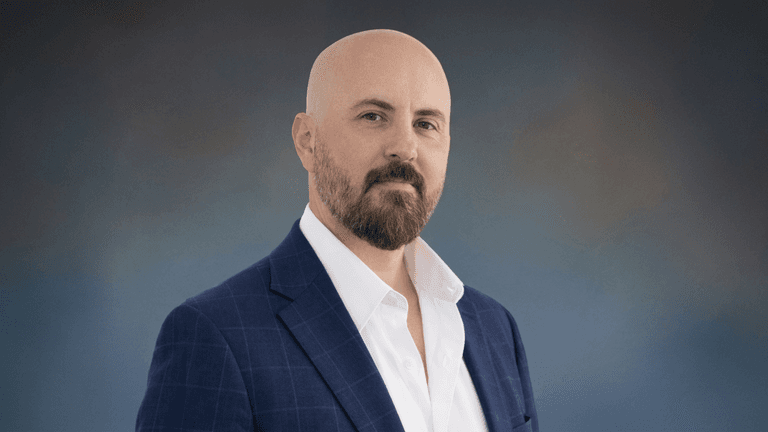
GreenhouseRVA, a structured recovery residence in Richmond, Virginia, had applied for accreditation and received a denial tied to one defining policy: the house allowed doctor-authorized medical cannabis under strict safeguards. For Owner and Operator Jeremy Tillem, the decision raised a question with human consequences. Could men in recovery keep stable housing while following a physician’s guidance, or would they be forced to choose one over the other? That question now sits at the center of the GreenhouseRVA cannabis-inclusive recovery story.
GreenhouseRVA Cannabis-Inclusive Recovery Began With A Gap
GreenhouseRVA opened on July 1, 2021. Tillem founded the house after seeing people pushed out of recovery housing because they used doctor-authorized cannabis, even when they were otherwise engaged in treatment, employment, probation requirements, or structured recovery work. “I saw people being exited and ending back up in places they were trying to escape from.”
The program was built as a structured residence for men who need stability, peer support, and clear expectations. GreenhouseRVA operates in Henrico County and serves residents who are sometimes referred by probation, local treatment providers, and families. Many are also participating in partial hospitalization programs or intensive outpatient programs. The house provides a daily framework that includes morning check-ins, weekly house meetings, curfews, chores, peer mentorship, random drug testing, and individualized recovery planning.
What makes GreenhouseRVA different is not the absence of rules. It is the presence of a policy that recognizes lawful medical cannabis authorizations while requiring accountability. Residents who use medical cannabis must follow safeguards, including quantity limits, secure storage, monitoring, and zero tolerance for diversion. The model does not ask the house to ignore risk. Instead, it asks whether risk is better addressed through structure than exclusion.
That distinction matters in a state where all recovery residences follow abstinence-only rules that prohibit all cannabis use, including doctor-authorized medical cannabis. For a resident who is working, attending treatment, complying with supervision, and rebuilding family trust, the loss of housing can destabilize every other part of life. GreenhouseRVA’s position is simple and deliberate. Stable housing should not disappear solely because a person is also a medical cannabis patient.
GreenhouseRVA Cannabis-Inclusive Recovery Meets Resistance
The conflict with the Virginia Association of Recovery Residences, known as VARR, brought that position into sharper public view. According to Tillem, VARR originally denied GreenhouseRVA’s accreditation application because of its medical cannabis policy, not because of issues with house structure, safety practices, or daily operations. For GreenhouseRVA, removing the language would have required residents to stop using authorized medical cannabis or leave the house.
Tillem refused to take that route. GreenhouseRVA contacted local senators, worked with a public relations team, and brought the issue into the open through op-eds in Marijuana Moment. The organization also pursued civil rights and housing-related complaints, arguing that medical cannabis patients should not be excluded from recovery housing solely because of a lawful authorization. The advocacy was framed as a demand for rules that reflect the lives of people already navigating courts, treatment systems, employment, and recovery.
“Virginia’s recovery system will only be stronger when it stops forcing people to choose between their medicine and a roof over their head,” Tillem said. The house is not asking recovery housing to abandon accountability. It is asking whether accountability can exist without blanket exclusion.
In practice, the answer has been tested for more than five years. GreenhouseRVA has continued operating with house rules, resident responsibilities, and clear consequences. It has placed emphasis on work readiness, including employment pathways in the trades. For many residents, trades work offers practical momentum: a schedule, income, skill development, and a path toward independence. Recovery housing becomes a bridge from crisis to responsibility.
The program has also produced ROOTED: A Medical Cannabis Path Through Recovery, a free guide written by Tillem. The guide reflects the same philosophy as the house. People need plain-language tools, realistic expectations, and a recovery path that does not treat housing as negotiable. For GreenhouseRVA, education and housing are linked. Residents and families need to understand the rules, the purpose behind them, and the stakes when housing is lost.
GreenhouseRVA Cannabis-Inclusive Recovery Looks Ahead
The turning point came when VARR sent an email indicating that GreenhouseRVA would be given a chance to participate and become accredited. According to Tillem, VARR is developing a framework around medical cannabis in recovery housing, with the framework expected by the first of the year. If finalized, that framework could position GreenhouseRVA to become Virginia’s first cannabis-inclusive recovery organization under an accreditation path.
That development is significant because it shifts the conversation from whether cannabis-inclusive recovery housing can exist to how it can be responsibly governed. A framework can create expectations around storage, documentation, testing, resident conduct, diversion prevention, staff procedures, and communication with referral sources. It can also give courts, probation officers, treatment providers, and families a clearer way to evaluate homes that serve medical cannabis patients.
For GreenhouseRVA, accreditation would mark a policy evolution for recovery housing in Virginia. The house has argued that medical cannabis patients need standards, not automatic exclusion. If the framework moves forward, other organizations may have a clearer path to serve residents who have been caught between medical authorization and housing access.
The story also points to a larger cultural challenge. Recovery housing has long relied on trust, peer accountability, and common standards. At the same time, laws and medical authorizations have changed. Programs now face residents whose lives do not fit neatly into older categories. Some are on probation. Some are in outpatient care. Some are rebuilding work histories. Some have medical cannabis authorizations. GreenhouseRVA sits at the intersection of those realities and asks systems to respond with more precision.
Tillem’s lived experience in long-term recovery gives the work its emotional center, but GreenhouseRVA is built around community, structure, and the belief that housing can reduce harm when paired with firm expectations. The house’s safeguards are central to its credibility. Its advocacy is tied to men who need a place to live while they do the difficult, daily work of becoming stable.
That is why GreenhouseRVA has become one of Virginia’s most visible cannabis-inclusive recovery residences. It has challenged a default rule, stayed operational through scrutiny, and pushed for a framework that could help the broader field adapt. The house’s message is that medical cannabis patients should not be erased from recovery housing policy.
For families, referral partners, and men seeking structured housing in Richmond, GreenhouseRVA offers a defined alternative: accountability, peer support, work-focused momentum, and a medical cannabis policy governed by safeguards. To learn how the program works or explore whether GreenhouseRVA is the right fit for a recovery housing referral, consider starting with the organization’s official resources and connecting directly with its team.
Explore More About GreenhouseRVA
Connect with GreenhouseRVA, Facebook, X, Marijuana Moment Op-Ed, and Medical Cannabis Housing Op-Ed.
Disclaimer:
This article is for informational purposes only and is not intended to promote, encourage, or provide professional advice related to cannabis use, addiction recovery, or recovery housing services. Always consult qualified healthcare professionals, addiction recovery specialists, or trusted legal authorities before making decisions related to medical cannabis use or recovery housing, especially when such decisions may have legal, medical, financial, or personal consequences. The author and publisher are not responsible for any losses, damages, or outcomes resulting from the use of or reliance on the information provided.

LA News Daily Contributor
This article features partner, contributor, or branded content from a third party. Members of the LA News Daily editorial staff were not involved in the creation of this content. All views and opinions are those of the contributor alone.