Los Angeles Unveils New Metro Rail Connector to Improve Regional Transit
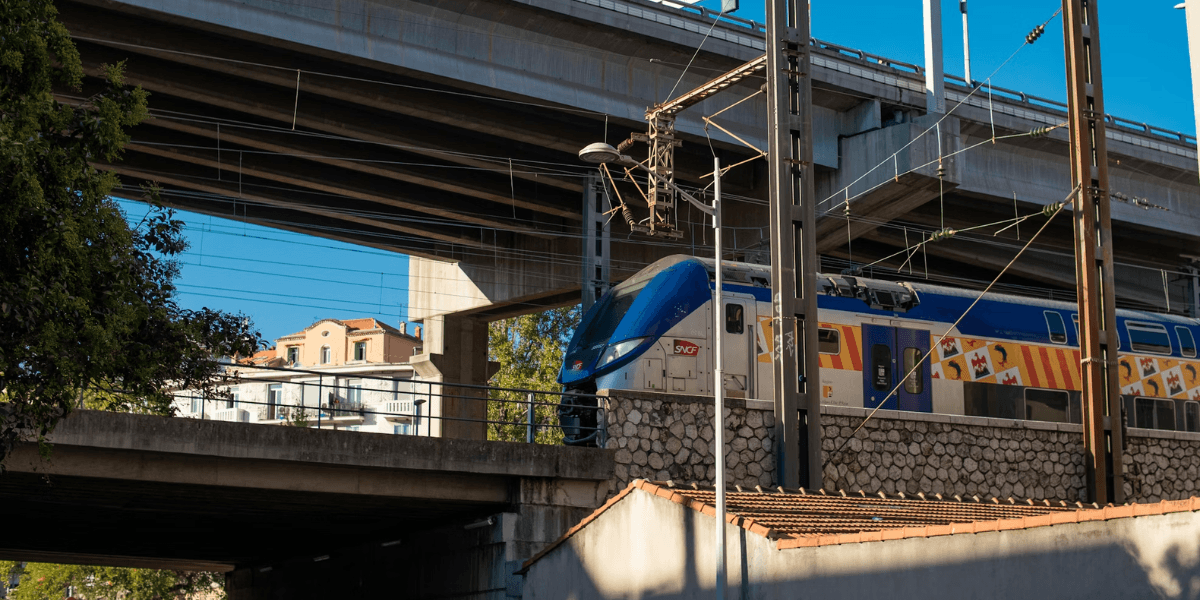
On April 9, 2026, Los Angeles marked a significant milestone in its ongoing transportation transformation with the official opening of a new Metro Rail Connector designed to improve connectivity across the city. The project, developed by the Los Angeles County Metropolitan Transportation Authority (Metro), aims to streamline travel between key neighborhoods while reducing traffic congestion on some of the region’s busiest corridors.
The newly launched connector links several existing rail lines through a continuous route running across central Los Angeles, allowing passengers to travel more efficiently without multiple transfers. Officials stated that the expansion is part of a broader effort to modernize public transit infrastructure ahead of major international events scheduled to take place in the city over the next few years.
The opening ceremony, held earlier today, brought together transportation leaders, city planners, and community representatives who emphasized the long-term benefits of the project. According to Metro officials, the connector is expected to significantly cut commute times for thousands of daily riders, particularly those traveling between downtown Los Angeles, the Westside, and surrounding neighborhoods.
One of the key features of the new rail connector is its integration with existing transit systems. By creating a seamless connection between multiple lines, the project reduces the need for transfers and minimizes delays often associated with switching routes. This improvement is expected to enhance overall rider experience and encourage more residents to consider public transportation as a viable alternative to driving.
In addition to improving mobility, the project also supports environmental goals. Transportation accounts for a substantial portion of greenhouse gas emissions in California, and city leaders have consistently emphasized the importance of reducing reliance on personal vehicles. By expanding rail access and improving efficiency, the connector is expected to contribute to lower emissions and better air quality across the region.
Metro reported that the project has been in development for several years, involving extensive planning, engineering, and community consultation. Construction included upgrades to existing tracks, the addition of new stations, and enhancements to safety systems. Officials noted that the project was completed with a focus on accessibility, ensuring that stations are equipped with features such as elevators, clear signage, and improved pedestrian access.
Local businesses and real estate stakeholders are also closely watching the impact of the new connector. Historically, expanded transit access has been linked to increased economic activity in surrounding areas. Improved connectivity can attract new businesses, support retail growth, and enhance property values in transit-adjacent neighborhoods. Analysts suggest that the connector could play a role in shaping future development patterns in Los Angeles, particularly in areas that have previously been less accessible by rail.
Community members expressed cautious optimism about the project. While many welcomed the improved transit options, some highlighted the importance of maintaining affordability and preventing displacement in neighborhoods experiencing growth. City officials acknowledged these concerns and reiterated ongoing efforts to balance development with community preservation through housing initiatives and planning policies.
From a commuter perspective, the connector offers immediate practical benefits. Riders can expect shorter travel times, more predictable schedules, and improved service frequency. Metro indicated that additional trains will be deployed along the new route during peak hours to accommodate increased demand. The agency also plans to monitor ridership patterns closely in the coming months to make further adjustments as needed.
The project’s completion reflects a broader shift in Los Angeles toward investing in sustainable and efficient infrastructure. Over the past decade, the city has expanded its rail network significantly, with multiple projects aimed at reducing congestion and improving urban mobility. The new connector builds on these efforts, reinforcing the role of public transit in shaping the future of the region.
Looking ahead, Metro officials emphasized that this is not the final step in the city’s transit evolution. Additional projects are already in development, including further line extensions and station upgrades. These initiatives are part of a long-term vision to create a more connected and accessible Los Angeles.
For residents and visitors alike, the opening of the Metro Rail Connector represents a meaningful improvement in how people move through the city. By enhancing connectivity, supporting environmental goals, and encouraging economic activity, the project underscores the importance of infrastructure investment in addressing the challenges of a growing urban population.

LA News Daily Contributor
This article features partner, contributor, or branded content from a third party. Members of the LA News Daily editorial staff were not involved in the creation of this content. All views and opinions are those of the contributor alone.
previous post
The Poetry of Goran Rahim: Love Across Worlds