Los Angeles Expands Adaptive Housing Initiative to Address Rising Demand
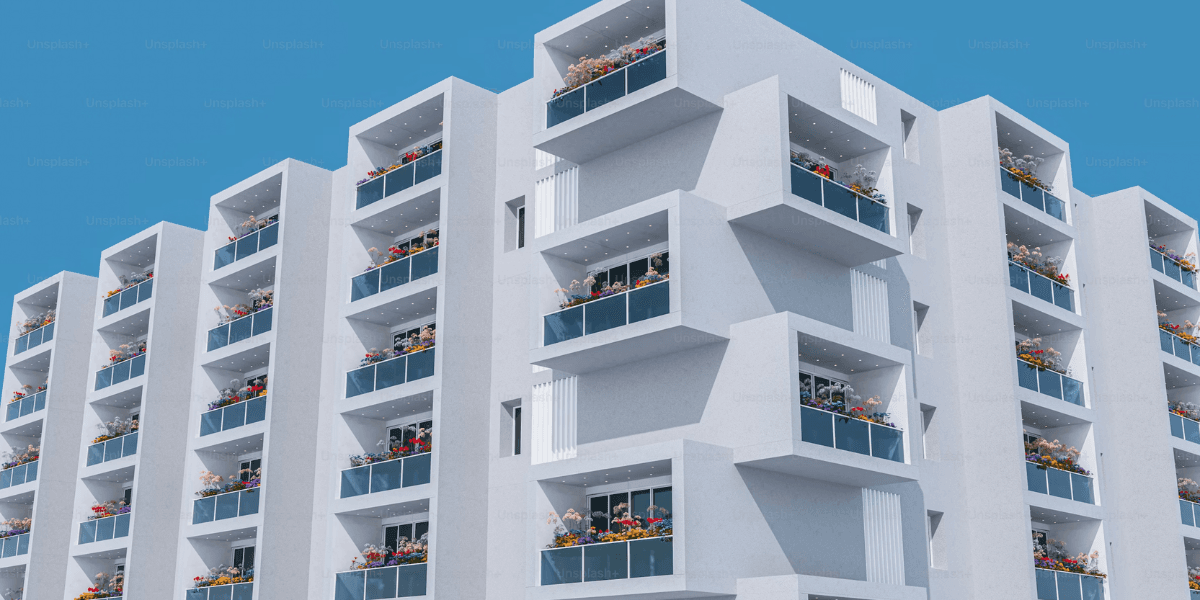
On April 7, 2026, officials in Los Angeles announced a major expansion of the city’s adaptive housing initiative, a program designed to convert underutilized commercial spaces into residential units. The move comes amid continued pressure on the local housing market, where demand has outpaced supply, contributing to rising costs and limited availability across several neighborhoods.
The initiative, first introduced in recent years to address housing shortages, focuses on repurposing vacant office buildings and retail properties into livable housing. City planners confirmed that the latest expansion will streamline approval processes, provide updated zoning flexibility, and introduce incentives for developers willing to participate in adaptive reuse projects.
According to city housing officials, the expansion is expected to accelerate the conversion of several aging commercial properties, particularly in downtown Los Angeles and surrounding districts. These areas have experienced higher vacancy rates in office spaces, partly due to long-term shifts in workplace trends. By transforming these buildings into residential units, the city aims to make more efficient use of existing infrastructure while reducing the need for new large-scale construction.
Urban development experts note that adaptive reuse has become an increasingly viable solution in major metropolitan areas facing similar challenges. The approach not only helps increase housing supply but also supports sustainability efforts by minimizing demolition waste and reducing the environmental impact associated with new construction projects.
The expanded initiative will also include updated design guidelines to ensure that converted spaces meet modern residential standards. This includes requirements for natural light, ventilation, and access to essential amenities. City officials emphasized that maintaining livability standards remains a priority as more buildings are adapted for residential use.
Local business groups have expressed cautious optimism about the program’s expansion. While some stakeholders welcome the revitalization of underused properties, others are closely monitoring how the changes may affect commercial activity in certain districts. Officials stated that the plan includes provisions to balance residential development with the preservation of key business corridors.
Housing advocates, meanwhile, have highlighted the potential impact of the initiative on affordability. By increasing the overall housing supply, the city hopes to ease some of the pressure on rental prices. However, experts note that the extent of this impact will depend on how many units are ultimately delivered and how they are priced.
In addition to regulatory adjustments, the city plans to offer financial incentives to encourage participation from private developers. These incentives may include tax benefits, reduced permit fees, and access to funding programs aimed at supporting housing development. Officials indicated that these measures are intended to make adaptive reuse projects more financially feasible, particularly in cases where building conversions present structural or logistical challenges.
Community organizations across Los Angeles have also been engaged in discussions about the initiative. Public input sessions held in recent months have provided residents with opportunities to share feedback on proposed projects and highlight local needs. City planners noted that community engagement will continue to play a key role as the initiative moves forward.
The expansion of the adaptive housing program reflects broader efforts by Los Angeles to address long-standing housing concerns through innovative solutions. As traditional development models face increasing constraints, adaptive reuse offers an alternative path that leverages existing resources while responding to changing urban dynamics.
Real estate analysts suggest that the initiative could influence development trends beyond Los Angeles. Other cities experiencing similar conditions may look to this approach as a model for balancing housing demand with economic and environmental considerations.
Looking ahead, city officials plan to monitor the progress of the expanded program through regular reporting and performance assessments. Key metrics will include the number of units created, project completion timelines, and overall impact on housing availability. These evaluations are expected to inform future policy adjustments and ensure that the initiative continues to align with the city’s long-term housing goals.
For residents and stakeholders, the expansion represents a significant step in addressing one of Los Angeles’ most pressing challenges. While the full effects will unfold over time, the initiative underscores a commitment to exploring practical and forward-thinking strategies to support the city’s growing population.

LA News Daily Contributor
This article features partner, contributor, or branded content from a third party. Members of the LA News Daily editorial staff were not involved in the creation of this content. All views and opinions are those of the contributor alone.
previous post
The Poetry of Goran Rahim: Love Across Worlds