Los Angeles Expands Extreme Heat Response as Summer Temperatures Continue
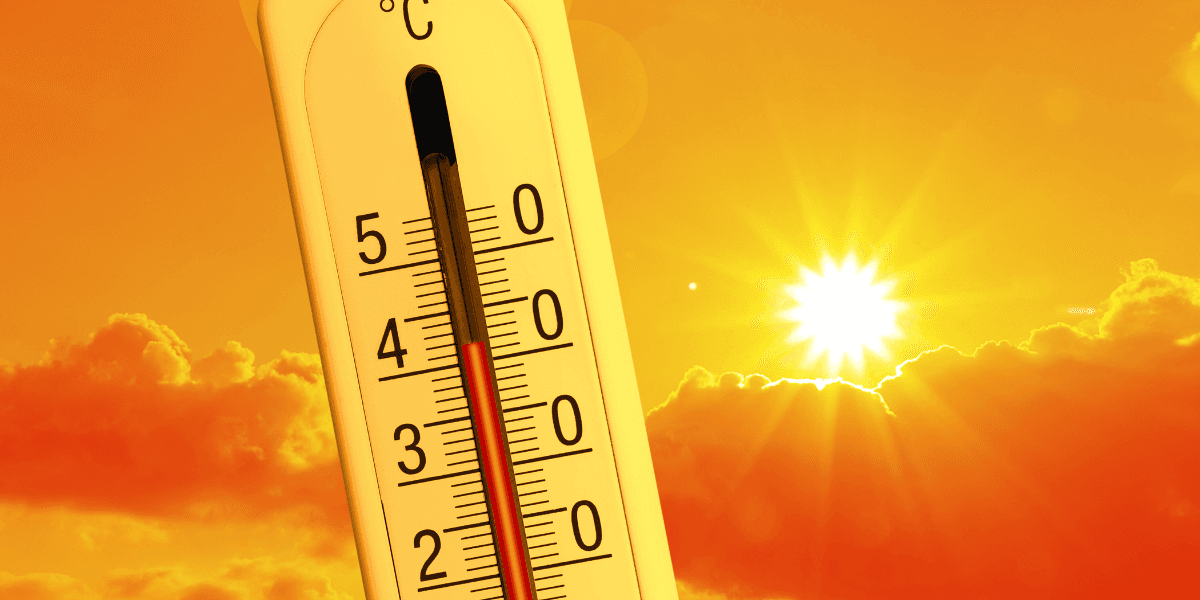
Los Angeles city and county agencies continued expanding heat preparedness efforts on July 30 as forecasters warned that elevated summer temperatures would persist across much of Southern California. Local officials encouraged residents to take precautions during periods of extreme heat while activating community resources designed to protect vulnerable populations, including older adults, young children, outdoor workers, and people experiencing homelessness.
The response reflects Los Angeles’ growing focus on climate resilience as prolonged periods of high temperatures become more common throughout the region. City departments, public health officials, and emergency management agencies have coordinated outreach efforts aimed at reducing heat-related illnesses while ensuring residents have access to cooling resources and updated weather information.
Cooling Centers Support Vulnerable Residents
As temperatures remained above seasonal averages in several parts of Los Angeles County, local governments continued operating and promoting cooling centers where residents can escape dangerous heat during the warmest hours of the day.
Libraries, recreation centers, and selected public facilities have become an important part of the city’s heat response strategy, providing air-conditioned spaces, drinking water, and information about additional community services.
Officials also encouraged residents to check on neighbors, relatives, and friends who may be at greater risk during extended periods of hot weather, particularly those living alone or without reliable air conditioning.
Public Health Remains a Priority
The Los Angeles County Department of Public Health has consistently emphasized that extreme heat can affect anyone but presents higher risks for certain groups.
Health officials recommend staying hydrated, limiting strenuous outdoor activities during peak afternoon hours, wearing lightweight clothing, and recognizing early signs of heat-related illness. Parents are also reminded never to leave children or pets inside parked vehicles, where temperatures can rise rapidly even on moderately warm days.
Local hospitals and emergency responders continue monitoring conditions while preparing for potential increases in heat-related medical calls during periods of sustained high temperatures.
Infrastructure Faces Seasonal Challenges
Extreme heat affects more than personal health. Transportation systems, power infrastructure, and public services often experience additional strain during prolonged heat events.
Utility providers encourage customers to conserve electricity during periods of high demand, particularly during late afternoon and early evening when energy consumption typically reaches its peak. Residents can help reduce strain on the electrical grid by adjusting thermostats, using major appliances during off-peak hours when practical, and improving household energy efficiency.
Transportation agencies also continue monitoring roads and rail infrastructure, as prolonged heat can affect pavement conditions and transit operations.
Climate Adaptation Continues Across Los Angeles
Heat preparedness has become an increasingly important part of long-term planning throughout Los Angeles.
City leaders continue investing in urban tree planting, park improvements, shade projects, cool pavement initiatives, and other strategies intended to reduce the urban heat island effect. These efforts aim to improve neighborhood resilience while creating more comfortable public spaces during the hottest months of the year.
Many of these projects are designed to provide long-term environmental and public health benefits while supporting communities that experience the highest summer temperatures.
Community Awareness Plays an Important Role
Emergency managers emphasize that public awareness remains one of the most effective tools for reducing heat-related risks.
Residents are encouraged to monitor local weather forecasts, understand available community resources, and prepare for periods of elevated temperatures before heat advisories are issued. Employers with outdoor workers are also reminded to promote hydration, rest breaks, and appropriate safety practices during hot weather.
Community organizations throughout Los Angeles continue partnering with local agencies to distribute water, provide wellness checks, and share information about available assistance programs.
Looking Ahead
With much of the summer still ahead, Los Angeles officials expect heat preparedness efforts to remain a priority throughout the season. Weather conditions can change quickly, and local agencies will continue monitoring forecasts while adjusting response measures as needed.
The events of July 30 underscore how extreme heat has become an increasingly significant public safety issue for Southern California. Through coordinated planning, public education, and continued investment in community resilience, Los Angeles aims to reduce the impacts of high temperatures while helping residents stay safe during one of the region’s warmest times of the year.

LA News Daily Contributor
This article features partner, contributor, or branded content from a third party. Members of the LA News Daily editorial staff were not involved in the creation of this content. All views and opinions are those of the contributor alone.