Los Angeles Auto Show Brings New Vehicle Designs and Automotive Innovation to Southern California
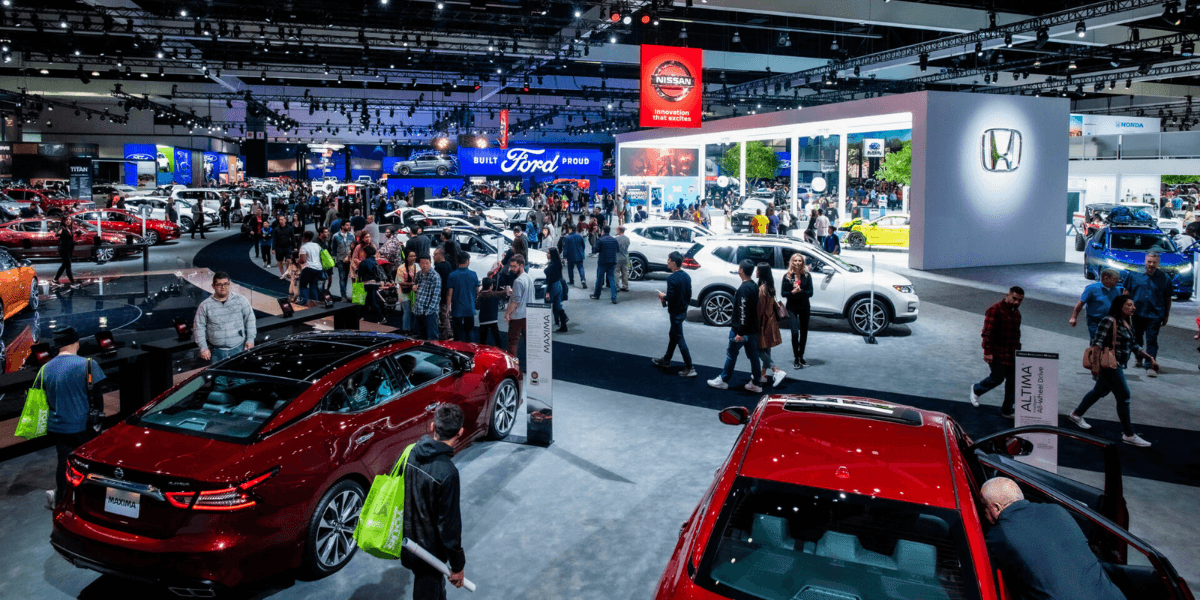
The 2026 Los Angeles Auto Show brings automakers, consumers and automotive technology together at the downtown convention center.
The Los Angeles Auto Show continued its annual showcase of automotive design, transportation technology, and new vehicle developments as thousands of visitors gathered at the Los Angeles Convention Center for the 2026 exhibition. Running through November 29, the event brings together established automotive manufacturers, emerging vehicle technologies, customized automobiles, and consumer experiences in one of Southern California's largest annual public exhibitions.
The show, which opened on November 20, provides consumers with an opportunity to examine new vehicle models and explore developments influencing the automotive market. Its timing also places the exhibition within the important holiday shopping period, when many households evaluate vehicle purchases and compare available transportation options.
A Longstanding Los Angeles Institution
Established in 1907, the Los Angeles Auto Show has developed into a longstanding fixture of the city's cultural and commercial calendar.
The 2026 exhibition occupies multiple halls of the Los Angeles Convention Center in downtown Los Angeles. Its program includes vehicles from nearly two dozen automotive brands, with displays covering gasoline-powered models, hybrids, plug-in hybrids, and electric vehicles.
The exhibition also includes concept vehicles, customized automobiles, classic cars, luxury models, and performance-focused displays.
Its location in Los Angeles gives the event particular significance. Southern California has a strong automotive culture, a substantial vehicle-buying market, and a large population of consumers interested in transportation design and emerging mobility technologies.
The exhibition connects those interests with the automotive industry's efforts to introduce new products and communicate changing vehicle technologies directly to consumers.
Multiple Powertrain Options Reflect a Changing Market
One of the central themes of the exhibition is the range of powertrain choices available to American consumers.
Electric vehicles continue to attract attention as manufacturers develop new battery technologies, charging systems, and vehicle platforms. However, the exhibition also reflects the continuing importance of gasoline-powered vehicles and the growing presence of hybrid models.
Hybrid vehicles combine conventional engines with electric propulsion systems, offering an alternative for consumers who want some electrification without relying entirely on charging infrastructure.
Plug-in hybrids provide another option by allowing drivers to charge a battery externally while retaining a conventional engine for longer journeys.
The variety of displayed vehicles reflects a market in which manufacturers are responding to different consumer preferences, driving requirements, price considerations, and infrastructure conditions.
For consumers, the ability to examine several powertrain technologies in one location provides an opportunity to compare vehicle interiors, available features, design approaches, and practical differences.
Consumer Experiences Extend Beyond Traditional Displays
The 2026 exhibition is designed to provide more than static vehicle presentations.
Visitors can explore hundreds of new models, examine customized and exotic vehicles, and participate in selected test-drive and adventure-ride experiences.
The Underground section highlights automotive customization and enthusiast culture, featuring specialized builds and vehicles that appeal to audiences interested in performance, design, and individual expression.
These displays broaden the event's appeal beyond traditional new-car shopping.
Families, automotive enthusiasts, prospective buyers, and visitors interested in vehicle technology can explore different aspects of the industry without requiring separate visits to dealerships or specialized exhibitions.
The event also reflects the continuing importance of in-person experiences in a market where online research has become a major part of the vehicle-buying process.
Digital platforms provide specifications, reviews, and pricing information, but physical exhibitions allow consumers to inspect vehicle dimensions, seating arrangements, materials, visibility, and other details that can influence purchasing decisions.
Los Angeles as an Automotive Market
The city's position as one of the country's major vehicle markets makes the exhibition relevant to manufacturers seeking direct exposure to consumers.
Los Angeles and surrounding communities include a wide range of vehicle users, from commuters and families to businesses, collectors, and transportation enthusiasts.
The region's varied geography and driving patterns also create different vehicle requirements. Urban residents may prioritize compact dimensions and parking convenience, while households in suburban areas may place greater emphasis on passenger capacity, cargo space, and longer-distance comfort.
The presence of electric and hybrid vehicles at the exhibition also reflects the continuing evolution of transportation choices across California.
Manufacturers must consider consumer demand, charging access, vehicle affordability, and changing expectations regarding efficiency and technology when developing products for the region.
The show provides a public setting where those developments can be observed and compared.
Industry Connections and Automotive Innovation
The public exhibition follows AutoMobility LA, the industry's media and professional gathering held at the convention center on November 19.
The industry program brings together automotive companies, technology organizations, journalists, and other participants involved in mobility development.
Its focus includes innovation, partnerships, transportation technology, and the convergence of vehicles with digital systems.
The distinction between the industry program and public exhibition demonstrates the show's broader role. It serves both as a consumer event and as a meeting point for organizations involved in the automotive business.
As vehicles incorporate more software, connected services, driver-assistance systems, and advanced electronics, automotive innovation increasingly extends beyond traditional mechanical engineering.
Manufacturers must coordinate vehicle design with computing systems, sensors, connectivity, manufacturing processes, and customer support.
These developments are changing how vehicles are designed, marketed, maintained, and experienced.
An Important Seasonal Event for Southern California
The exhibition also contributes to downtown Los Angeles activity during the holiday season.
Large public events bring visitors to the convention center and nearby businesses, including hotels, restaurants, entertainment venues, and retail establishments.
The show's extended schedule gives residents and visitors several opportunities to attend while exploring the surrounding downtown area.
Its continuation through November 29 places it among the region's major Thanksgiving-week attractions.
For the automotive industry, the exhibition offers an opportunity to communicate product developments directly to a large consumer audience. For visitors, it provides a concentrated view of the choices and technologies shaping the next generation of vehicles.
The 2026 Los Angeles Auto Show demonstrates how a longstanding Southern California institution continues to adapt to an automotive market defined by multiple powertrain technologies, evolving consumer expectations, and increasing connections between transportation and digital innovation.

LA News Daily Contributor
This article features partner, contributor, or branded content from a third party. Members of the LA News Daily editorial staff were not involved in the creation of this content. All views and opinions are those of the contributor alone.