Downtown Los Angeles Landmark The Bloc Returns to Market as Office Property Values Face Scrutiny
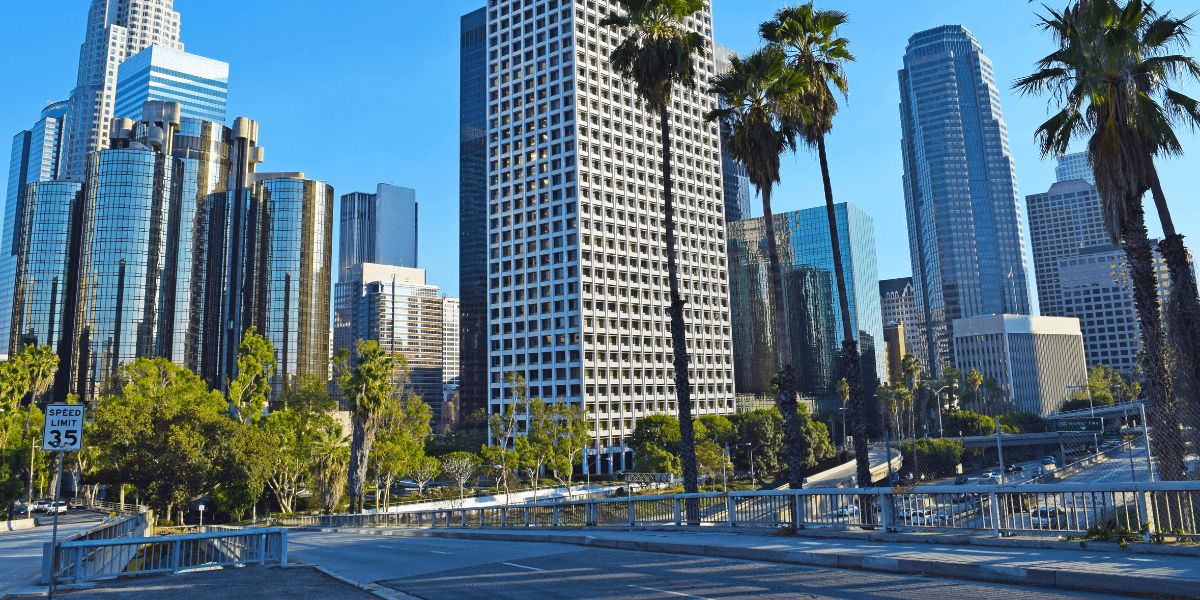
The proposed sale of a major mixed-use complex offers a window into changing conditions in downtown Los Angeles commercial real estate.
The Bloc, a major mixed-use commercial complex in downtown Los Angeles, has returned to the market as property owners and investors reassess the value of office buildings and retail developments in the city's central business district.
The complex occupies a prominent block near Seventh and Flower streets and combines office space, retail, dining, parking and a hotel. Its potential sale places a recognizable downtown property at the center of a broader question facing commercial real estate: how much are investors willing to pay for large urban developments as office demand and retail activity continue to evolve?
The Los Angeles Times reported on October 7 that the property was being offered for sale amid signs of renewed transactions in downtown's commercial property market. A separate report from L.A. Business First on October 9 described the office and retail campus as a 1.4-million-square-foot complex, with an asking price of approximately $160 million.
A Mixed-Use Property With Multiple Revenue Sources
The Bloc's combination of office, retail and hospitality uses distinguishes it from a conventional single-purpose office tower. The property includes a 33-story office building, a hotel and a shopping and dining center, providing several potential sources of commercial activity.
The office component measures approximately 730,000 square feet, while retail and dining occupy about 420,000 square feet. The development also includes a parking structure with roughly 2,000 spaces, according to L.A. Business First.
Reported leasing figures indicated that the office component was approximately 70% occupied under leases, while retail occupancy approached 90% when the vacant former Macy's space was excluded. Tenants have included Uniqlo, Alamo Drafthouse and UCLA Health.
Those figures illustrate why a buyer would need to evaluate the property's different uses separately. Office tenants, retailers, restaurants and hospitality operators respond to different market conditions, lease structures and operating costs.
Downtown Office Market Under Pressure
Commercial real estate values depend on income, occupancy, financing costs and expectations about future demand. In downtown Los Angeles, investors have been assessing office properties amid changes in workplace arrangements and the continuing adjustment of urban business districts.
Lower transaction prices can help establish new benchmarks for property valuations. They can also create difficulties for owners whose acquisition costs, outstanding loans or renovation spending were based on higher valuations.
For prospective buyers, a sale can provide an opportunity to acquire an established property at a price that reflects current conditions. However, the purchase price is only one part of the calculation. Buyers must also consider operating expenses, leasing costs, future capital improvements and the time required to fill vacant space.
The Bloc's mix of uses may provide flexibility, but it does not eliminate the challenges of maintaining an older commercial complex in a changing market.
Redevelopment and the Future of Downtown
The property's history reflects several stages in downtown Los Angeles's commercial evolution. Originally associated with the former Macy's Plaza, the complex underwent substantial changes in the mid-2010s, including the transformation of its central retail area into an open-air environment.
Such redevelopment strategies aim to make downtown destinations more accessible to pedestrians and more attractive to people visiting for dining, shopping, work or entertainment. Their success depends on more than the physical design of a building. Nearby employment, public transportation, safety, street activity and the strength of surrounding businesses all contribute to the performance of an urban commercial center.
The Bloc's proximity to the Seventh Street/Metro Center transit hub gives it an important connection to regional transportation. That location can be valuable to office workers and visitors, although accessibility alone cannot guarantee strong occupancy or profitability.
The property's reported development entitlements for additional residential units also raise questions about how downtown sites might evolve as demand changes. Any future conversion or redevelopment would depend on ownership decisions, project economics, regulatory requirements and market conditions.
What the Sale Could Signal
A major property's return to the market does not by itself establish that downtown's office market has recovered. Instead, the transaction process may provide additional information about what buyers are prepared to pay and how lenders assess commercial real estate risk.
Investors will be watching the relationship between asking prices and final offers, the condition of leases, and the costs required to sustain the property. For downtown businesses and neighboring property owners, the outcome could offer another reference point for evaluating local commercial real estate.
The Bloc remains significant because it brings together several central elements of the downtown economy: office employment, retail, dining, hospitality and transportation access. Its proposed sale provides a concrete example of how owners and investors are navigating a commercial property market still adjusting to new demands and financial conditions.

LA News Daily Contributor
This article features partner, contributor, or branded content from a third party. Members of the LA News Daily editorial staff were not involved in the creation of this content. All views and opinions are those of the contributor alone.