Los Angeles Welcomes Thousands as FIFA World Cup Matchday Transforms Transit, Businesses, and Downtown
This day proved to be one of the most active days so far for Los Angeles as the city continued embracing its role as a host of the FIFA World Cup 2026. From early morning through late evening, thousands of soccer supporters from across the United States and around the world traveled through Union Station, Metro rail lines, and downtown fan zones before making their way to matches at SoFi Stadium in Inglewood.
While attention remained fixed on the action on the pitch, another story unfolded across Los Angeles: a city putting years of planning into action. Transportation agencies, public safety officials, local businesses, and community organizations worked together to accommodate the influx of visitors during one of the largest sporting events ever hosted in Southern California.
For many residents, the World Cup represented more than a global sporting tournament. It became a large-scale test of Los Angeles’ transportation infrastructure, hospitality industry, and ability to host international events just two years before the city welcomes athletes and visitors for the 2028 Summer Olympics.
Union Station Emerges as the City’s Transportation Hub
Throughout Friday, Union Station served as the heart of World Cup operations in Los Angeles.
Instead of driving directly to the stadium, thousands of fans boarded Metro-operated shuttle buses connecting downtown with SoFi Stadium. Transit ambassadors were stationed throughout the historic terminal to answer questions, assist international visitors, and direct passengers toward dedicated boarding areas.
Metro also established hydration stations, accessibility services, and quiet areas designed for travelers who needed assistance navigating the busy transportation hub.
“We’ve had folks come in who are overwhelmed by all the sounds and the activity happening at the station,” Metro accessibility manager Armando Roman said during the tournament. “We’ve also had folks who have come in and used it to pray, we’ve also had folks come in and breast-feed, all types of different reasons.”
Officials said the emphasis on customer service has become just as important as moving large numbers of passengers efficiently.
Public Transit Gains Momentum
Los Angeles has long been known as a car-oriented city, but the World Cup is encouraging many visitors—and even local residents—to consider public transportation as an alternative.
Metro’s dedicated World Cup service has reduced congestion near SoFi Stadium while providing visitors with a predictable and affordable way to reach matches. Round-trip shuttle fares have made transit an attractive option compared with parking costs near the venue.
Transit officials reported strong ridership throughout the tournament, with tens of thousands of passengers choosing buses and trains on match days. The success has fueled optimism that some visitors may continue using public transportation even after the tournament concludes.
Urban planning experts say the event offers an opportunity to demonstrate how expanded transit options can support future large-scale events, including the Olympic Games.
Downtown Businesses Experience Increased Activity
The tournament has also generated noticeable economic activity throughout downtown Los Angeles.
Restaurants surrounding Union Station welcomed supporters arriving hours before kickoff, while coffee shops, convenience stores, and retail businesses benefited from increased foot traffic throughout the day.
Hotels continued accommodating international visitors traveling between World Cup host cities, with many guests extending their stays to explore attractions across Los Angeles County.
Business owners said the steady flow of visitors has created opportunities extending beyond sports tourism.
Many travelers have spent additional time visiting neighborhoods including Little Tokyo, Chinatown, the Arts District, and historic Olvera Street before returning to transportation hubs after the matches.
Economic analysts have projected that the World Cup could generate hundreds of millions of dollars in economic activity for Los Angeles through visitor spending on accommodations, dining, transportation, entertainment, and retail purchases.
Preparing for Future Global Events
City leaders have repeatedly described the World Cup as an important milestone in Los Angeles’ preparation for hosting future international events.
The operational lessons learned throughout June are expected to influence planning for the 2028 Olympic and Paralympic Games, which will again place the city’s transportation systems, public services, and tourism industry under global scrutiny.
Transportation planners are closely monitoring passenger flows, station operations, shuttle performance, and visitor feedback throughout the tournament.
Each successful match day provides valuable data that can be applied to future planning efforts.
Hospitality organizations are also evaluating visitor experiences to identify ways local businesses can better serve international guests during upcoming global events.
Community Spirit on Display
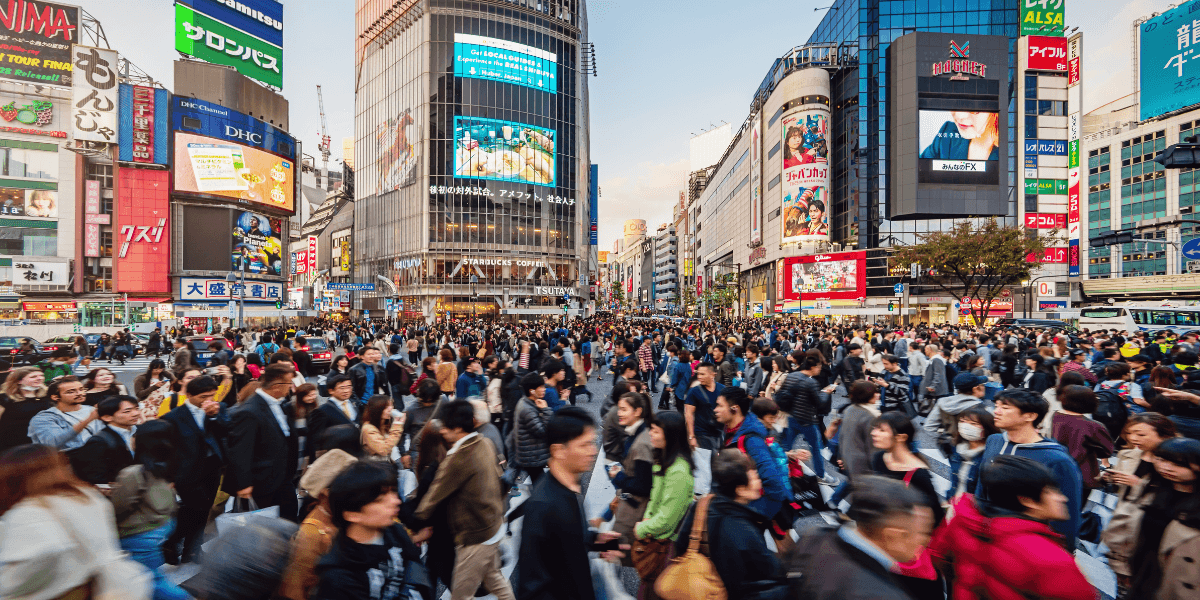
Beyond logistics, June 19 highlighted the cultural diversity that defines Los Angeles.
Supporters wearing national team jerseys gathered peacefully throughout downtown, creating a festive atmosphere that reflected the city’s multicultural character. Families, residents, and tourists shared public spaces while local musicians, food vendors, and community organizations contributed to the celebration surrounding the tournament.
Many visitors remarked on the welcoming environment created by volunteers and city staff, noting that their experience extended well beyond the ninety minutes of football played inside the stadium.
For longtime Angelenos, the event offered a preview of the international spotlight the city will once again experience over the next several years.
As the FIFA World Cup continues, Los Angeles is demonstrating that hosting a global sporting event involves far more than preparing a stadium. It requires coordinated transportation, responsive public services, thriving local businesses, and a community ready to welcome the world. Judging by the activity across the city on June 19, Los Angeles has embraced that challenge with confidence while laying important groundwork for the international events still to come.

LA News Daily Contributor
This article features partner, contributor, or branded content from a third party. Members of the LA News Daily editorial staff were not involved in the creation of this content. All views and opinions are those of the contributor alone.
previous post
The Poetry of Goran Rahim: Love Across Worlds