Los Angeles Sees Major Participation in Nationwide May Day Economic Blackout
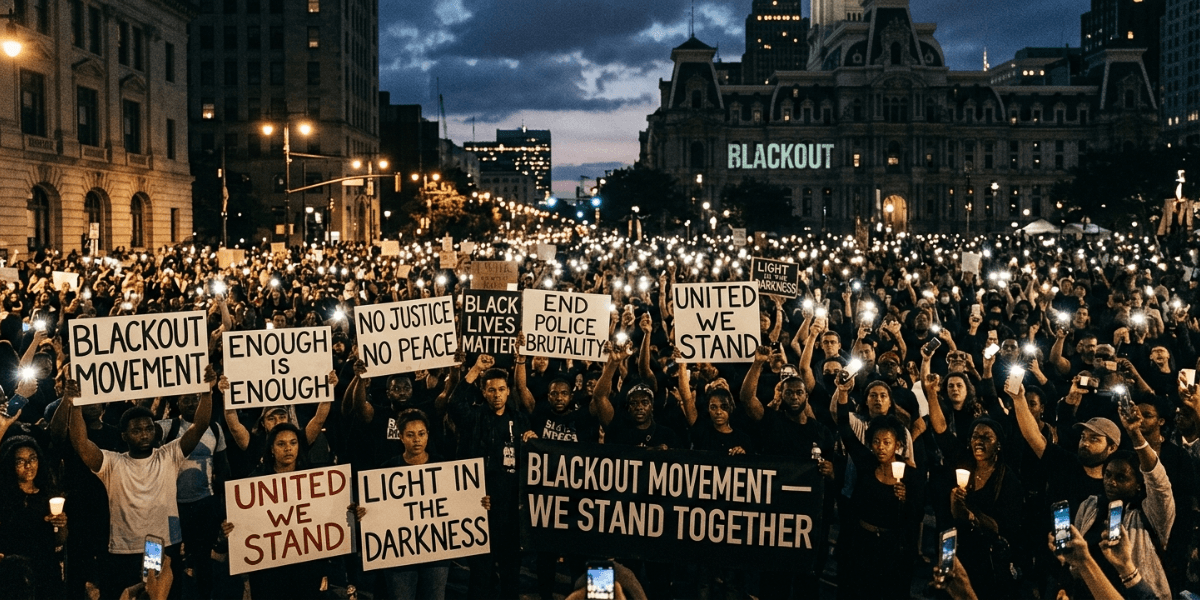
Los Angeles emerged as a central hub of activity during the nationwide May Day economic blackout on May 1, 2026, as thousands of residents, workers, and community groups took part in coordinated demonstrations across the city. The event, aligned with International Workers’ Day, brought attention to evolving workforce concerns while highlighting the role of collective action in one of the country’s largest metropolitan economies.
The movement, widely referred to as “May Day Strong,” unfolded across multiple neighborhoods in Los Angeles, including Downtown L.A., Hollywood, and parts of the San Fernando Valley. Organized marches, community gatherings, and reduced economic activity marked the day, with participants choosing to step away from work and limit spending as part of a broader national effort.
Citywide Participation and Local Impact
In Los Angeles, the scale of participation was particularly notable given the city’s diverse workforce and economic footprint. Demonstrations in Downtown Los Angeles drew large crowds, with participants assembling near civic and commercial centers. Community organizations, labor groups, and independent workers joined together to amplify shared concerns related to cost of living, wage sustainability, and access to stable employment opportunities.
Local businesses experienced mixed effects throughout the day. Some retail establishments and restaurants reported a visible decline in customer traffic, particularly in high-footfall areas. Meanwhile, certain workplaces saw reduced staffing levels as employees chose to participate in the blackout or attend local events. While the overall economic impact remains under evaluation, the temporary slowdown offered a clear indication of how coordinated participation can influence daily commercial activity.
Public transportation systems continued to operate normally, though transit authorities noted increased usage near demonstration areas during peak gathering times. City officials monitored events to ensure public safety, and most gatherings remained orderly and peaceful.
Workforce Concerns in Focus
Participants in Los Angeles echoed many of the themes seen nationwide, with a strong emphasis on affordability and economic stability. The rising cost of housing, a long-standing issue in the Los Angeles area, was a recurring topic among demonstrators. Many attendees highlighted the challenges of balancing living expenses with wage growth, particularly in industries heavily represented in the region such as entertainment, hospitality, and service sectors.
In addition to economic concerns, the demonstrations reflected a broader shift in how workers view their roles within organizations. Increasingly, employees are seeking greater flexibility, improved working conditions, and a stronger sense of purpose in their professional lives. The May Day blackout provided a platform for expressing these expectations in a unified and visible manner.
A Modern Approach to Collective Action
What distinguishes the 2026 May Day event is its strategic approach. Rather than focusing solely on traditional protest methods, the economic blackout emphasized participation through everyday decisions, specifically, choosing not to work or spend. This model allowed individuals to contribute regardless of their location or ability to attend in-person events.
In Los Angeles, digital platforms played a significant role in organizing and promoting participation. Community leaders and organizers used social media and messaging tools to coordinate gatherings, share updates, and encourage involvement. This decentralized approach enabled widespread engagement across the city’s geographically expansive landscape.
For local businesses and organizational leaders, the event underscores the importance of understanding workforce sentiment. The ability of a loosely coordinated movement to generate measurable changes in economic activity highlights the interconnected relationship between employees, consumers, and businesses.
Broader Significance for Los Angeles
The May 1 blackout also holds broader implications for Los Angeles as a major economic and cultural center. As a city driven by industries that rely heavily on both creative talent and service labor, shifts in workforce expectations can have wide-ranging effects. Events like the May Day demonstrations provide insight into emerging trends that may influence hiring practices, workplace policies, and long-term economic planning.
Additionally, the strong turnout in Los Angeles reflects the city’s historical role as a center for labor organization and civic engagement. From past labor movements to present-day advocacy efforts, the city continues to serve as a focal point for discussions about work, equity, and opportunity.
Key Takeaways for the Community
For residents and business leaders alike, the May Day economic blackout offers several important takeaways. First, it highlights the growing importance of addressing affordability and quality-of-life concerns in one of the nation’s most expensive urban areas. Second, it demonstrates the potential impact of collective action, even when organized outside traditional institutional structures.
Finally, the event emphasizes the need for ongoing dialogue between workers, employers, and community stakeholders. As Los Angeles continues to evolve, fostering open communication and adaptable strategies will be essential in responding to the changing needs of its workforce.
While the full effects of the May 1 demonstrations are still being assessed, the event has already made a lasting impression on the city’s economic and social landscape. It serves as a reminder that in a dynamic urban environment like Los Angeles, the voices and actions of its residents remain a powerful force in shaping the future.

LA News Daily Contributor
This article features partner, contributor, or branded content from a third party. Members of the LA News Daily editorial staff were not involved in the creation of this content. All views and opinions are those of the contributor alone.