Los Angeles Public Transportation Sees Major Upgrades as City Aims for Cleaner, Faster Commutes
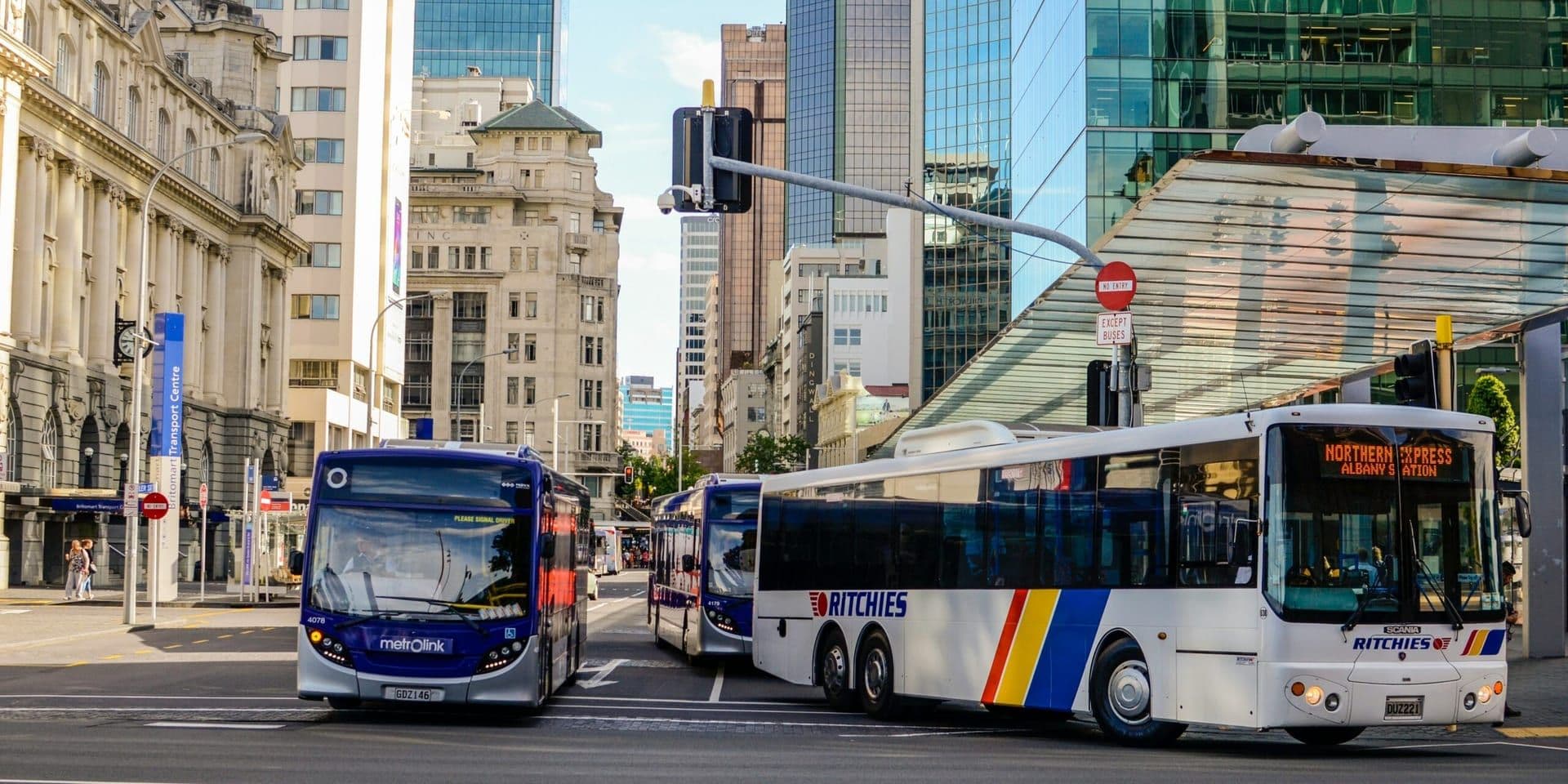
Los Angeles — In a landmark initiative to transform its public transportation system, the City of Los Angeles has unveiled a series of major upgrades aimed at reducing traffic congestion, lowering carbon emissions, and improving commuter experiences. These developments come as part of the city’s ongoing commitment to sustainability and urban mobility, with the goal of making public transit a preferred option for millions of Angelenos.
Comprehensive Expansion of Metro Rail and Bus Services
The Los Angeles County Metropolitan Transportation Authority (Metro) has announced the completion of key expansions to its Metro Rail network, including the opening of new light rail lines connecting underserved neighborhoods to major employment centers.
The recently completed K Line Extension now links South Los Angeles to the Expo Line, providing faster access to downtown and Santa Monica. Additional expansions are underway, with the Eastside Gold Line extension expected to open by late 2025, improving connectivity to East Los Angeles communities.
On the bus front, Metro has increased the frequency of key routes, introduced new electric buses, and expanded bus rapid transit (BRT) corridors to reduce travel times on busy streets.
Embracing Clean Energy and Sustainability
As part of its environmental agenda, Metro has committed to transitioning its entire fleet to zero-emission vehicles by 2030. The introduction of new electric and hydrogen fuel cell buses aims to reduce the agency’s carbon footprint significantly.
To support this transition, the city has invested in charging infrastructure and maintenance facilities equipped to handle alternative fuel technologies.
In tandem, Metro’s sustainability programs include solar-powered transit centers, energy-efficient lighting, and initiatives to increase recycling and waste reduction.
Enhancing Rider Experience Through Technology
Metro is also rolling out technological improvements to enhance the rider experience. This includes upgraded real-time tracking apps, contactless fare payment systems, and interactive digital kiosks providing route information and alerts.
Security measures have been bolstered with expanded surveillance systems and increased transit police presence to ensure passenger safety.
Community feedback mechanisms have been strengthened, allowing riders to report issues and provide suggestions through mobile platforms.
Addressing Equity and Accessibility
Equity remains a central focus of the upgrades, with targeted investments in historically underserved neighborhoods. The goal is to bridge transit gaps that disproportionately affect low-income and minority communities.
Accessibility improvements include new elevators and ramps at stations, audible announcements, and expanded services for riders with disabilities.
Partnerships with community organizations aim to raise awareness about transit options and gather input on service improvements.
Economic and Social Benefits
Improved public transportation is expected to stimulate economic growth by enhancing access to jobs, education, and services. Reduced reliance on personal vehicles can ease traffic congestion, shorten commute times, and improve air quality.
Local businesses benefit from increased foot traffic near transit hubs, while residents gain from reduced transportation costs.
Public Reception and Future Plans
Public response to the upgrades has been largely positive, with many riders appreciating increased reliability and comfort. Some advocates call for even faster implementation and further expansions to meet the city’s growing population.
Looking ahead, Metro is exploring innovative concepts such as on-demand shuttle services, integration with bike-sharing programs, and expansion of micro-mobility options.
The city’s comprehensive transportation plan envisions a future where clean, efficient public transit plays a pivotal role in shaping a sustainable, connected Los Angeles.

LA News Daily Contributor
This article features partner, contributor, or branded content from a third party. Members of the LA News Daily editorial staff were not involved in the creation of this content. All views and opinions are those of the contributor alone.