Los Angeles Museums and Cultural Institutions Welcome Surge of International Visitors During World Cup
Los Angeles’ world-renowned museums and cultural institutions are experiencing a noticeable increase in attendance as international visitors take advantage of the FIFA World Cup to explore the city’s rich arts and history scene. While football remains the primary reason many travelers have come to Southern California, local cultural destinations have emerged as significant beneficiaries of the influx of tourism.
Museum officials, tourism leaders, and hospitality professionals say many visitors are extending their stays beyond match days, creating opportunities to discover the city’s extensive collection of galleries, historic landmarks, public art, and cultural neighborhoods. The trend has reinforced Los Angeles’ reputation as a destination that offers far more than major sporting events.
The combination of summer vacation travel and the World Cup has created one of the busiest periods of the year for many attractions, with families, international tourists, and local residents filling museums and cultural venues across the region.
Major Museums Experience Increased Attendance
Several of Los Angeles’ most recognizable museums have welcomed larger crowds as visitors incorporate cultural attractions into their travel itineraries.
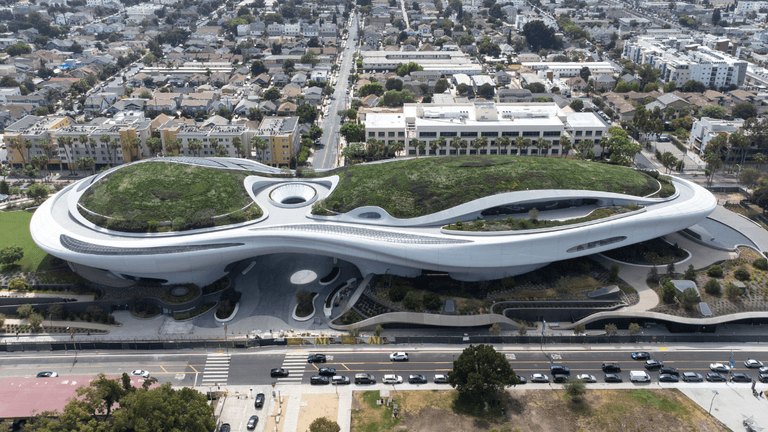
The Getty Center, the Academy Museum of Motion Pictures, the Natural History Museum of Los Angeles County, The Broad, and the Los Angeles County Museum of Art have all remained popular destinations for travelers seeking experiences beyond the football stadium.
Museum educators say many guests have expressed interest in learning more about Southern California’s history, architecture, film industry, and artistic heritage while visiting the city.
Extended summer programming, guided tours, and family-focused exhibitions have helped accommodate the seasonal increase in attendance, providing visitors with a broad range of educational and cultural experiences.
Neighborhood Arts Districts Continue to Thrive
The increased tourism has also benefited Los Angeles’ creative neighborhoods.
The Arts District in Downtown Los Angeles has continued attracting visitors interested in galleries, public murals, independent cafés, and locally owned businesses. Nearby Little Tokyo has welcomed guests exploring both its cultural landmarks and dining scene, while Hollywood continues drawing film enthusiasts from around the world.
Community arts organizations have organized performances, exhibitions, and cultural events that coincide with the heightened visitor activity, allowing travelers to experience the city’s creative communities firsthand.
Local artists say the international attention has created valuable opportunities to introduce their work to audiences from countries they might not otherwise reach.
The growing interest in neighborhood cultural experiences reflects broader travel trends, with many visitors seeking authentic local destinations instead of limiting their itineraries to traditional tourist attractions.
Public Art Becomes a Popular Attraction
Los Angeles’ extensive collection of public art has also become part of many visitors’ sightseeing plans.
From murals celebrating the city’s multicultural communities to contemporary sculptures located throughout civic spaces, public artworks have encouraged travelers to explore neighborhoods on foot while learning about local history and culture.
Walking tours featuring public art have reported steady participation as visitors seek experiences that combine architecture, history, and community storytelling.
Arts advocates believe these experiences contribute to a deeper understanding of Los Angeles by highlighting the creativity and diversity that define many of its neighborhoods.
Unlike traditional museum visits, public art allows residents and tourists alike to engage with creative works throughout the city without entering formal cultural institutions.
Restaurants and Cultural Experiences Go Hand in Hand
Many visitors have paired museum visits with stops at nearby restaurants, coffee shops, bookstores, and specialty retailers.
Neighborhoods surrounding major cultural institutions have experienced increased activity as travelers spend entire afternoons exploring local businesses after visiting museums or galleries.
Business owners say this pattern benefits a wide range of independent establishments that might otherwise receive less attention from visitors focused solely on sporting events.
Tourism specialists note that cultural tourism often generates longer visits and broader economic activity because travelers tend to spend additional time discovering nearby attractions.
The combination of arts, dining, shopping, and entertainment has strengthened Los Angeles’ appeal as a destination where multiple experiences can be enjoyed within the same neighborhood.
Strengthening Los Angeles’ Global Reputation
City tourism leaders believe the current increase in cultural visitation may have lasting benefits beyond the World Cup.
Positive experiences at museums, galleries, theaters, and cultural districts encourage visitors to view Los Angeles as more than a gateway to Hollywood or major sporting events. Instead, they discover a city defined by diverse communities, internationally recognized institutions, and a vibrant creative economy.
This expanded perception supports long-term tourism goals by encouraging repeat visits centered on arts, education, and cultural exploration.
Local organizations have continued collaborating with tourism agencies to promote neighborhoods that reflect the city’s artistic and cultural identity, helping distribute visitors across a broader range of destinations.
Looking Ahead
With additional international visitors expected throughout the remainder of the tournament, Los Angeles’ museums and cultural institutions anticipate continued strong attendance during the summer season.
Cultural leaders believe the World Cup has provided an important opportunity to introduce millions of visitors to the city’s artistic heritage while strengthening partnerships among museums, neighborhood organizations, and local businesses.
As Los Angeles prepares for future global events, the continued success of its cultural institutions demonstrates that the city’s greatest attractions extend well beyond sports. Its museums, galleries, public art, and creative neighborhoods remain central to the experiences that leave lasting impressions on visitors from around the world, reinforcing Los Angeles’ standing as one of the world’s leading cultural capitals.

LA News Daily Contributor
This article features partner, contributor, or branded content from a third party. Members of the LA News Daily editorial staff were not involved in the creation of this content. All views and opinions are those of the contributor alone.
previous post
The Poetry of Goran Rahim: Love Across Worlds