Los Angeles Expands Downtown Redevelopment Efforts as Mixed-Use Projects Gain Momentum
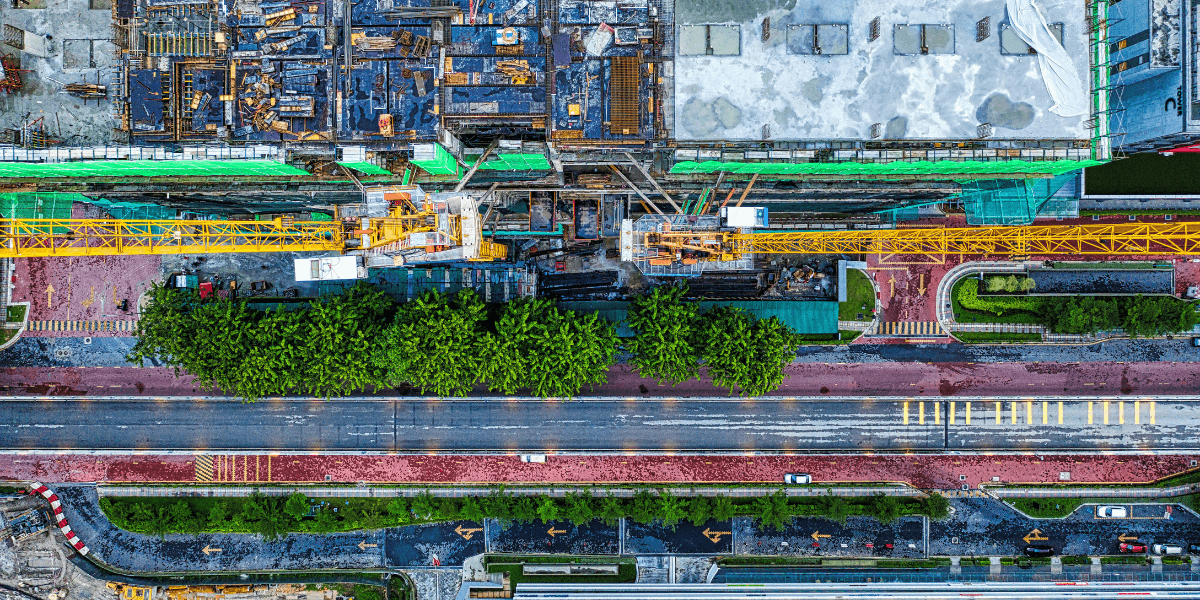
Los Angeles officials and commercial developers announced major progress Thursday on a series of mixed-use redevelopment initiatives designed to reshape several downtown districts as the city continues adapting to changing real estate trends and post-pandemic urban development challenges.
The projects, discussed during planning updates and industry briefings on May 22, include new residential towers, retail centers, office conversions, public transit improvements, and pedestrian-focused infrastructure aimed at revitalizing underutilized sections of Downtown Los Angeles. City leaders say the initiatives are part of a broader long-term strategy to strengthen economic activity while addressing housing demand and evolving workplace patterns.
Several redevelopment projects entering new construction phases this week involve the transformation of older office properties into residential and mixed-use spaces. Developers and urban planners noted that demand for flexible housing and walkable neighborhoods has increased significantly as businesses and residents continue adjusting to hybrid work models and changing lifestyle preferences.
Industry analysts say Los Angeles is among several major U.S. cities accelerating adaptive reuse and mixed-use development strategies in response to elevated office vacancy rates and growing residential demand in urban areas. The city’s redevelopment push reflects broader national trends reshaping commercial real estate markets across the country.
City officials confirmed Thursday that multiple downtown districts will receive infrastructure upgrades tied to the redevelopment plans, including improved sidewalks, lighting systems, public gathering spaces, and transportation access points. Several projects also incorporate sustainability-focused construction features intended to reduce environmental impact and improve long-term energy efficiency.
Urban development specialists say mixed-use redevelopment has become increasingly important for cities seeking to create neighborhoods that support both residential living and commercial activity. Rather than relying solely on office traffic during business hours, planners are encouraging developments that generate consistent activity throughout the day and evening.
Los Angeles’ downtown core has experienced significant transformation over the past decade, with residential growth, entertainment expansion, and cultural development reshaping several neighborhoods previously dominated by office and industrial properties. However, city leaders acknowledge that ongoing economic shifts and remote work trends continue presenting challenges for portions of the commercial real estate market.
Developers involved in Thursday’s announcements emphasized that modern projects are increasingly designed around flexibility and community integration. New developments frequently combine apartments, restaurants, coworking spaces, retail shops, fitness centers, and entertainment venues within a single property to meet changing consumer expectations.
Housing remains a major factor driving redevelopment activity throughout Los Angeles. Real estate analysts say the city continues facing substantial pressure to expand housing inventory as affordability challenges persist across Southern California. Mixed-use developments are often viewed as one strategy for increasing residential density while supporting economic growth near transportation and employment hubs.
Transportation agencies are coordinating closely with developers as part of the broader redevelopment effort. Officials stated that transit-oriented development remains a key priority, particularly near rail stations and major bus corridors where increased residential density may help reduce traffic congestion and encourage greater public transportation use.
Business organizations throughout Los Angeles welcomed the latest redevelopment progress, noting that construction activity and long-term commercial investment can provide important economic support for surrounding neighborhoods. Restaurants, retailers, hospitality providers, and service-sector businesses are expected to benefit from increased residential and pedestrian activity in revitalized districts.
Several projects announced Thursday also include public plaza areas, green spaces, and outdoor event venues designed to improve community engagement and support cultural programming. Urban planners say public gathering spaces have become increasingly valuable as cities attempt to create more accessible and livable downtown environments.
Commercial real estate experts note that redevelopment strategies are evolving rapidly as investors seek opportunities within changing market conditions. While traditional office demand remains uncertain in some areas, mixed-use and residential projects continue attracting strong interest from institutional investors and development firms.
Technology integration is also playing a larger role in modern urban projects. Developers are increasingly incorporating smart building systems, digital security platforms, energy-efficient infrastructure, and advanced property management technology into new developments to improve operational efficiency and resident experience.
Construction firms involved in several downtown projects reported continued demand for skilled labor as redevelopment activity expands throughout the region. Industry groups say large-scale mixed-use developments continue supporting employment across engineering, construction, architecture, transportation, and property management sectors.
At the same time, some community organizations continue monitoring concerns related to affordability, traffic impacts, and neighborhood displacement associated with rapid redevelopment activity. City officials stated that ongoing planning discussions will include community engagement efforts intended to balance growth with long-term neighborhood stability.
The latest announcements on May 22 highlight how Los Angeles continues adapting to major economic and demographic shifts influencing urban development nationwide. As office markets evolve and housing demand remains elevated, mixed-use redevelopment is increasingly shaping the future of the city’s downtown districts.
For residents, businesses, and investors, the projects moving forward this week represent another significant step in Los Angeles’ broader effort to modernize its urban core while supporting economic growth, housing expansion, and long-term community development across one of America’s largest metropolitan regions.

LA News Daily Contributor
This article features partner, contributor, or branded content from a third party. Members of the LA News Daily editorial staff were not involved in the creation of this content. All views and opinions are those of the contributor alone.