LA City Council Approves New Affordable Housing Measures Amid Growing Demand
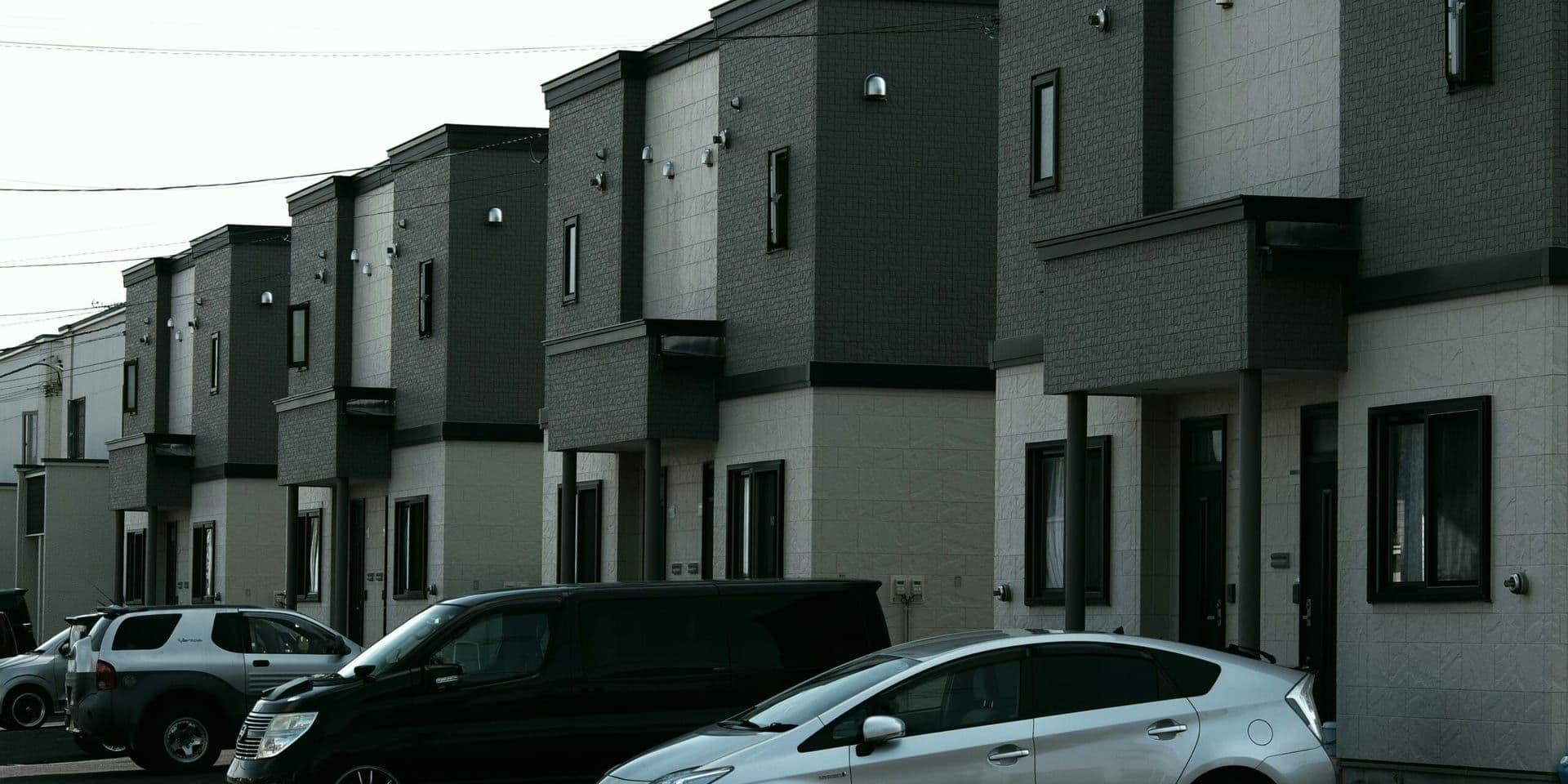
In a decisive move to confront Los Angeles’s ongoing housing crisis, the Los Angeles City Council on May 29, 2025, passed a comprehensive set of affordable housing measures designed to boost the supply of affordable units, strengthen tenant protections, and streamline development processes. This legislative package reflects the city’s urgent need to address rising housing costs and homelessness, which have reached critical levels in recent years.
Overview of the Legislation
The measures encompass several key policies:
Incentives for Developers: The city will offer increased density bonuses and tax incentives to developers who include affordable housing units in their projects, particularly targeting very low- and extremely low-income households.
Rent Control Expansion: The ordinance extends rent control protections to additional multifamily housing units built before 2000, aiming to prevent rapid rent hikes and displacement.
Streamlined Permitting for ADUs: Recognizing the growing importance of Accessory Dwelling Units (ADUs) as a source of affordable housing, the council simplified the permitting process, reducing wait times and fees.
Tenant Protections: The legislation strengthens eviction protections and establishes a tenant’s bill of rights, requiring landlords to provide clearer communication and just cause for lease termination.
Council President Marqueece Harris-Dawson called the measures “a milestone in our fight for housing justice,” highlighting the multifaceted approach designed to address both supply and affordability.
Housing Crisis Context
Los Angeles consistently ranks among the most expensive housing markets in the United States. According to recent reports from the California Housing Partnership, the city needs an estimated 500,000 affordable housing units to meet demand. The rapid rise in housing costs has contributed to a record number of unhoused individuals, with the LA Homeless Services Authority estimating over 75,000 people experiencing homelessness as of early 2025.
Escalating rents have also led to increased displacement, disproportionately affecting communities of color and low-income families. Tenant advocates have long pushed for stronger protections and affordable development incentives, making this package a response to sustained community pressure.
Political Process and Stakeholder Input
The legislative process included extensive hearings, community forums, and negotiations between developers, tenant groups, and city officials. The final package reflects compromises that aim to balance the needs of multiple stakeholders.
City Councilmember Nithya Raman, known for her advocacy on housing and homelessness, praised the legislation but noted the need for continued vigilance: “Passing these measures is critical, but implementation and enforcement will determine their success. We must ensure accountability.”
Developers’ associations expressed cautious optimism, recognizing the incentives but emphasizing the need for clear guidelines and support to avoid delays.
Expected Impact
Experts project that the incentives and streamlined processes will accelerate the construction of thousands of affordable units over the next five years. The expanded rent control and tenant protections are anticipated to provide immediate relief to thousands of residents facing displacement threats.
Dr. Sarah Kim, housing policy researcher at UCLA Luskin School of Public Affairs, remarked, “These measures represent a significant step forward, combining supply-side solutions with tenant protections. The key challenge will be effective implementation amid ongoing market pressures.”
Broader Regional and State Initiatives
The city’s actions align with broader statewide efforts to tackle California’s housing affordability crisis. Governor Gavin Newsom’s administration has recently allocated hundreds of millions in funding to support affordable housing construction and preservation.
Los Angeles is also collaborating with neighboring jurisdictions to coordinate regional planning, transportation access, and homelessness services, recognizing that housing challenges transcend municipal boundaries.
Community Reactions
Tenant organizations and advocacy groups widely welcomed the council’s vote. The LA Tenants Union called the measures “a victory for renters’ rights,” while highlighting the importance of enforcement and tenant education.
Some residents voiced concerns that increased density bonuses might lead to gentrification or changes in neighborhood character. City planners have committed to monitoring neighborhood impacts and engaging communities in ongoing dialogue.
Next Steps
With the legislative package now enacted, city departments are tasked with rolling out the new policies, updating administrative rules, and training staff. The Department of Building and Safety is expected to reduce ADU permitting times significantly.
The Housing and Community Investment Department will oversee affordable housing funding allocation and compliance, coordinating with developers and nonprofits.
City officials have pledged regular public reporting on progress, with benchmarks tied to housing production goals and displacement prevention metrics.
Conclusion
The Los Angeles City Council’s affordable housing measures mark a pivotal advancement in one of the city’s most pressing challenges. By addressing both development incentives and tenant protections, the legislation aims to create a more equitable housing landscape. However, success will depend on effective implementation, ongoing community engagement, and sustained political will to ensure housing security for all Angelenos.

LA News Daily Contributor
This article features partner, contributor, or branded content from a third party. Members of the LA News Daily editorial staff were not involved in the creation of this content. All views and opinions are those of the contributor alone.
previous post
The Poetry of Goran Rahim: Love Across Worlds