CicLAvia Turns Los Angeles Streets Into a Six-and-a-Half-Mile Public Space
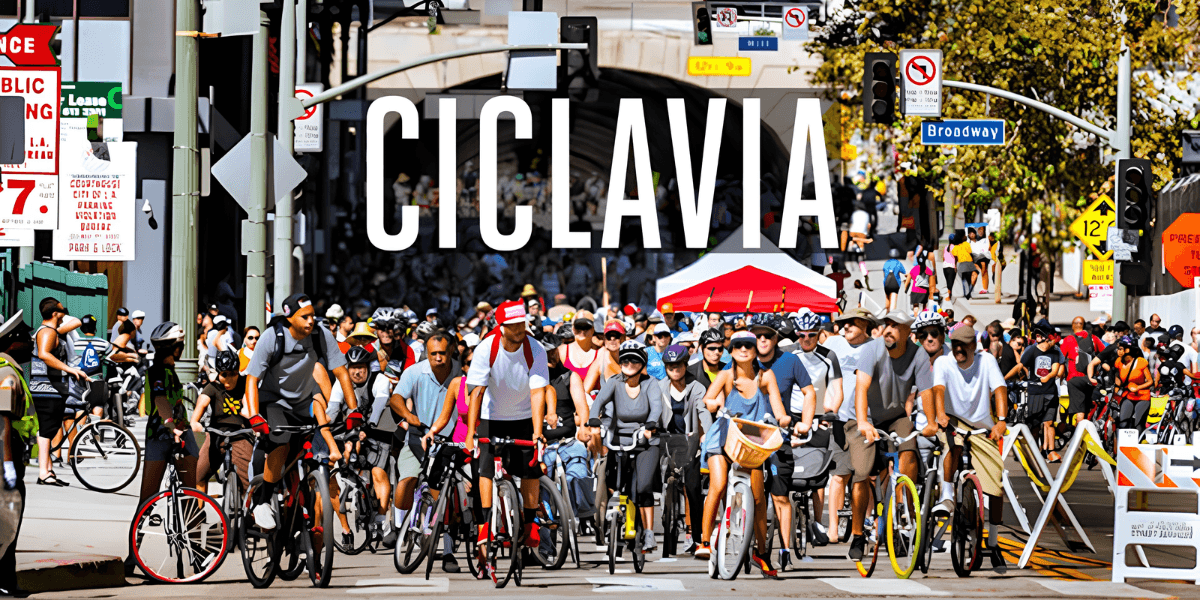
The Heart of LA event connected several neighborhoods through a car-free route designed for walking, cycling, skating and community activities.
A Different Way to Experience Los Angeles
Los Angeles residents experienced a different relationship with their city as CicLAvia’s Heart of LA event opened a 6.5-mile route to people rather than ordinary vehicle traffic. The October gathering connected neighborhoods including Echo Park, Chinatown, Little Tokyo, the Arts District and Boyle Heights, creating a shared public space across parts of the city.
The event formed part of CicLAvia’s continuing effort to make streets available for walking, cycling, skating, jogging and neighborhood exploration. Rather than operating as a conventional road race or ticketed entertainment event, the initiative allows participants to move along designated streets at their own pace and interact with local destinations.
The route’s scale made it a citywide experience while retaining a neighborhood focus. Participants could travel between different sections, stop at community hubs and encounter businesses, public art and historic locations along the way.
For Los Angeles, where transportation infrastructure and car travel shape much of daily life, the event offered a practical demonstration of how streets can support uses beyond moving vehicles.
Connecting Neighborhoods Through Public Space
CicLAvia’s Heart of LA route linked several distinct areas, including downtown districts and surrounding neighborhoods. The connections allowed residents to experience parts of the city through a continuous corridor rather than as separate destinations reached primarily by car.
The event’s organizers planned activity hubs along the route, with amenities including water refills, bike repair, bike parking, restrooms and first aid. These facilities supported participants traveling different distances and helped make the route accessible to people with varying levels of experience.
Such events require coordination because streets normally used by vehicles must be managed differently for the duration of the program. Traffic arrangements, public safety, wayfinding and access to surrounding properties all form part of the practical work involved in converting an urban road network into temporary public space.
For residents, the experience can also reveal how neighborhoods relate to one another. Walking or cycling between districts creates opportunities to notice storefronts, public spaces and cultural landmarks that may receive less attention during routine vehicle travel.
The event did not permanently change Los Angeles transportation policy. Instead, it created a temporary setting in which residents could experience the street network from a different perspective.
Local Businesses and Neighborhood Activity
The event also offered a potential boost to neighborhood businesses along and near the route. Restaurants, cafes, retailers and other establishments can benefit when pedestrians spend more time in an area and encounter businesses during their journey.
However, the commercial effects of a street event can vary. Increased foot traffic may create opportunities for some businesses, while street closures can require changes to deliveries, customer access and daily operations for others.
The experience illustrates a broader consideration for urban event planning: public programming and commercial activity can complement one another when organizers, local authorities and businesses communicate clearly about access and logistics.
For smaller businesses, an event can provide visibility among residents who might otherwise pass through a neighborhood without stopping. For visitors, it can introduce unfamiliar destinations and encourage exploration beyond a single attraction.
The longer-term economic impact depends on factors such as participation, visitor spending and whether attendees return to the area after the event. A single day of activity does not by itself establish lasting changes in commercial performance.
Public Space, Mobility and Community
CicLAvia belongs to a wider movement of temporary street activations that allow communities to explore alternatives to vehicle-dominated public environments. Similar programs in other cities have used open-street events to encourage active transportation and create opportunities for recreation.
Los Angeles presents a particular setting for such activities because of its size, varied neighborhoods and dependence on a complex transportation network. A route that links several districts can give residents a more direct experience of the city's geographic and cultural diversity.
These events can also accommodate different types of participation. Some attendees may cycle the entire route, while others may walk a short section, visit a community hub or meet friends at a nearby destination. That flexibility allows families, casual visitors and experienced cyclists to participate without requiring everyone to complete the same distance.
Accessibility and safety remain important considerations. Temporary street closures need clear information for residents, businesses, transit users and emergency services. The availability of support facilities can also influence how comfortably participants navigate the route.
What the Event Means for Los Angeles
The Heart of LA gathering demonstrated how a temporary change in street use can connect neighborhoods and create opportunities for recreation, local discovery and community interaction.
Its significance lies less in any permanent infrastructure change than in the experience it makes possible. By allowing people to move through several districts without ordinary vehicle traffic along the designated route, CicLAvia offered residents a different way to understand the city’s streets and neighborhood connections.
The event also highlighted the logistical balance required to host large public gatherings in a dense urban environment. Organizers must coordinate transportation, safety, amenities and local access while preserving the experience that attracts participants.
For Los Angeles, open-street events provide a recurring opportunity to examine how public infrastructure can serve multiple purposes. Streets remain essential to transportation, but they can also become temporary spaces for recreation and community activity.
The October gathering brought that idea into practice across a broad section of the city, creating a shared route through neighborhoods that are often experienced separately in everyday travel.

LA News Daily Contributor
This article features partner, contributor, or branded content from a third party. Members of the LA News Daily editorial staff were not involved in the creation of this content. All views and opinions are those of the contributor alone.