Record-Breaking October Heat Pushes Southern California Into Dangerous Late-Season Temperatures
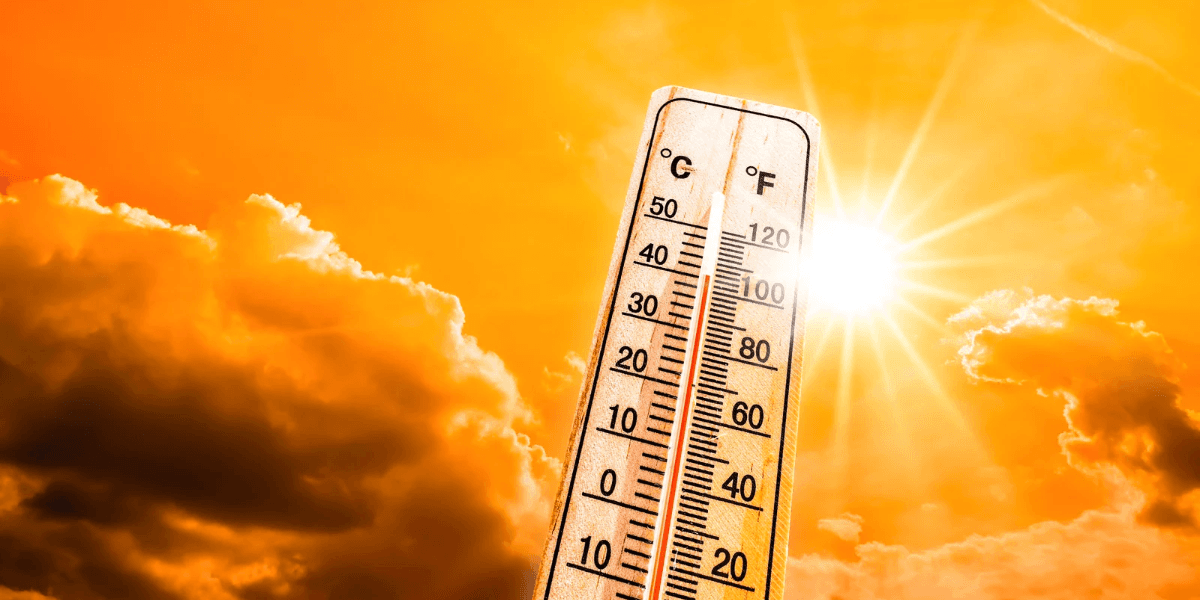
Southern California experienced unusually high temperatures, with several communities setting or tying daily heat records and raising concerns about outdoor safety.
An intense late-season heat wave brought exceptional temperatures to Los Angeles and surrounding Southern California communities, disrupting the region's usual transition into autumn and prompting renewed attention to heat safety.
According to reporting by CBS Los Angeles citing the National Weather Service, temperatures recorded on Friday reached 103 degrees Fahrenheit in downtown Los Angeles and Long Beach, while Burbank reached 102 degrees. The downtown Los Angeles reading exceeded its previous daily record of 101 degrees, set in 1995. Long Beach surpassed its previous record of 98 degrees, set in 1958, while Burbank tied its 102-degree mark from 2012.
The readings illustrated the breadth of the heat event, affecting coastal communities as well as inland parts of the metropolitan region.
A Late-Season Heat Event
October typically brings a gradual shift toward cooler conditions in Southern California, although warm weather remains possible. A heat wave of this intensity can place additional pressure on residents, public services, and infrastructure that must operate during prolonged high temperatures.
The temperatures reported across the region were especially notable because they exceeded or matched historical daily records at several observation sites. Daily records compare a location's temperature with measurements from the same calendar day in previous years; they do not necessarily establish that a location has experienced its hottest October or all-time hottest day.
That distinction matters when interpreting extreme weather reports. A daily record indicates an unusual reading for a particular date, while longer-term climate records require comparisons across broader periods.
The National Weather Service's observations provided a basis for assessing the heat's severity in individual communities. Conditions can vary considerably across short distances because of elevation, proximity to the ocean, urban development, and local wind patterns.
Implications for Residents and Outdoor Activities
High temperatures can create health risks, particularly for older adults, young children, people with certain medical vulnerabilities, and workers who spend long periods outdoors.
Heat-related illness can develop when the body cannot adequately regulate its temperature. Heavy exertion, inadequate hydration, limited access to shade, and prolonged exposure can increase the risk.
The impact extends beyond recreation. Construction workers, delivery personnel, landscaping crews, transportation staff, and other outdoor employees may face greater physical demands when temperatures rise. Employers may need to assess working conditions, provide access to water and shaded rest areas, and adjust schedules when appropriate.
Families also face practical decisions about school activities, sports, exercise, and weekend outings. Outdoor events may require additional water stations, shaded areas, cooling facilities, and clear procedures for responding to symptoms of heat illness.
Residents should follow current guidance from the National Weather Service and local health authorities because advisories can change as temperatures and forecast conditions evolve.
Pressure on Buildings and Infrastructure
Extreme heat can also affect electricity demand as households and businesses increase air-conditioning use. Higher demand can place additional stress on power systems, especially when hot conditions persist across a large population center.
Buildings differ in their ability to retain or release heat. Older structures, poorly insulated homes, and properties without effective cooling can become uncomfortable or hazardous during extended hot spells. Dense urban neighborhoods may also experience elevated temperatures because roads, roofs, and other built surfaces absorb and retain heat.
Transportation infrastructure and outdoor public spaces can face additional challenges. Pavements and other exposed surfaces become hotter than the surrounding air, while workers maintaining roads and public facilities may need to take precautions.
These effects are not uniform throughout the region. Local temperatures and exposure depend on building design, shade, vegetation, and access to cooling.
Why the Records Matter
A single heat wave cannot, by itself, establish a long-term climate trend. Climate assessments require decades of observations and analysis of changing averages, extremes, and atmospheric conditions.
Nevertheless, record-setting temperatures are useful indicators of the conditions communities must manage. They provide information for emergency planning, public-health messaging, energy management, and the design of more heat-resilient neighborhoods.
Southern California's combination of dense development, extensive outdoor activity, and substantial differences between coastal and inland temperatures makes local forecasting particularly important.
The October heat event also demonstrated why calendar-based expectations are not a reliable substitute for current weather information. Residents planning outdoor activities need to consider actual temperatures and official advisories rather than assuming autumn weather will be mild.
Preparing for Continued Heat Risks
Local authorities, employers, schools, and residents can reduce exposure by planning around forecast conditions and recognizing the symptoms of heat-related illness. Confusion, fainting, severe weakness, or signs of heatstroke require urgent attention.
For outdoor activities, shorter periods of exertion and regular access to cooling can reduce exposure. People who rely on public transportation or work outdoors may need particular attention because they cannot always avoid hot conditions.
The record temperatures reported across Southern California underscored the importance of treating late-season heat as a genuine public-safety concern. While the exact duration and local effects of any heat event depend on evolving weather conditions, the immediate lesson is clear: extreme temperatures can remain consequential well into autumn.

LA News Daily Contributor
This article features partner, contributor, or branded content from a third party. Members of the LA News Daily editorial staff were not involved in the creation of this content. All views and opinions are those of the contributor alone.