Los Angeles Grapples With Controversial Dodger Stadium Gondola Project
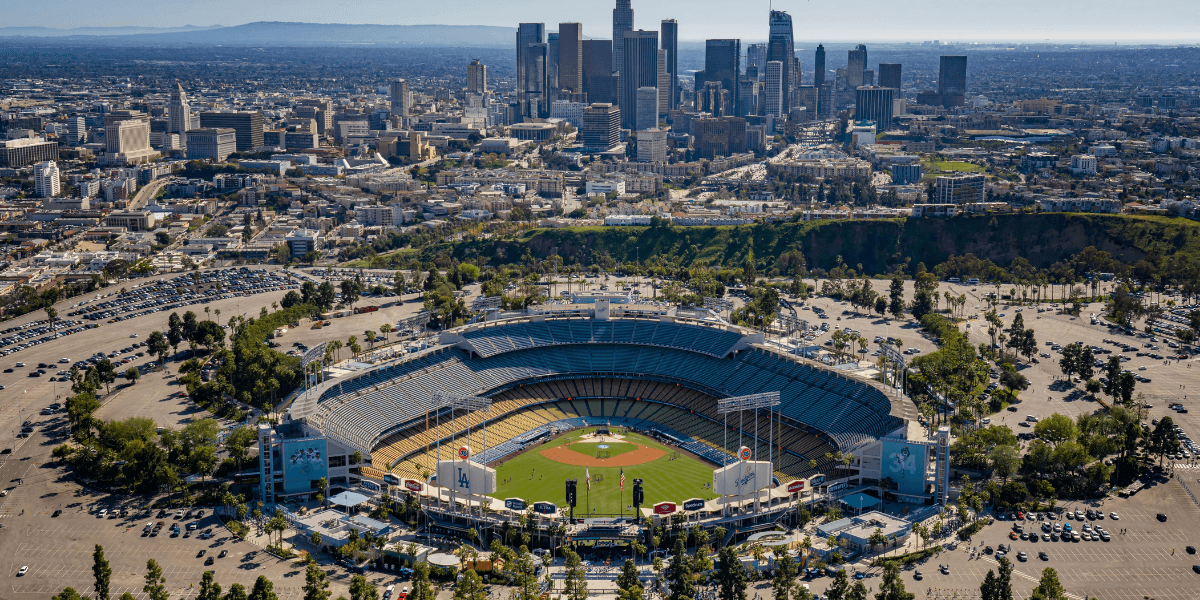
A major transportation and urban planning debate in Los Angeles continues to unfold as the Dodger Stadium gondola project, an ambitious aerial transit proposal intended to link Union Station with Dodger Stadium, remains at the center of community and political controversy. The issue, which intersected with local government action and heightened public attention in recent weeks, has become one of the city’s most talked‑about infrastructure matters going into 2026.
What the Project Is
The proposed Los Angeles Aerial Rapid Transit, commonly referred to as the Dodger Stadium gondola, is envisioned as a roughly 1.2‑mile aerial cable car system that would carry fans and visitors from Los Angeles’ Union Station up to Dodger Stadium. The route would pass high above city streets with intermediate stops near Chinatown and Los Angeles State Historic Park. Proponents argue the system would provide a zero‑emission transit alternative to driving, potentially reducing traffic congestion around the stadium on game days and special events.
Estimated at around $500 million, the project is being led by a nonprofit organization backed by former Dodgers owner Frank McCourt. While not directly a Metro initiative, the Los Angeles County Metropolitan Transportation Authority (Metro) has been the lead agency in preparing required environmental analyses and shepherding key approvals under California law.
Recent Actions and Votes
Although the Metro Board of Directors had previously moved to recertify the supplemental environmental impact report (EIR) to address a court‑ordered review, a step that clears a procedural hurdle and allows the project to move forward for now, the effort has faced strong pushback from city leaders and community advocates.
In late 2025, the Los Angeles City Council overwhelmingly voted 12–1 to oppose the project and urged Metro to halt its progress. Councilmembers expressed concerns that the gondola would have limited benefit as a regional transit solution and could negatively affect public parks, historic areas, and quality of life for nearby residents, especially during construction.
Despite the Council’s position, Metro’s board has continued to allow the project to advance through the approval process. Placing the EIR’s recertification on the board’s consent calendar, a move typically reserved for noncontroversial items, effectively facilitated its passage with minimal public debate, though opponents later forced a period of public comment at the meeting.
Community Reaction
Support for the gondola is mixed. Backers point to its potential environmental and mobility benefits, citing zero‑emission operation and the opportunity to reduce automobile traffic during major Dodgers events. They also highlight that the system could serve as a pioneering example of alternative urban transit in a sprawling metropolitan region.
Critics, including neighborhood groups and some planners, argue the project amounts to a novelty attraction rather than a genuine transit solution for daily commuters. They are particularly concerned about the use of public space, unclear long‑term financing, and whether taxpayers could be on the hook for costs despite assurances that public funds won’t be used directly. Opponents also remain skeptical of the gondola’s ability to meaningfully reduce traffic congestion compared to expanded bus and rail services.
Broader Context
The gondola debate comes at a time when Los Angeles is rapidly expanding and preparing for major global events, including the 2026 FIFA World Cup and the 2028 Summer Olympics. Enhancing transportation infrastructure is an urgent priority, reflected in large‑scale initiatives like Metro’s Twenty‑eight by ’28 plan, a set of projects aimed at improving mobility before the Olympics.
City officials are also pursuing other long‑term transit improvements, such as rail expansions and bus network enhancements, underscoring the importance of integrated transportation planning across the region. However, balancing immediate needs with strategic, community‑supported solutions remains a complex challenge.
What’s Next
As of mid‑February 2026, the gondola project is technically still alive on the approval track but faces continued skepticism from city leadership, local residents, and transit advocates. The next key steps will involve further environmental reviews, potential state and federal permit decisions, and ongoing negotiations between Metro, the City of Los Angeles, and community stakeholders.
Given the high profile of Dodger Stadium and the increased focus on mobility ahead of global sporting events, the outcome of the gondola debate will have lasting implications for how Los Angeles approaches innovative transit solutions in the years leading up to 2028 and beyond.

LA News Daily Contributor
This article features partner, contributor, or branded content from a third party. Members of the LA News Daily editorial staff were not involved in the creation of this content. All views and opinions are those of the contributor alone.