LA to Launch New Public Transportation Initiative Aimed at Reducing Traffic Congestion in 2025
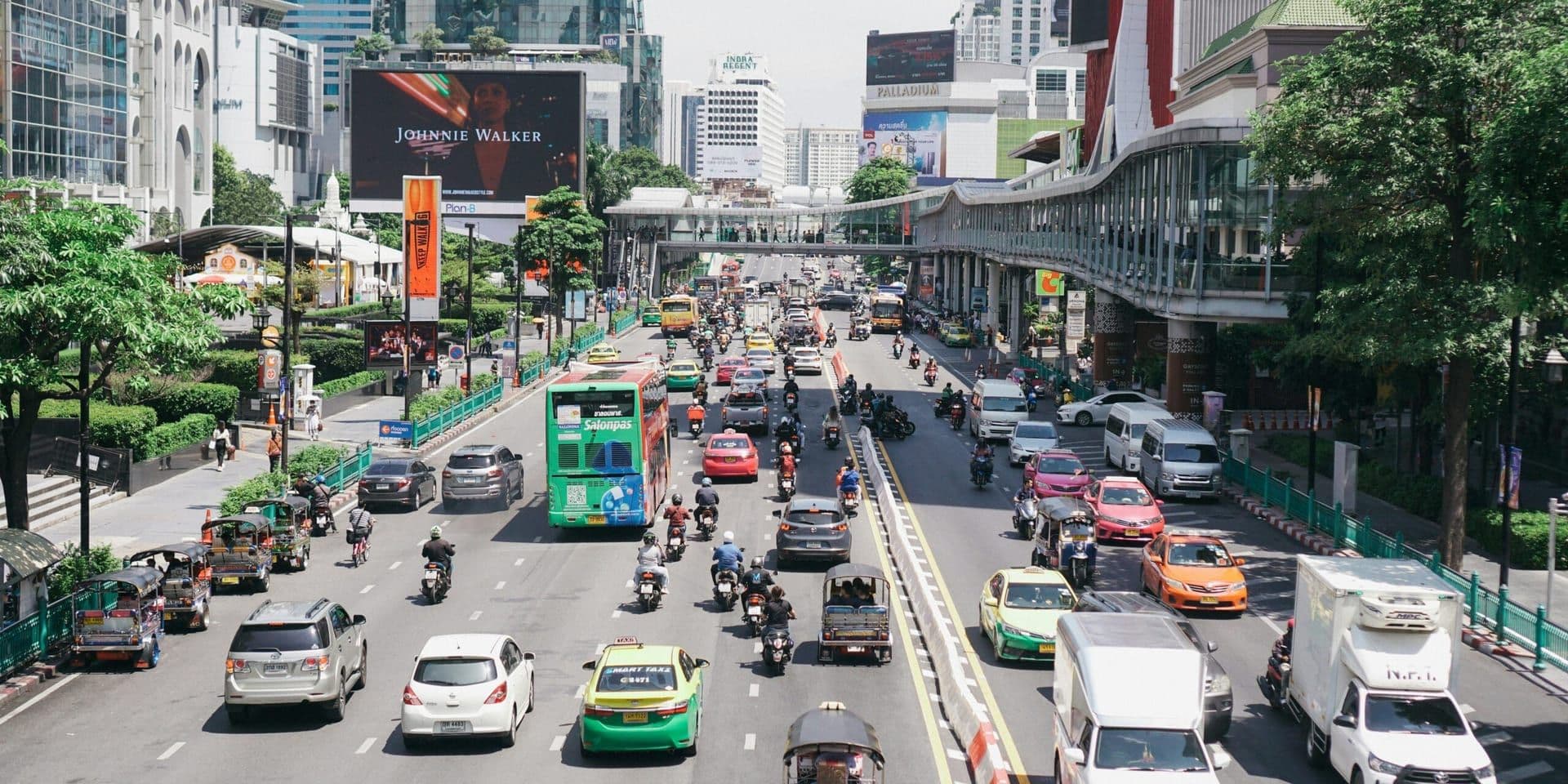
Los Angeles, a city long plagued by notorious traffic congestion, is embarking on a transformative journey in 2025 with the launch of a bold public transportation initiative. The project, named LA Transit Vision, is set to reshape the city’s transit landscape, aiming to reduce car dependency and address the city’s traffic woes. With an impressive $5 billion in funding allocated over the next decade, this initiative is one of the most ambitious public transit expansions in Los Angeles’ history. By focusing on rail network expansion, bus route improvements, and the integration of smart technologies, the LA Transit Vision promises to modernize transportation and pave the way for a greener, more efficient future.
Expanding Public Transit: A Major Step Toward Sustainability
One of the most exciting elements of the LA Transit Vision is the expansion of the Los Angeles Metro Rail system. The city is making significant investments in building out a more comprehensive, faster, and efficient rail network, which has the potential to fundamentally change how Angelenos commute.
The Westside Subway Extension
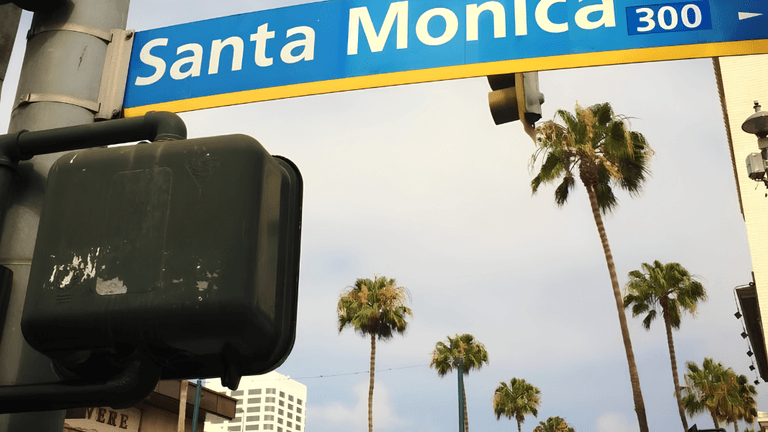
In 2025, construction officially began on the Westside Subway Extension, a project that will add seven new subway stations connecting downtown Los Angeles to the Westside. This extension will include stations in neighborhoods like Santa Monica and Beverly Hills, making it easier for residents to travel across the city without relying on cars. For years, the Westside has been notorious for its heavy traffic, particularly along the I-10 and I-405 corridors. The subway extension is expected to provide a much-needed alternative to driving, allowing commuters to bypass traffic and connect with other parts of the city quickly and efficiently.
The project is slated for completion by 2030, and while the timeline is ambitious, city officials and transportation experts are optimistic about the positive impact this new transit option will have on daily commuting and congestion relief.
Metro ExpressLanes Expansion
Alongside the subway extension, the LA Transit Vision includes the expansion of Metro ExpressLanes along the 405 Freeway. These high-occupancy vehicle (HOV) lanes are designed to improve traffic flow, reduce congestion, and provide commuters with a faster route during peak travel times. By giving priority to cars with multiple passengers and offering express lane access for electric vehicles (EVs), this initiative encourages sustainable commuting practices while addressing the persistent bottlenecks that plague the 405 Freeway, one of the busiest highways in the country.
The inclusion of ExpressLanes represents a step forward in Los Angeles’ strategy to make commuting more efficient, both for traditional vehicles and emerging forms of transport, such as EVs and shared rides.
Focusing on Sustainable Mobility: The Future of Transportation in LA
As part of the LA Transit Vision’s commitment to sustainability, the city is also making strides in cleaner and greener transportation solutions. The integration of electric buses into the city’s transit fleet is a key focus. In 2025, the city began the transition to electric buses, with the ambitious goal of converting the entire bus fleet to electric by 2030. This shift will significantly reduce the city’s carbon footprint, lower air pollution, and improve the quality of life for residents who live in areas historically impacted by vehicle emissions.
By investing in clean transportation, Los Angeles is not only improving air quality but also positioning itself as a leader in sustainable urban mobility. The move to electric buses also supports the city’s broader goal of reducing traffic-related environmental harm and contributing to climate change mitigation efforts.
Smart Mobility Solutions: Connecting the Future
The LA Transit Vision is not just about building more infrastructure; it’s about creating smarter, more connected mobility systems. In 2025, the city is integrating smart mobility technologies into its transit systems, ensuring that residents have more options for how they get around. These innovations include:
- Real-time transit tracking: Commuters will be able to access live data on bus and subway arrivals, reducing wait times and making transit more predictable and reliable.
- Mobility-as-a-Service (MaaS) apps: A digital platform that will allow Angelenos to plan their journeys, book rides, and pay for public transit in a seamless manner. MaaS will combine multiple modes of transportation—subways, buses, bike-sharing, and even carpooling—into a single, unified app, giving residents more flexibility and convenience when traveling.
- Bike-share programs: The expansion of bike-share services will provide another eco-friendly transportation option, promoting healthier, greener modes of commuting in urban areas.
These smart solutions are designed to provide residents with not just more options, but more efficient and connected transit experiences. By integrating technology into everyday commuting, the LA Transit Vision aims to make public transit a more practical and attractive option for residents across the city.
Reducing Traffic Congestion and Environmental Impact
Los Angeles Mayor Karen Bass has voiced strong support for the LA Transit Vision, highlighting its potential to address both traffic congestion and the city’s environmental challenges. “By expanding our transit network and introducing new technologies, we’re not only addressing traffic congestion but also working to combat climate change and improve air quality in our city,” Mayor Bass said.
Studies reveal that Los Angeles residents spend an average of 120 hours per year in traffic, making the city one of the worst in the U.S. for commuting time. This gridlock not only wastes time but also exacerbates the city’s air pollution problem. The LA Transit Vision seeks to alleviate these issues by providing more accessible and sustainable transportation alternatives, ultimately reducing the number of cars on the road.
As part of this shift, Los Angeles will need to expand its public transit infrastructure significantly to accommodate its growing population, which continues to push the limits of the city’s existing traffic and transit systems. By offering alternatives that are both practical and sustainable, the initiative aims to make the city a more livable, equitable, and environmentally friendly place for residents and visitors alike.
Challenges and Criticism
While the LA Transit Vision has generated broad support, it has not been without its challenges. Critics argue that Los Angeles’ public transit system remains insufficient in many areas, particularly those outside the central parts of the city. Areas such as South LA and East LA have historically had limited access to transit options, and the expansion efforts may not fully address these needs if they continue to focus primarily on high-traffic, wealthy areas.
Additionally, there are concerns that the ambitious timeline and scope of the project could face delays due to factors such as rising costs, construction hurdles, and the logistical complexities of building in a sprawling urban environment. The challenge will be balancing the city’s infrastructure goals with the practical realities of construction in densely populated and often congested areas.
Despite these concerns, city officials remain optimistic about the long-term benefits of the LA Transit Vision. They emphasize that the initiative is just the beginning of a more comprehensive strategy to transform public transportation in Los Angeles and reduce its reliance on cars.
A New Era for LA’s Public Transportation
The LA Transit Vision initiative marks a pivotal moment for Los Angeles, with the potential to redefine how the city’s residents commute. The $5 billion investment will not only help ease the city’s chronic traffic congestion but also contribute to a more sustainable, accessible, and environmentally friendly transportation system.
By making public transit more convenient, affordable, and eco-friendly, Los Angeles is taking the necessary steps to create a more connected and livable city for future generations. As construction on the subway extension and other projects begins to take shape, Angelenos can look forward to a public transportation system that offers more choices and better access to all parts of the city.
While there are still challenges to overcome, the LA Transit Vision represents a new era for public transit in Los Angeles—one that reflects the city’s evolving needs and its commitment to creating a cleaner, more sustainable future. The next decade will likely be a critical period of transformation, with the success of the initiative laying the foundation for the city’s transit system for years to come.

LA News Daily Contributor
This article features partner, contributor, or branded content from a third party. Members of the LA News Daily editorial staff were not involved in the creation of this content. All views and opinions are those of the contributor alone.
previous post
The Poetry of Goran Rahim: Love Across Worlds