Hurricane Marie Brings Unusual September Rain and Dangerous Surf to Southern California
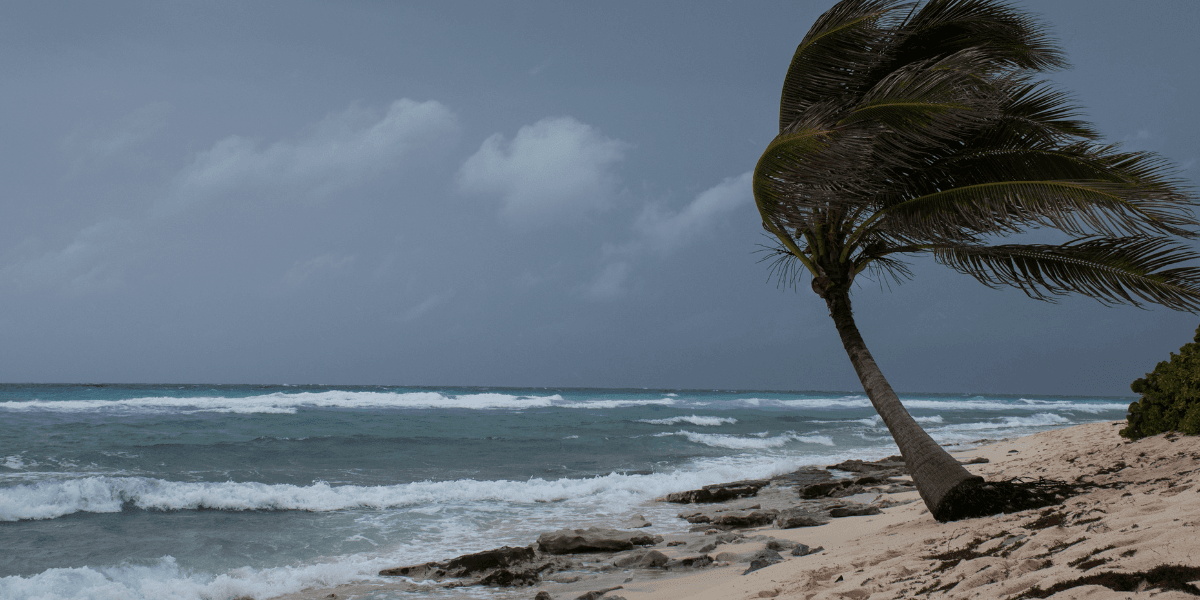
Southern California experienced an unusual spell of September rain and hazardous coastal conditions on Sunday as the outer effects of Hurricane Marie reached the region, producing rainfall, high surf and localized flooding concerns across Los Angeles County.
Marie remained offshore and did not make landfall in Southern California, but its circulation generated conditions that affected communities along the coast and inland areas. The National Weather Service expected much of Los Angeles County to receive roughly a quarter-inch to an inch of rain, with some locations potentially receiving heavier bursts.
The storm's most immediate concern was not the hurricane's center but its effect on the Pacific coastline.
Dangerous Coastal Conditions
Large waves and strong rip currents affected beaches throughout the region. The National Weather Service reported waves reaching as high as 10 feet at some locations, while authorities warned beachgoers about dangerous water conditions.
Newport Beach lifeguards carried out numerous rescues during the weekend as large surf created hazardous conditions. In Seal Beach, officials closed beach parking facilities because of elevated surf and coastal flooding risks.
The conditions affected not only swimmers but also beach access, parking, roads and public spaces along the coast.
Southern California's heavily developed shoreline means that unusual surf can quickly become a local infrastructure issue. Parking lots, roads and low-lying coastal areas can be exposed to waves and flooding even when a tropical cyclone remains hundreds of miles offshore.
Rain Reaches Los Angeles County
Rainfall also spread across Los Angeles County during the day. The National Weather Service reported that some locations were receiving significant bursts of precipitation, while forecasters expected totals to reach roughly a quarter-inch to one inch across much of the county.
Mountain areas were expected to receive higher amounts, while the potential for thunderstorms created additional localized concerns.
Recent wildfire burn scars added another consideration. The National Weather Service warned that isolated debris flows could occur in areas affected by recent fires, particularly where heavy rainfall fell over steep terrain.
For local officials, those conditions required attention even though Marie itself was not approaching the coast as a landfalling hurricane.
A Short-Lived Weather Shift
The unusual weather came during a period when Southern California would ordinarily be associated with hot and dry conditions.
Forecasters expected the storm's influence to diminish, with temperatures returning toward the 90s later in the week. The region therefore faced a rapid transition from wet and unsettled conditions back toward hotter weather.
The contrast was especially noticeable in coastal communities, where the storm's effects were concentrated in the form of surf and rip currents rather than direct hurricane-force winds.
The event also demonstrated how tropical systems can influence Southern California without making landfall. Moisture, ocean swells and atmospheric circulation associated with a distant storm can still affect local weather and coastal conditions.
What Residents Faced
The immediate public-safety message centered on avoiding hazardous surf and paying attention to local warnings.
Authorities continued to monitor flooding, beach conditions and potential debris flows while the storm weakened over the Pacific.
For Los Angeles and surrounding communities, the weekend event represented an unusual combination of tropical influence, rainfall and coastal hazards. Although the region avoided the worst-case scenario associated with a direct hurricane impact, Marie still produced measurable effects across Southern California.
The episode offered a reminder that weather risks along the California coast can emerge from storms that remain far offshore. For residents, beach operators, local governments and emergency agencies, the focus remained on managing those localized impacts while conditions gradually improved.

LA News Daily Contributor
This article features partner, contributor, or branded content from a third party. Members of the LA News Daily editorial staff were not involved in the creation of this content. All views and opinions are those of the contributor alone.