Downtown Los Angeles Moves Forward With Major Mixed-Use Redevelopment Project
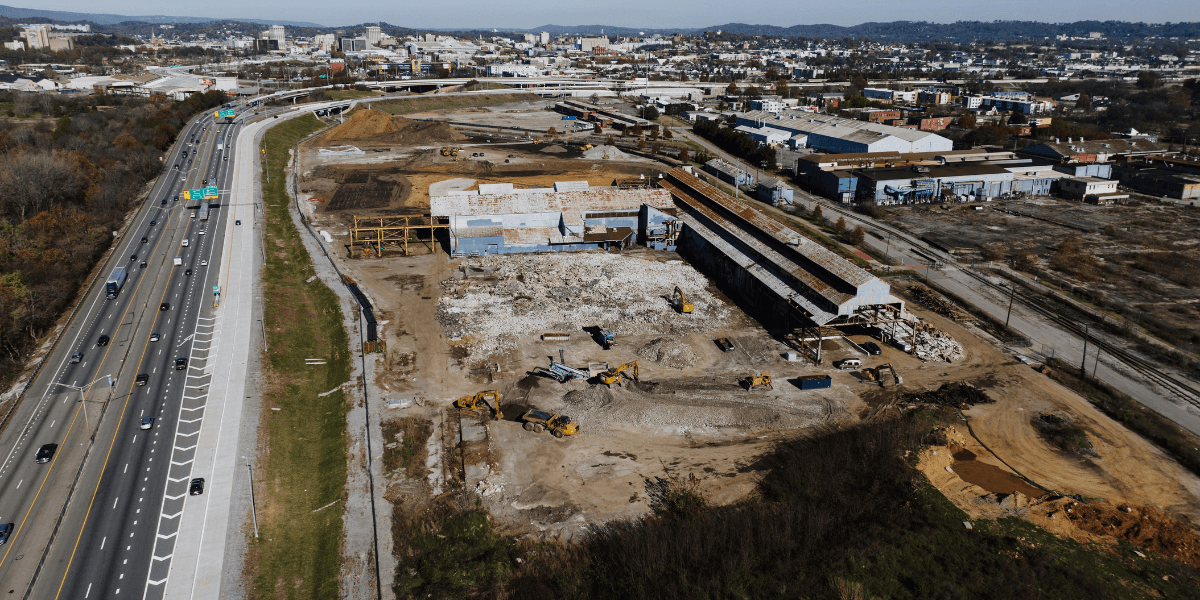
A large-scale redevelopment project in Downtown Los Angeles officially advanced this week, marking another significant milestone in the city’s ongoing efforts to revitalize commercial districts and address changing urban development needs. The mixed-use project, approved for expanded construction activity on May 20, is expected to reshape a major section of the downtown corridor with new residential units, office space, retail development, and public gathering areas.
City planners and developers say the project reflects broader changes taking place across Los Angeles as commercial real estate adapts to post-pandemic economic trends, shifting workplace patterns, and growing demand for housing in central urban areas. The development is also expected to generate construction jobs, increase business activity, and contribute to long-term infrastructure improvements within the surrounding neighborhood.
The redevelopment initiative will transform several aging commercial properties into a modern multi-purpose district designed to support residential living, entertainment, dining, and flexible work environments. According to project representatives, the plan includes residential towers, pedestrian-friendly public spaces, updated transit access, and environmentally focused design features intended to improve sustainability and energy efficiency.
Local officials described the project as part of a larger strategy to strengthen Downtown Los Angeles as both a business center and a residential destination. In recent years, city leaders and urban planners have emphasized the importance of creating neighborhoods that support around-the-clock activity rather than relying solely on traditional office traffic during business hours.
Developers involved in the project stated that construction will occur in multiple phases over the next several years. Initial work is expected to focus on infrastructure preparation, public space improvements, and utility modernization before larger residential and commercial structures begin vertical construction.
The announcement comes during a period of continued transformation across Los Angeles’ real estate market. Office vacancies, changing retail patterns, and rising housing demand have encouraged developers to pursue mixed-use projects that combine living, working, and entertainment spaces within a single area. Industry analysts say this approach has become increasingly common in major metropolitan areas where city leaders are attempting to improve walkability, economic resilience, and transit accessibility.
Real estate experts note that Los Angeles faces ongoing pressure to expand housing availability while maintaining economic growth. Mixed-use developments are often viewed as one solution because they allow higher-density housing alongside commercial activity and public amenities. Supporters argue that these projects can help maximize limited urban space while supporting local businesses and reducing transportation demands.
The downtown redevelopment project also includes plans for expanded green spaces and community gathering areas. Urban planners say public open spaces have become increasingly important in large-scale developments as cities seek to improve quality of life, encourage outdoor activity, and support neighborhood engagement.
Business organizations welcomed the project’s advancement, citing its potential impact on local employment and long-term investment. Construction activity alone is expected to support hundreds of jobs over multiple phases, while completed retail and office spaces may attract additional companies and service providers into the area.
Transportation accessibility remains another major focus of the development. Project planners say the site was selected partly because of its proximity to public transit infrastructure, including rail and bus connections serving Downtown Los Angeles. City officials have increasingly prioritized transit-oriented development strategies aimed at reducing traffic congestion and encouraging greater use of public transportation systems.
Architectural renderings released this week show a modern urban design emphasizing open plazas, street-level retail, landscaped walkways, and energy-efficient construction materials. Sustainability features are expected to include water conservation systems, efficient lighting technologies, and environmentally conscious building standards designed to meet California’s evolving environmental regulations.
Community leaders and nearby business owners have expressed cautious optimism regarding the project’s potential economic impact. While some residents continue monitoring concerns related to affordability and traffic management, others view the redevelopment as an opportunity to bring renewed activity into underutilized sections of downtown.
Urban development specialists say projects of this scale often play an important role in shaping broader investment patterns throughout surrounding neighborhoods. New housing, retail activity, and infrastructure improvements can encourage additional private development while increasing foot traffic for existing businesses.
The redevelopment effort also reflects Los Angeles’ ongoing adaptation to changing economic realities. As hybrid work models continue influencing commercial real estate nationwide, developers are increasingly designing projects that prioritize flexibility, community integration, and mixed-purpose functionality over traditional single-use office environments.
Construction timelines remain subject to permitting, infrastructure coordination, and phased financing schedules, but officials involved with the project indicated that major groundwork activities could expand significantly later this year.
For Los Angeles, the project represents more than another commercial construction initiative. It reflects the city’s broader attempt to modernize urban development strategies while balancing economic growth, housing demand, sustainability goals, and community revitalization. As downtown districts across the country continue evolving, Los Angeles remains one of the most closely watched urban markets shaping the future of mixed-use city development.

LA News Daily Contributor
This article features partner, contributor, or branded content from a third party. Members of the LA News Daily editorial staff were not involved in the creation of this content. All views and opinions are those of the contributor alone.