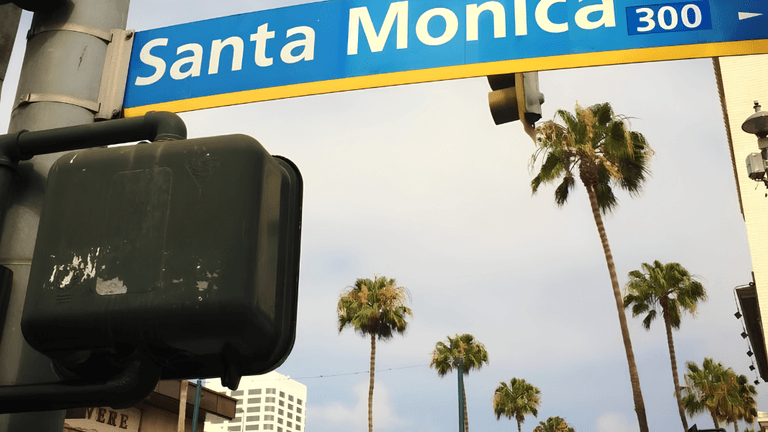
Los Angeles Sees Surge in Mixed-Use Development Activity as Spring Projects Advance
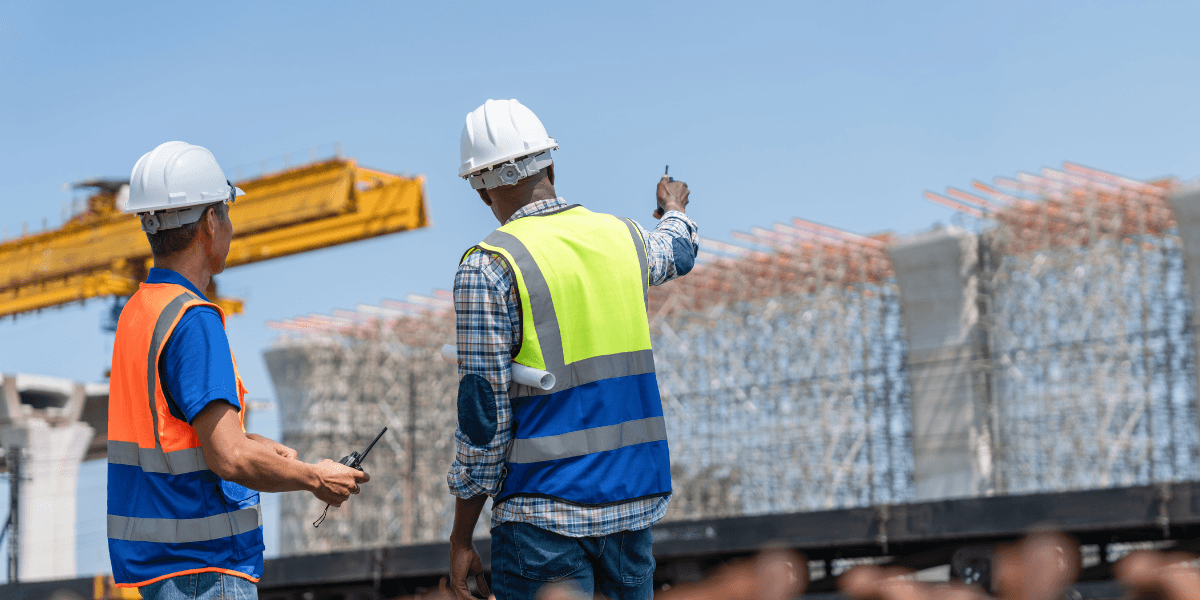
Los Angeles marked a significant moment in its urban development landscape on April 30, 2026, as multiple mixed-use real estate projects across the city reached key construction and leasing milestones. The surge in activity reflects a broader trend toward integrated living, working, and retail environments, highlighting how developers and city planners are responding to evolving economic conditions and lifestyle preferences.
According to recent updates from the Los Angeles Department of City Planning and industry reports from CBRE and JLL, several large-scale developments in neighborhoods such as Downtown Los Angeles, Hollywood, and Culver City have progressed into advanced stages of completion or leasing. These projects combine residential units, office spaces, retail outlets, and entertainment venues into unified complexes designed to maximize land use and enhance community engagement.
One of the most notable aspects of the April 30 developments is the continued demand for mixed-use spaces in high-density urban areas. Real estate analysts report that these developments are attracting both tenants and investors due to their ability to offer convenience and accessibility. By integrating multiple functions within a single location, mixed-use properties reduce reliance on long commutes and create vibrant, walkable communities.
Data from the Urban Land Institute (ULI) supports this trend, indicating that mixed-use developments have become a preferred model in major U.S. cities. In Los Angeles, where space constraints and population density present unique challenges, this approach is particularly relevant. The April 30 updates demonstrate how developers are adapting to these conditions by prioritizing projects that align with modern urban living patterns.
The residential component of these developments is playing a critical role in addressing housing demand. New apartment units within mixed-use complexes are being marketed to a diverse range of renters, including young professionals and families seeking proximity to work and amenities. According to Zillow and Redfin data, demand for centrally located housing in Los Angeles remains strong, even as overall market conditions evolve.
Commercial leasing activity within these developments is also gaining momentum. Retail and dining spaces are attracting businesses looking to capitalize on consistent foot traffic generated by residents and office workers. Reports from the National Retail Federation indicate that experiential retail, such as restaurants, entertainment venues, and service-oriented businesses, is a key driver of leasing demand in mixed-use environments.
Office space within these projects reflects ongoing changes in workplace trends. While hybrid work models continue to influence demand, companies are increasingly seeking flexible, high-quality office environments that support collaboration and employee engagement. Mixed-use developments offer an attractive solution by providing modern office spaces within dynamic, amenity-rich settings.
From an economic standpoint, the April 30 surge in development activity is contributing to job creation and local investment. Construction projects generate employment opportunities across various sectors, while completed developments support ongoing jobs in retail, hospitality, and property management. According to the U.S. Bureau of Labor Statistics (BLS), the construction and real estate sectors remain important contributors to regional economic growth.
City officials have emphasized the importance of these projects in supporting Los Angeles’ long-term development goals. Mixed-use developments align with urban planning strategies aimed at reducing traffic congestion, promoting sustainability, and enhancing quality of life. By concentrating residential and commercial activities in centralized areas, these projects help optimize infrastructure use and reduce environmental impact.
Sustainability is another key feature of many of the developments highlighted on April 30. Developers are incorporating energy-efficient building systems, green spaces, and environmentally conscious design elements to meet both regulatory requirements and tenant expectations. The U.S. Green Building Council notes that demand for sustainable properties continues to grow, particularly in major metropolitan areas like Los Angeles.
Technology is also playing a role in shaping these projects. Smart building systems, digital access controls, and integrated property management platforms are being implemented to enhance efficiency and tenant experience. These innovations reflect a broader shift toward PropTech solutions that are transforming how real estate assets are managed and utilized.
Despite the positive momentum, challenges remain. Rising construction costs, regulatory requirements, and market uncertainties can impact project timelines and profitability. However, industry experts note that the long-term benefits of mixed-use developments, such as diversified revenue streams and resilience to market fluctuations, make them a compelling investment.
For local communities, the impact of these developments extends beyond economics. Mixed-use projects often include public spaces, cultural venues, and community-focused amenities that contribute to neighborhood identity and livability. As these projects continue to evolve, they play a role in shaping the social and cultural fabric of Los Angeles.
Key takeaways from April 30, 2026, include the growing importance of mixed-use development in urban planning, the role of integrated spaces in meeting modern lifestyle needs, and the economic benefits associated with large-scale real estate projects. The surge in activity signals confidence in Los Angeles’ real estate market and its ability to adapt to changing conditions.
As construction progresses and more projects reach completion, mixed-use developments are expected to remain a central feature of Los Angeles’ growth strategy. The events of April 30 highlight a city in transition, one that is embracing innovation and integration to build a more connected and sustainable urban future.

LA News Daily Contributor
This article features partner, contributor, or branded content from a third party. Members of the LA News Daily editorial staff were not involved in the creation of this content. All views and opinions are those of the contributor alone.