Coastal Flooding Hits Southern California Homes as Large Waves Batter Long Beach and Newport Beach
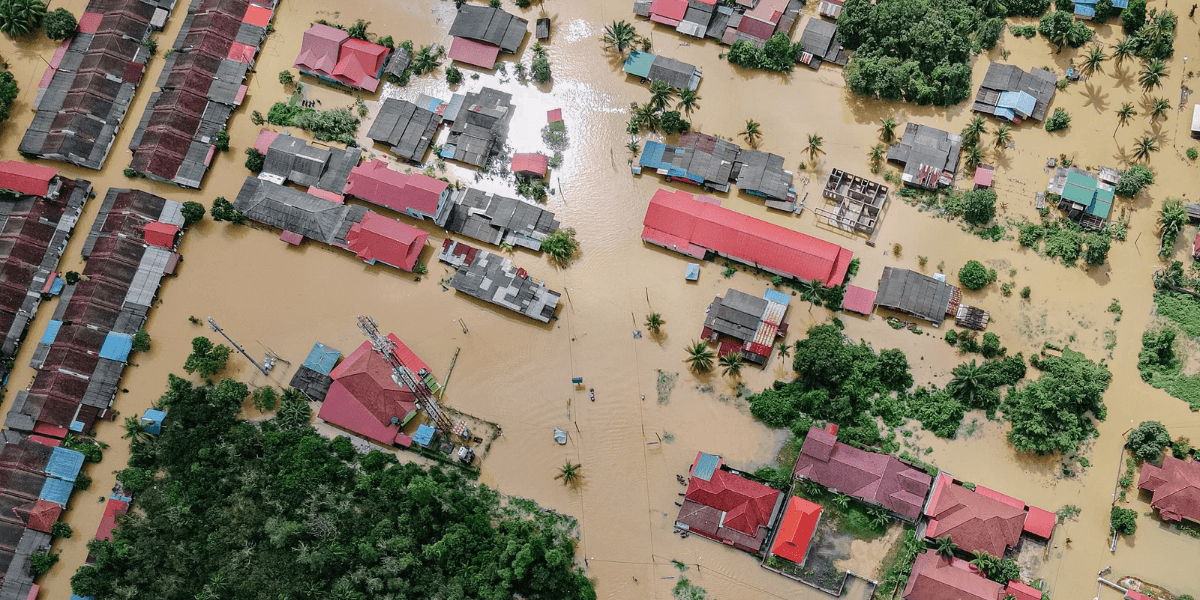
Large waves and coastal flooding inundated homes and streets in Long Beach and Newport Beach, raising concerns about shoreline safety.
Flooding Along the Southern California Coast
Coastal communities in Los Angeles and Orange counties faced dangerous surf and flooding as large waves pushed water into exposed neighborhoods. In Long Beach, waves overtopped a bulkhead and flooded nearby homes and streets, while water covered portions of the Balboa Peninsula in Newport Beach.
The flooding occurred as moisture associated with Tropical Storm Rachel moved northward toward the West Coast. Weather conditions combined with elevated tides and powerful surf to create hazards along south-facing beaches.
The National Weather Service issued coastal flood warnings for affected areas, while Los Angeles County officials urged residents and beachgoers to take precautions against flooding, high surf and rip currents.
The situation highlighted the exposure of coastal property to weather-related hazards that can affect buildings, roads, public access and local commerce.
Why Coastal Properties Face Different Risks
Coastal properties can be vulnerable to several interacting forces, including wave action, erosion, high tides and flooding. The level of risk depends on shoreline shape, elevation, protective structures, drainage and the condition of nearby beaches.
In Long Beach, flooding occurred after waves breached a bulkhead that separates the ocean from nearby properties. Such barriers can help protect land from ordinary wave action, but their effectiveness depends on design, maintenance and the severity of conditions.
Newport Beach’s Balboa Peninsula also experienced flooding that affected roads and traffic. When water reaches streets, it can interfere with access to homes, emergency services and businesses, even if the structures themselves remain undamaged.
These incidents demonstrate that coastal exposure is not limited to direct damage from waves striking a building. Flooded roads, damaged protective infrastructure and restricted access can create additional costs for property owners and local authorities.
Erosion Adds to the Long-Term Challenge
The region’s vulnerability is influenced by changes in the shoreline. Previous storm activity had reduced beach sand in some areas, leaving certain coastal locations more exposed to incoming waves.
Beaches can act as a buffer by absorbing wave energy, although their protective effect changes with tides, weather and the amount of sand available. When erosion reduces that buffer, waves may reach protective structures and developed areas more readily.
Coastal communities must therefore consider both immediate storm response and longer-term shoreline management. Maintaining drainage systems, assessing protective structures and monitoring beach conditions can be important parts of reducing risk.
No single measure eliminates coastal flooding. The effectiveness of any intervention depends on local conditions, the severity of the event and how water moves through the surrounding landscape.
Implications for Homeowners and Businesses
Flooding can create costs beyond visible structural damage. Water entering a property may affect electrical systems, flooring, equipment and personal belongings. Businesses may also lose access, experience interruptions or need to delay reopening while inspections and cleanup take place.
Property owners must determine whether damage affects the safety and usability of their buildings. Documentation and professional assessments can help establish the extent of damage, although insurance coverage depends on the terms of individual policies and the type of loss.
For businesses operating near the shoreline, temporary disruptions can affect employees, customers and deliveries. Local authorities may need to close roads or restrict beach access while conditions remain dangerous.
The event also underscores the importance of accurate risk information for prospective property buyers and existing owners. Coastal location, elevation, flood history and protective infrastructure can all be relevant considerations when assessing a property's exposure.
Weather Conditions Complicate Recovery
The flooding occurred as Tropical Storm Rachel and other weather systems influenced conditions across Southern California. Forecasts called for continued hazardous surf, possible rainfall and additional coastal flooding through the weekend.
Forecast conditions can change, and impacts may differ between neighboring communities. Residents should therefore rely on updated National Weather Service advisories and local government announcements rather than assuming that conditions will improve uniformly across the coast.
High surf and rip currents also present risks to people who are not directly affected by property flooding. Beach access restrictions and warnings can remain necessary even after water recedes from streets.
A Continuing Issue for Coastal Development
The flooding in Long Beach and Newport Beach illustrates the challenges facing developed shorelines where homes, roads and commercial activity are located close to the ocean.
The immediate priority is public safety and the assessment of affected properties. Over time, the event also reinforces the importance of understanding coastal hazards when planning development, maintaining infrastructure and managing property.
The extent of long-term consequences will depend on the damage documented, the condition of protective structures and the evolution of coastal weather. Friday’s flooding showed how quickly hazardous surf can move from a shoreline concern into a residential and business disruption.

LA News Daily Contributor
This article features partner, contributor, or branded content from a third party. Members of the LA News Daily editorial staff were not involved in the creation of this content. All views and opinions are those of the contributor alone.