
Los Angeles enters March with a wave of cultural celebrations, business developments, and community-focused initiatives that highlight the city’s dynamic character. From the conclusion of a globally recognized art fair to notable additions in the local dining scene, the first day of the month reflects the energy across L.A.’s diverse neighborhoods.
Frieze Los Angeles Concludes at Santa Monica Airport
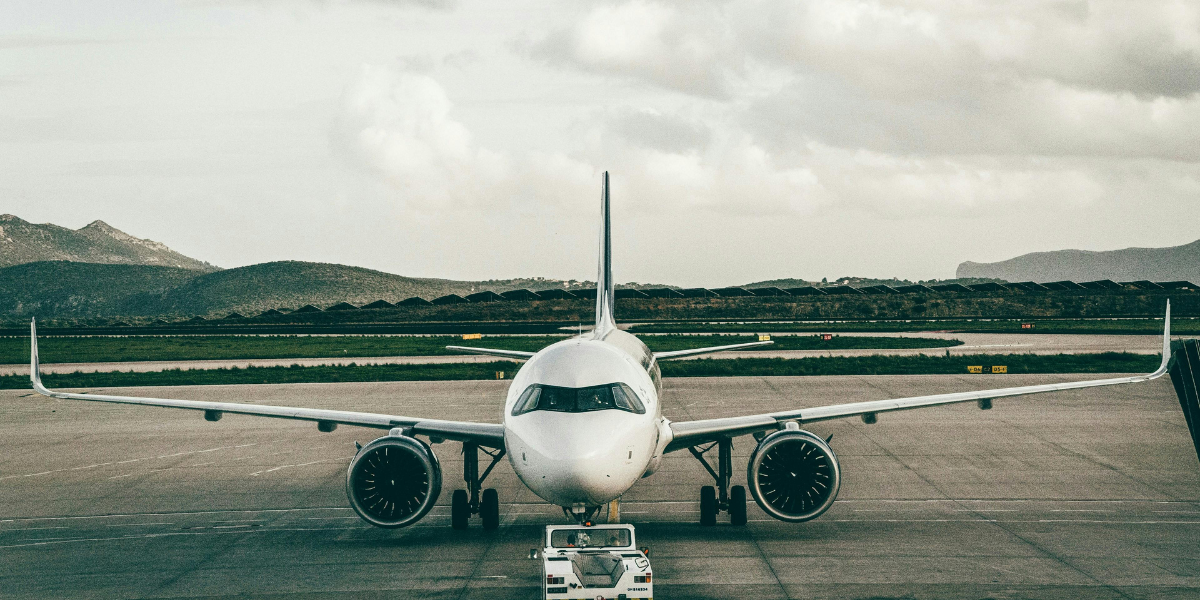
One of the most prominent events this weekend was the closing of Frieze Los Angeles 2026, held at the Santa Monica Airport. The annual contemporary art fair brought together leading international galleries, emerging artists, collectors, and thousands of visitors, reinforcing Los Angeles’ growing reputation as a global arts capital.
This year’s edition featured immersive installations, large-scale sculptures, and cross-disciplinary works that transformed the venue into a vibrant cultural hub. In addition to the main exhibition space, satellite programming extended into galleries across Hollywood, Downtown Los Angeles, and Culver City, encouraging residents to explore different creative districts.
Local arts organizations also benefited from the increased attention, as museums and independent galleries reported strong attendance throughout the weekend. Cultural leaders note that major events like Frieze not only showcase artistic innovation but also generate meaningful economic activity for surrounding neighborhoods, including hospitality, transportation, and retail sectors.
Culinary Expansion at the Original Farmers Market
Los Angeles’ food scene continues to evolve with the upcoming opening of Gott’s Roadside at the historic Original Farmers Market in Beverly Grove. Known for its Northern California roots, the restaurant brings a menu centered on California-inspired roadside classics, including burgers, sandwiches, salads, and shakes.
The Farmers Market, a longstanding L.A. institution, has increasingly blended legacy vendors with new culinary concepts to attract both longtime residents and visitors. Business analysts suggest that high-profile restaurant openings contribute to the sustained vitality of mixed-use retail areas, particularly as foot traffic continues to rebound in key commercial corridors.
The expansion also reflects a broader trend in Los Angeles’ hospitality industry: established regional brands choosing L.A. for strategic growth due to its diverse customer base and strong tourism infrastructure.
Design Community Celebrates Los Angeles
In West Hollywood, leaders from the architecture and design world gathered to celebrate a March issue dedicated to Los Angeles’ creative identity. The event highlighted the city’s resilience and innovation in design, architecture, and community-building efforts.
Industry professionals emphasized how architecture and thoughtful urban planning continue to shape Los Angeles’ future, from adaptive reuse projects in Downtown to residential developments in emerging neighborhoods. These conversations come at a time when housing supply, sustainability, and neighborhood preservation remain central topics across the region.
Such gatherings underscore L.A.’s influence beyond entertainment, reinforcing its status as a global center for design, culture, and creative industries.
Seasonal Preparations and Community Awareness
As spring approaches, local officials across Southern California are preparing for increased tourism and seasonal travel. Coastal communities are implementing enhanced safety measures ahead of anticipated spring break crowds, a move intended to maintain public safety and manage large gatherings responsibly.
While these measures extend beyond Los Angeles city limits, they often impact Angelenos who travel regionally for leisure. Public safety experts note that clear communication and proactive planning are essential during high-traffic periods to ensure safe, enjoyable experiences for residents and visitors alike.
A Snapshot of a City in Motion
Taken together, today’s developments paint a portrait of Los Angeles as a city balancing cultural prominence, economic activity, and community well-being. Major art events strengthen L.A.’s international standing. Restaurant openings reflect continued confidence in the local market. Design and architecture conversations point to long-term planning and civic pride.
For residents, these stories serve as reminders of the interconnected nature of life in Los Angeles. Arts drive tourism. Business growth supports employment. Community planning shapes neighborhood identity. Each development, whether cultural or commercial, contributes to the broader narrative of a city constantly evolving.
As March begins, Los Angeles continues to demonstrate why it remains one of the most influential and multifaceted cities in the country, a place where creativity, commerce, and community intersect daily across its many neighborhoods.