
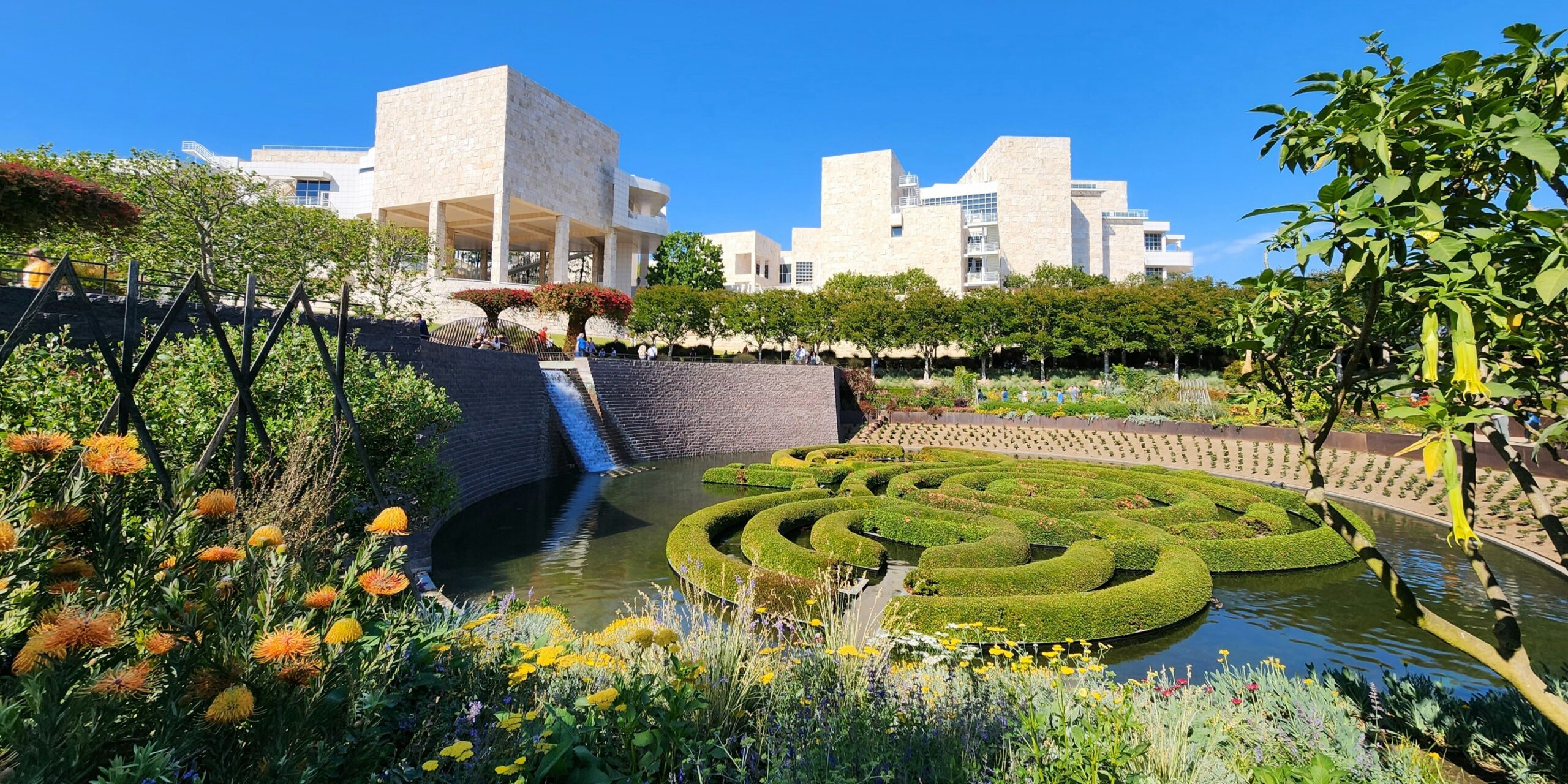
The J. Paul Getty Trust, with its iconic Getty Center in Brentwood and the Getty Villa in Pacific Palisades, is undergoing a quiet yet profound transformation under the leadership of Katherine E. Fleming. The institution, with a substantial endowment of around $9 billion, has always been recognized as a key player in the cultural landscape of Los Angeles. However, Fleming’s vision is steering the Getty toward a more inclusive, community-oriented, and socially conscious future, solidifying its place as a beacon of art, culture, and civic engagement.
Fleming, who took the helm of the Getty in recent years, is leveraging the institution’s considerable financial independence to redefine the ways in which art, culture, and community intersect. At a time when many cultural institutions are grappling with shifting societal expectations and environmental challenges, the Getty is taking bold steps to respond to these changes. This transformation is not just about expanding its collection or enhancing the visitor experience; it’s about reimagining the Getty’s role in the broader cultural and social fabric of Los Angeles and beyond.
One of the most significant changes under Fleming’s leadership is the Getty’s embrace of broader public outreach and civic responsibility. The institution has long been a place where art lovers and scholars could engage with masterpieces, but under its new direction, the Getty is taking a more active role in engaging the wider community. This includes wellness initiatives designed to support the mental and emotional health of visitors, as well as programs that engage local communities in creative practices. The Getty’s new focus on wellness acknowledges the therapeutic potential of art, inviting visitors to not only appreciate works of art but to experience them in ways that promote well-being and healing.
A particularly notable example of this shift is the Getty’s involvement in supporting artists and communities recovering from the catastrophic wildfires that ravaged parts of California in 2025. In the aftermath of such a devastating event, the Getty has become a place of refuge and resilience. The institution has provided resources for artists who were directly affected by the fires, offering funding, space for artistic creation, and an opportunity for these artists to showcase works that reflect their experiences. This initiative underscores the Getty’s commitment to supporting its local community and reinforcing its role as a civic institution with a deep sense of responsibility to its surroundings.
The Getty is also making waves in the realm of art curation, championing exhibitions that are both socially relevant and thought-provoking. One recent example of this is the exhibition of the Guerrilla Girls, an artist collective known for their provocative, politically charged works. The Guerrilla Girls have long used art as a means of challenging societal norms and addressing issues of gender inequality and racism in the art world. However, rather than presenting the exhibition as a purely political statement, the Getty has framed it as an invitation for cultural reflection. Fleming has emphasized that the Getty’s curatorial approach is not about taking political sides, but rather about using art as a tool for dialogue and understanding. This approach aligns with her vision of the Getty as a space where different viewpoints can coexist, allowing visitors to engage with art in ways that transcend partisanship and foster a deeper sense of connection.
In addition to its local initiatives, the Getty has maintained its commitment to global cultural exchange. The institution continues to work closely with museums around the world, collaborating on exhibitions, research, and cultural-preservation efforts. These international partnerships are particularly important in an era of geopolitical uncertainty, where the preservation of cultural heritage and the sharing of knowledge across borders is more vital than ever. Despite the challenges posed by ongoing global conflicts and political unrest, the Getty has remained dedicated to its mission of promoting art and culture on a global scale. This includes supporting international preservation projects, where the Getty’s expertise in conservation and curatorial practices can play a crucial role in safeguarding cultural treasures for future generations.
For Angelenos, the Getty remains a unique space where art, nature, and community come together. The Getty Center, perched atop a hill in Brentwood, is not just an art museum; it is a cultural hub that offers stunning views, beautiful gardens, and a wide array of educational programs. Visitors can explore its expansive collection of art, ranging from European paintings to ancient artifacts, while also enjoying the tranquil surroundings that make the Getty a refuge from the hustle and bustle of the city. The Getty Villa, located in the Pacific Palisades, continues to be a testament to the institution’s commitment to preserving and sharing the art and culture of ancient Greece and Rome.
However, under Katherine Fleming’s leadership, the Getty has become more than just a place to view art; it has become a place for people to connect with one another and with the broader community. The institution is striving to create a more inclusive space where people from all walks of life can engage with art in ways that are meaningful to them. Whether through public programming, community outreach, or collaborative exhibitions, the Getty is positioning itself as a cultural institution that is not only about the art on its walls but also about the people who experience that art.
In many ways, the Getty’s transformation is a reflection of the broader shifts occurring in the art world today. As art institutions face increasing pressure to remain relevant in an ever-changing cultural landscape, the Getty is demonstrating how an institution with a rich history can evolve to meet the needs of modern society. By embracing a more inclusive and socially conscious approach to art, the Getty is setting an example for other cultural institutions that seek to be more than just passive repositories of objects, but active participants in shaping the cultural discourse.
Through Fleming’s leadership, the Getty has proven that it is possible to balance the preservation of art and culture with a commitment to social responsibility, environmental awareness, and community engagement. As the institution moves forward, it will likely continue to evolve and redefine what it means to be a cultural beacon in Los Angeles and beyond. In doing so, it reaffirms the timeless power of art to foster connection, reflection, and understanding, making it an indispensable part of the cultural fabric of the city.
Read Also: https://lanewsdaily.com/los-angeles-iconic-getty-center-celebrates-25-years-with-major-new-exhibits/