
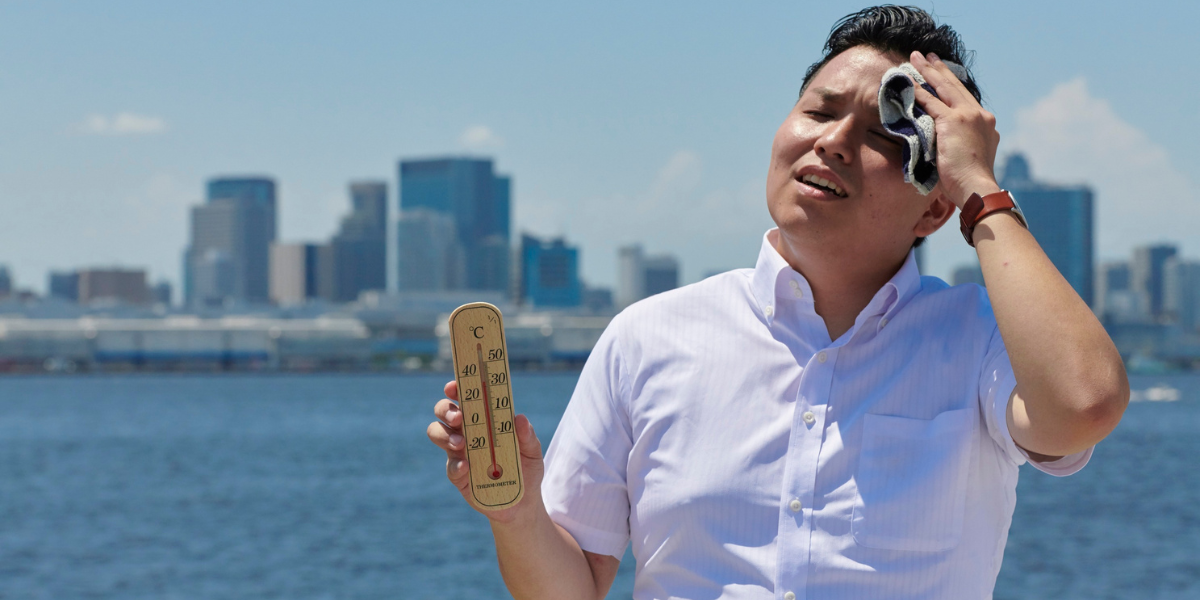
Los Angeles is experiencing an unexpected surge in temperatures this weekend, with record-breaking heat arriving just days after a powerful winter storm drenched much of Southern California. The abrupt shift in weather has prompted local officials to issue public safety reminders as residents adjust from flood preparedness to heat awareness in less than a week.
On Friday, February 27, downtown Los Angeles recorded a high of 91 degrees Fahrenheit, surpassing previous late-February records. Similar temperatures were reported across the San Fernando Valley, Long Beach, Burbank, and Pasadena, where afternoon highs climbed well into the upper 80s and low 90s. These readings are significantly above seasonal averages, which typically hover in the upper 60s to low 70s this time of year.
Meteorologists describe the spike as an unusual but not unprecedented late-winter heat event driven by a strong high-pressure system parked over the region. Clear skies and calm winds have allowed temperatures to rise quickly during daylight hours, while overnight lows have remained relatively mild. Forecasters expect the warmth to continue through the weekend before gradually easing early next week.
The rapid change comes on the heels of a major winter storm that brought heavy rainfall, flash flood warnings, and mountain snowfall to Southern California earlier this week. Several foothill communities were placed under evacuation advisories due to mudslide risks in burn scar areas. Urban flooding impacted roadways and created hazardous driving conditions across Los Angeles County. The stark contrast between storm conditions and near-summer heat has underscored the region’s increasingly volatile weather patterns.
City and county agencies are now focusing on heat-related safety measures. The Los Angeles County Department of Public Health is urging residents to stay hydrated, avoid prolonged outdoor activity during peak afternoon hours, and check on elderly neighbors and vulnerable individuals. Health officials emphasize that even short periods of high temperatures can pose risks, particularly for seniors, young children, and people with underlying medical conditions.
Emergency management teams are also reminding residents never to leave children or pets inside parked vehicles, as interior car temperatures can rise dangerously within minutes. Outreach organizations are expanding efforts to assist unsheltered residents, who face heightened exposure during extreme temperature swings. Cooling centers have not yet been widely activated, but officials say contingency plans are in place if elevated temperatures persist.
The heat wave is also having ripple effects across infrastructure and daily life. Increased electricity demand from air conditioning use has prompted utilities to encourage energy conservation during peak afternoon hours. Public transit officials are monitoring rail lines and bus operations, as extreme heat can affect equipment performance. Parks and recreation programs are advising participants to bring water and sun protection, particularly during youth sports and outdoor community activities.
Local businesses, particularly those in outdoor dining and retail corridors, report a mix of impacts. Some restaurants and cafes are benefiting from increased foot traffic as residents take advantage of sunny conditions, while others are adjusting staffing and shade coverage to ensure customer comfort. Real estate professionals note that prolonged warm weather often brings higher turnout at open houses, though February heat of this magnitude remains atypical.
Climate researchers have long observed that Southern California can experience dramatic weather shifts during transitional seasons. While one isolated event does not define broader climate trends, experts point to increased variability as a characteristic feature of the region’s evolving weather patterns. The combination of heavy precipitation followed by rapid warming can also affect soil stability in hillside areas, making continued monitoring important.
Looking ahead, forecasters anticipate a gradual cooling trend beginning early next week, with temperatures expected to return closer to seasonal norms. Until then, city officials continue to encourage practical precautions and awareness.
For Angelenos, the past week has served as a vivid reminder of Southern California’s dynamic climate, from storm preparedness and flood alerts to sunscreen and hydration within days. As the city navigates these rapid changes, preparedness and community awareness remain essential to ensuring safety across Los Angeles’ diverse neighborhoods.