Los Angeles’ Real Estate Market Shows Resilience Amidst Challenges
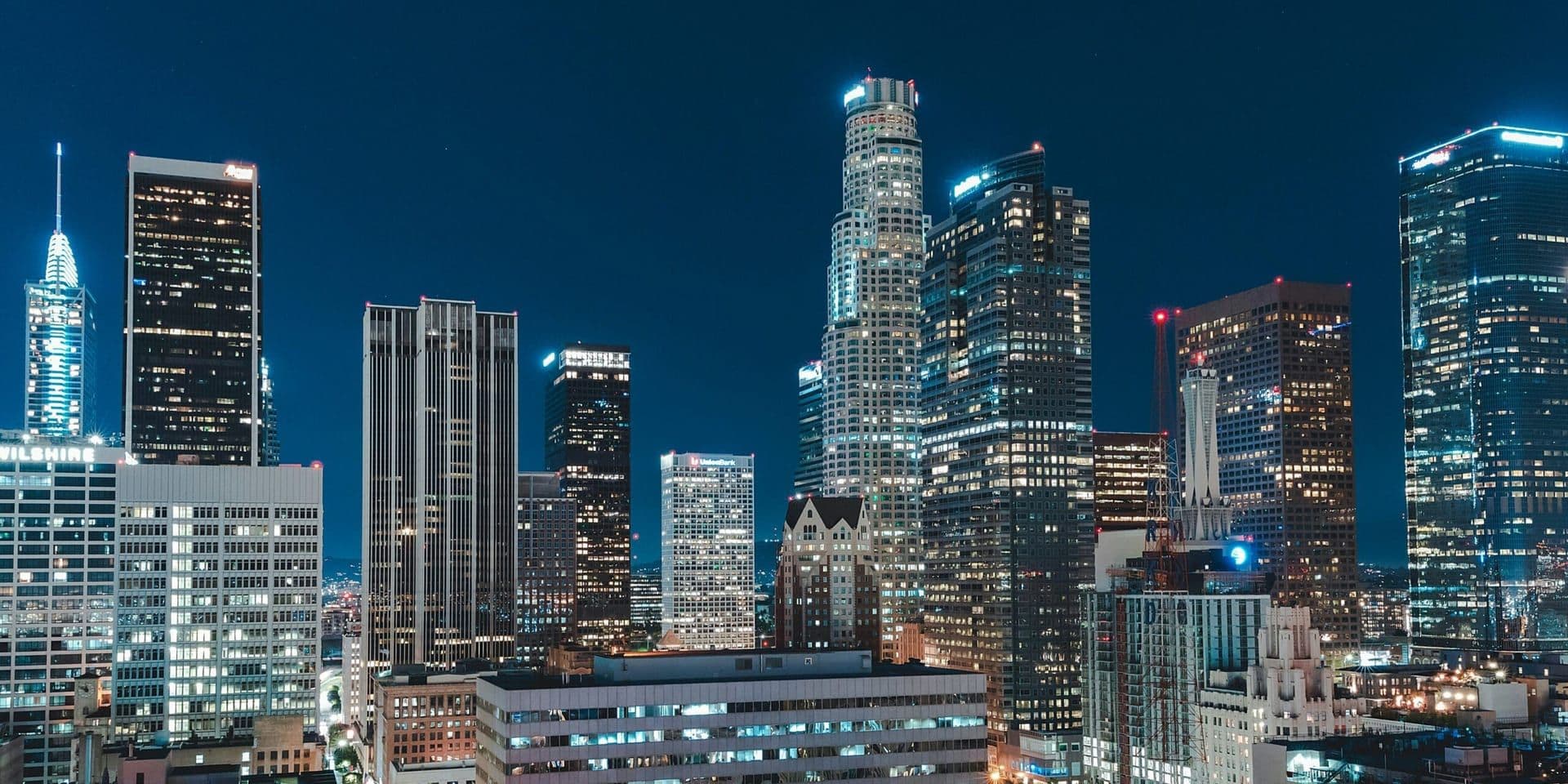
The Los Angeles real estate market in 2025 is a tale of resilience. Despite rising interest rates, limited inventory, and broader economic challenges, the market remains competitive, with demand for housing continuing to exceed supply. In neighborhoods like Brentwood, Santa Monica, and Downtown LA, real estate transactions have remained strong, and new developments are popping up to meet the needs of a growing population. However, changes in buyer behavior, shifts in market trends, and the ongoing affordability crisis are reshaping the landscape of LA’s housing sector.
Stable Home Prices Despite Challenges
One of the most striking features of the 2025 Los Angeles real estate market is the stability of home prices. According to data from the California Association of Realtors, the median home price in Los Angeles County stood at $909,400 in early 2025, which represents a modest increase of 4.6% compared to the previous year. This steady growth indicates that while some buyers are feeling the pressure of higher interest rates, the overall market is adjusting rather than crashing.
One reason for this stability is the ongoing demand for real estate in LA’s most desirable neighborhoods. Despite rising costs, buyers are still flocking to areas like West Hollywood, Venice Beach, and Hollywood Hills, where limited inventory is keeping prices buoyant. In contrast to markets in other parts of the country, where housing prices have stagnated, LA’s high demand—especially for homes in prime locations—has kept the market relatively strong.
Increasing Demand for Suburban and Rural Areas
While the urban core of Los Angeles remains competitive, a noticeable shift is occurring in the suburbs. Many buyers are now seeking homes outside of the city’s dense core in search of better affordability, more space, and access to outdoor amenities. Areas such as Irvine, Palmdale, and Lancaster are seeing an uptick in interest, as remote work continues to influence living preferences.
The migration toward suburban and rural areas has also led to the development of new housing projects, with developers focusing on communities that offer a higher quality of life at a more affordable price point. The availability of new single-family homes, townhomes, and larger lots is giving buyers more options, though some areas are struggling with a lack of available land to build.
Impact of Limited Inventory and Investor Activity
One of the persistent challenges facing the Los Angeles real estate market is the limited inventory of homes for sale. As of mid-2025, the number of homes on the market in LA is still historically low, with inventory levels hovering around 2-3 months, which is significantly lower than the balanced 6-month supply typically seen in more stable markets.
This shortage of homes has been exacerbated by the increase in investor activity. With the stock market’s volatility and low returns in traditional investments, many investors are turning to real estate as a more secure investment option. In areas like West LA and Downtown LA, investors are buying up properties to turn into rental units, further reducing the number of available homes for first-time buyers.
How Buyers and Sellers Are Adapting
In response to the ongoing inventory shortage, buyers are adapting by adjusting their expectations and becoming more flexible with their home search criteria. In some neighborhoods, it’s not uncommon for properties to receive multiple offers within hours of being listed, which means buyers need to act quickly and be prepared to make competitive offers.
For sellers, the market still presents opportunities, particularly for those who own homes in high-demand areas. However, the rising cost of borrowing is pushing some potential sellers to reconsider putting their homes on the market. With interest rates steadily climbing, some homeowners who may have otherwise considered selling are holding onto their properties, especially if they have locked in low-interest mortgages.
Looking Ahead: The Future of the LA Housing Market
The future of Los Angeles’ real estate market depends on a variety of factors, from interest rates to broader economic conditions. However, one thing remains clear: the demand for housing in LA is unlikely to disappear. As the city’s population continues to grow and the tech sector expands, the need for housing—especially affordable housing—will only increase.
Local government efforts to promote development in suburban areas, as well as new housing policies aimed at increasing supply, will help address some of the pressures in the market. However, much more needs to be done to tackle the affordability crisis head-on.
In the long run, the Los Angeles real estate market will continue to be shaped by a complex set of factors, including urban development trends, the affordability crisis, and changing buyer behaviors. But for now, the market remains resilient, with opportunities for both buyers and sellers who are willing to navigate the challenges.

LA News Daily Contributor
This article features partner, contributor, or branded content from a third party. Members of the LA News Daily editorial staff were not involved in the creation of this content. All views and opinions are those of the contributor alone.
previous post
The Poetry of Goran Rahim: Love Across Worlds