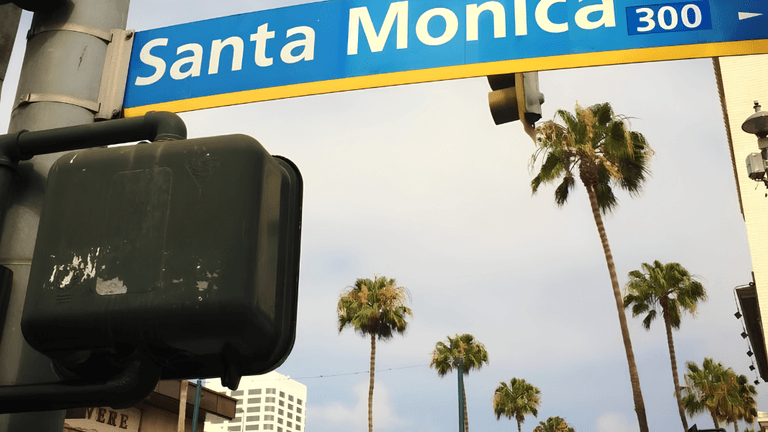
Los Angeles Real Estate Market Shows Resilience Amid Economic Uncertainty
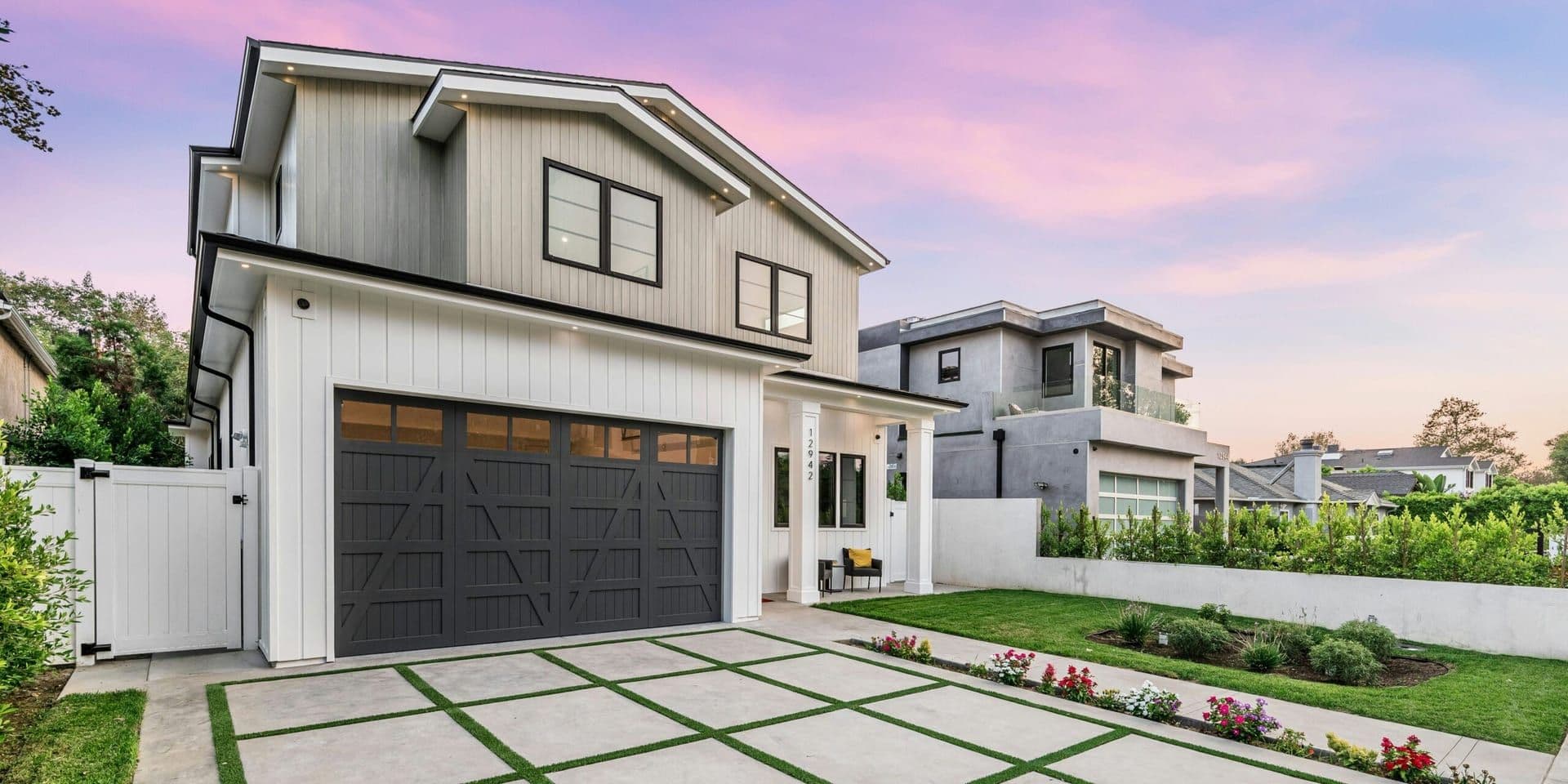
The Los Angeles real estate market in 2025 continues to defy national trends, exhibiting remarkable resilience despite broader economic challenges. While many parts of the United States have experienced slowdowns in their housing markets, Los Angeles has shown continued growth, albeit at a more moderate pace. In this article, we’ll explore why the market remains resilient, despite various headwinds, and what this means for homebuyers, sellers, and the overall business landscape.
The State of the Market in 2025: A Balancing Act
As of mid-2025, the Los Angeles real estate market has experienced a steady increase in home prices, driven largely by low inventory and continued demand. According to recent data from the California Association of Realtors (C.A.R.), the median home price in Los Angeles County has risen by 4.5% year-over-year, bringing the price to approximately $950,000. While this is a more modest increase than in previous years, it remains a positive sign of stability in an otherwise volatile market.
The market’s resilience is particularly noteworthy in the context of the broader economic environment. Nationwide, housing markets have slowed due to rising interest rates, economic uncertainty, and inflation concerns. However, Los Angeles has continued to see strong demand, particularly in high-demand neighborhoods such as Beverly Hills, Santa Monica, and downtown LA.
Factors Contributing to Resilience
Several key factors contribute to Los Angeles’ ability to weather economic uncertainty and maintain its status as one of the most desirable housing markets in the country.
Low Inventory: One of the most significant factors driving home prices in Los Angeles is the continued shortage of available housing. In 2025, the inventory of homes for sale in the city remains historically low, which has placed upward pressure on prices. Builders are struggling to keep up with demand, particularly in high-density urban areas, due to regulatory hurdles and the high cost of construction.
Demand from Tech and Entertainment Industries: Los Angeles continues to be a magnet for talent in both the tech and entertainment sectors, which has contributed to the demand for housing. Tech companies are flocking to the region, particularly in areas such as Silicon Beach, which encompasses Venice, Santa Monica, and Culver City. Meanwhile, the entertainment industry remains a cornerstone of the local economy, with Hollywood continuing to attract global talent.
The Impact of Foreign Investment: Los Angeles remains a prime location for foreign investors, particularly from Asia and Europe. The city’s appeal as a global cultural and business hub, combined with relatively low interest rates in the commercial real estate market, makes it an attractive investment destination. Foreign capital has helped support high-end residential and commercial developments, particularly in the city’s luxury real estate segment.
Remote Work Trends: The pandemic-driven rise of remote work has had a significant impact on the Los Angeles housing market. Many high-income earners who previously lived in more expensive urban areas have sought larger homes in suburban neighborhoods, particularly in areas like Calabasas, Pasadena, and the San Fernando Valley. This shift in living preferences has contributed to increased demand in these regions, leading to price increases outside traditional hotspots.
Challenges Facing the Market
Despite its resilience, the Los Angeles real estate market is not without its challenges. The rapid rise in home prices has made homeownership increasingly unaffordable for many residents, particularly first-time buyers. The median price of a home in Los Angeles is significantly higher than the national average, placing significant strain on buyers who are struggling to gather down payments and secure financing.
Additionally, rising interest rates have added to the burden, with the average 30-year fixed mortgage rate hovering around 5.2% in June 2025. This is a significant increase from the near-record lows seen during the pandemic, which has made it more difficult for buyers to afford homes. As a result, some potential buyers are being priced out of the market or forced to reconsider their purchasing decisions.
The Commercial Real Estate Landscape
While the residential real estate market remains strong, the commercial real estate market in Los Angeles is experiencing a period of flux. The demand for office space has been impacted by the growing trend of remote work, with many businesses downsizing or rethinking their office requirements. However, certain sectors, such as tech and creative industries, continue to expand and occupy new office spaces in areas like Silicon Beach.
Retail real estate is also undergoing a transformation, as e-commerce continues to dominate the market. Many brick-and-mortar stores are downsizing or closing altogether, but there has been a rise in demand for experiential retail spaces that combine entertainment, dining, and shopping in unique ways. This trend has led to the development of new mixed-use spaces in popular areas like Downtown LA and Hollywood.
Looking Ahead: The Future of Los Angeles Real Estate
As Los Angeles enters the second half of 2025, the outlook for the real estate market remains cautiously optimistic. While the challenges of affordability and interest rates persist, the underlying demand for housing, combined with the city’s attractiveness as a business hub, should continue to support long-term growth. Experts predict that, despite some cooling in home price increases, the Los Angeles real estate market will remain one of the most sought-after in the country, making it a strong investment for those who can navigate the challenges.

LA News Daily Contributor
This article features partner, contributor, or branded content from a third party. Members of the LA News Daily editorial staff were not involved in the creation of this content. All views and opinions are those of the contributor alone.