Los Angeles Mayor Karen Bass Unveils New Housing Plan to Combat Homelessness
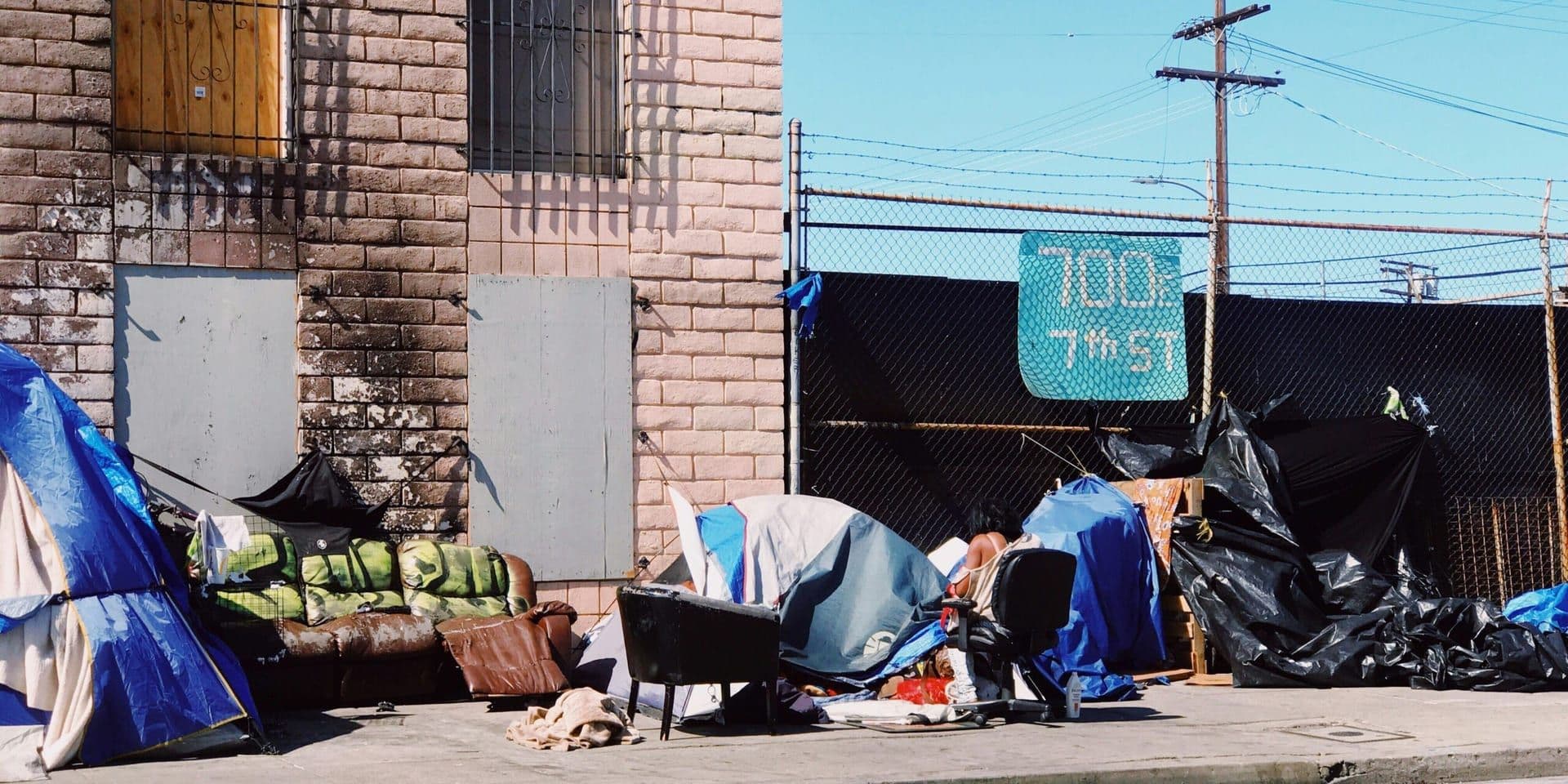
On June 11, 2025, Los Angeles Mayor Karen Bass unveiled an ambitious new housing plan aimed at tackling the city’s ongoing homelessness crisis. The comprehensive proposal, which comes at a time of rising rents and stagnant wages in California, is designed to provide permanent housing for thousands of homeless individuals while also addressing the underlying causes of homelessness.
The new plan, titled “Housing for All Angelenos,” is a direct response to the growing homelessness crisis in Los Angeles, which has seen the number of people experiencing homelessness rise steadily over the past decade. As of 2025, it is estimated that over 66,000 people are living on the streets of Los Angeles County, a number that has spiked in recent years due to a combination of factors, including rising housing costs, mental health issues, and drug addiction.
Key Elements of the Plan: Housing and Services for All
The centerpiece of Mayor Bass’s proposal is the construction of 30,000 new affordable housing units by 2030. These units will be spread throughout the city in neighborhoods that are currently underdeveloped or experiencing gentrification. The initiative aims to address the shortage of affordable housing in the city, which has been a major contributing factor to the rise in homelessness.
In addition to housing, the plan includes a series of wraparound services designed to support individuals transitioning out of homelessness. These services include mental health counseling, addiction treatment, job training, and financial literacy programs. Mayor Bass emphasized that providing housing alone is not enough—homeless individuals need comprehensive support to reintegrate into society successfully.
“We need to do more than just build homes,” Mayor Bass said in a statement. “We need to create an ecosystem of support to help people rebuild their lives with dignity.”
Zoning Reforms and Public-Private Partnerships
To facilitate the rapid development of affordable housing, the plan includes zoning reforms that will streamline the approval process for new housing projects. These reforms will reduce bureaucratic delays and create incentives for developers to build affordable housing in high-demand areas, where housing shortages are most acute.
In addition to public funding, the plan calls for increased collaboration with private developers. Public-private partnerships are expected to contribute significantly to the construction of the new housing units. Bass’s office has already secured commitments from several major developers, who have pledged to invest in affordable housing projects across the city.
The plan also includes the conversion of vacant and underutilized properties, such as old motels and office buildings, into affordable housing. This move is designed to expedite the process of creating livable spaces for homeless individuals while also revitalizing neighborhoods that have been left behind in Los Angeles’s ongoing development boom.
The Role of Community and Local Stakeholders
A crucial aspect of the proposal is its emphasis on community involvement. Mayor Bass’s office has reached out to local advocacy groups, nonprofit organizations, and homeless service providers to ensure that the plan addresses the needs of the people it is designed to help. This inclusive approach has garnered widespread support from both local leaders and residents, many of whom have expressed frustration with the slow pace of progress in addressing homelessness.
“We’re at a critical moment,” said David C. Price, a housing advocate with the Los Angeles Homelessness Coalition. “This plan represents a step forward, and we need to keep pushing for bold solutions like this one.”
Challenges and Criticism
Despite the optimism surrounding the plan, there are concerns about how the city will fund the proposal. Los Angeles is facing a budget shortfall, and critics argue that the plan may be overly ambitious given the current financial constraints. However, Bass’s office has assured the public that the city will seek additional state and federal funding, as well as private investments, to help cover the costs of the new initiatives.
There are also concerns about the potential for gentrification. As affordable housing is built in areas experiencing rapid development, some residents worry that rising property values could displace low-income communities. Mayor Bass has acknowledged these concerns, promising to include protections against displacement as part of the plan.
Looking Forward: A City’s Commitment to Ending Homelessness
Mayor Bass’s housing plan represents a bold vision for Los Angeles’s future, one where homelessness is significantly reduced and affordable housing is accessible to all Angelenos. While there will undoubtedly be challenges ahead, the plan marks a crucial step toward addressing the city’s homelessness crisis. With continued support from community organizations, local businesses, and city residents, this initiative has the potential to change the lives of thousands of individuals experiencing homelessness and help build a more equitable city for all.

LA News Daily Contributor
This article features partner, contributor, or branded content from a third party. Members of the LA News Daily editorial staff were not involved in the creation of this content. All views and opinions are those of the contributor alone.