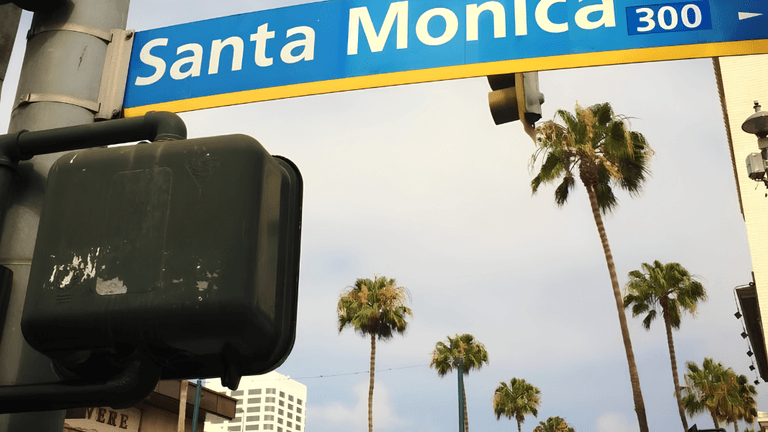
Los Angeles Marathon 2026 Draws Tens of Thousands, Showcasing Citywide Unity and Economic Impact
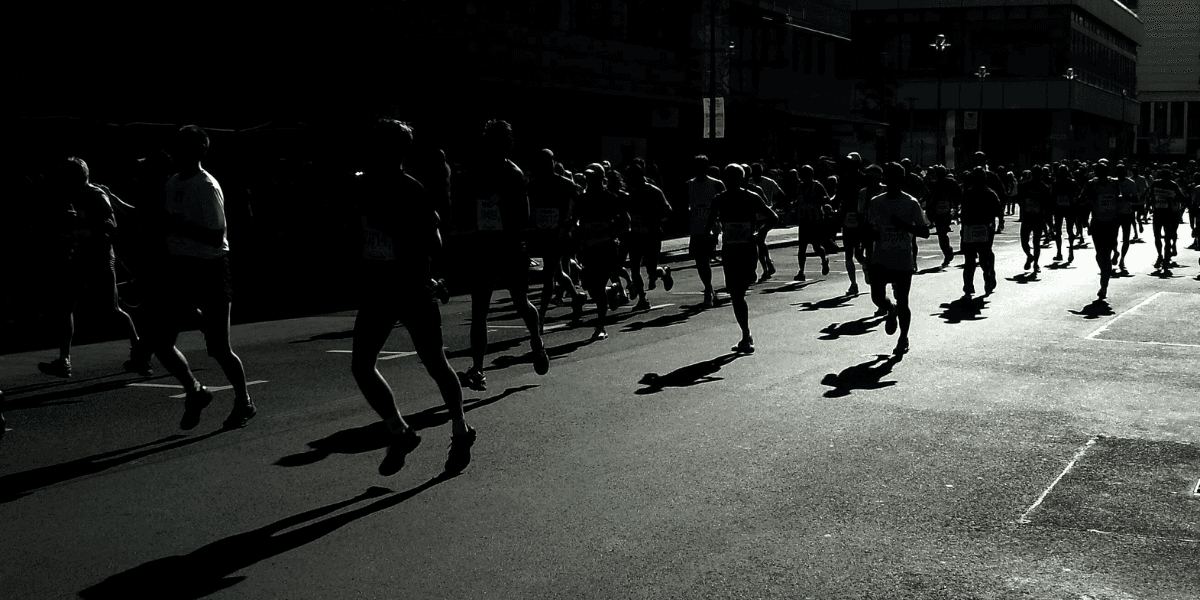
On March 28, 2026, thousands of runners took to the streets of Los Angeles for the annual Los Angeles Marathon, one of the city’s largest and most anticipated community events. The race, which spans more than 26 miles from Dodger Stadium to Century City, brought together elite athletes, amateur runners, and spectators in a celebration of endurance, community spirit, and civic pride.
Organized by The McCourt Foundation, the 2026 marathon saw participation numbers comparable to pre-pandemic levels, with over 25,000 registered runners. The event also attracted tens of thousands of spectators lining major streets and neighborhoods, creating a vibrant atmosphere across the city.
A Landmark Event for the City
The Los Angeles Marathon is widely recognized as a cornerstone of the city’s annual events calendar. This year’s race followed the traditional “Stadium to the Stars” route, guiding participants through iconic neighborhoods including Chinatown, Hollywood, Beverly Hills, and Westwood. The course offers not only a physical challenge but also a unique cultural tour of Los Angeles’ diverse communities.
City officials emphasized the importance of the marathon as both a sporting event and a community unifier. According to organizers, the race required coordination across multiple city departments, including transportation, public safety, and sanitation services, ensuring a safe and smooth experience for participants and residents alike.
Elite Performances and Community Participation
The 2026 race featured competitive fields in both the men’s and women’s divisions, with international athletes competing alongside top American runners. While final official times are still being confirmed, early reports indicate strong performances, with several runners finishing under the 2-hour and 10-minute mark in the men’s category and competitive sub-2:30 finishes in the women’s division.
Beyond elite competition, the marathon remains deeply rooted in community participation. Thousands of runners took part through charity programs, raising funds for nonprofit organizations focused on health, education, and social services. The marathon’s charity partnerships have historically generated millions of dollars in donations, and organizers expect similar outcomes this year.
Economic Impact Across Los Angeles
Local businesses across Los Angeles experienced a noticeable boost in activity during marathon weekend. Hotels reported high occupancy rates, while restaurants and retail establishments along the race route saw increased foot traffic.
According to estimates from previous years, the Los Angeles Marathon contributes tens of millions of dollars to the local economy. This includes direct spending from visitors, as well as indirect benefits to service industries. The 2026 event is expected to follow this trend, reinforcing the marathon’s role as an economic driver for the city.
Small businesses in neighborhoods along the route particularly benefited, with many offering promotions and extended hours to accommodate spectators and participants. City officials highlighted the event as an example of how large-scale community activities can support local economic recovery and growth.
Transportation and Public Services
The scale of the marathon required extensive planning to manage road closures and public transit adjustments. The Los Angeles Department of Transportation implemented a comprehensive traffic management plan, including detours and real-time updates for residents.
Public transit systems, including buses and rail services, operated on modified schedules to ensure accessibility while accommodating the race route. Officials encouraged residents to use public transportation where possible, helping to reduce congestion in affected areas.
Emergency services were also strategically positioned along the course, with medical tents and hydration stations available for runners. Organizers reported that safety protocols were successfully executed, with minimal incidents during the event.
Cultural and Community Significance
Beyond athletics, the Los Angeles Marathon continues to serve as a cultural showcase. Live entertainment, cheer zones, and community groups added energy to the route, reflecting the city’s diversity and creativity.
Neighborhood organizations and volunteers played a key role in supporting runners, handing out water, snacks, and encouragement. For many participants, the marathon is not only a physical challenge but also a personal milestone, with stories of perseverance and achievement emerging throughout the day.
Key Takeaways
- Community Engagement: The event brings together residents from all backgrounds, fostering a sense of unity and shared experience.
- Economic Contribution: Local businesses benefit significantly from increased tourism and activity.
- Public Coordination: Successful execution demonstrates effective collaboration among city agencies and organizers.
- Health and Wellness: The marathon promotes physical fitness and encourages active lifestyles among participants and spectators alike.
As Los Angeles continues to host large-scale events, the marathon stands as a model for how sports, community, and economic development can intersect. With strong participation and positive outcomes reported, the 2026 race reinforces its status as one of the city’s most impactful annual traditions.

LA News Daily Contributor
This article features partner, contributor, or branded content from a third party. Members of the LA News Daily editorial staff were not involved in the creation of this content. All views and opinions are those of the contributor alone.