Los Angeles Launches Major Downtown Arts Revitalization Initiative Amid Growing Cultural Investment
Los Angeles city officials, business leaders, and arts organizations announced a major downtown cultural revitalization initiative on May 14, 2026, aimed at expanding public arts programming, supporting local creative businesses, and increasing tourism activity across several historic districts in the city. The project, which includes new gallery spaces, public art installations, performance venues, and infrastructure improvements, represents one of the largest coordinated arts-focused development efforts in Los Angeles in recent years.
The initiative centers primarily on the Downtown Los Angeles Arts District, Little Tokyo, and portions of the Historic Core, where city planners and cultural organizations are working together to strengthen the region’s role as a major destination for arts, entertainment, and creative entrepreneurship. Officials stated that the multi-phase project is expected to roll out over the next several months, with several programs and public events beginning immediately.
City representatives said the revitalization effort is designed to support both cultural preservation and economic growth. Los Angeles remains one of the nation’s most influential creative economies, with industries such as film, music, design, digital media, and visual arts contributing significantly to regional employment and tourism revenue.
According to organizers, the May 14 announcement includes partnerships between local government agencies, nonprofit arts institutions, private developers, and community organizations. Planned developments include expanded outdoor event spaces, restoration of historic cultural landmarks, and grants for independent artists and small creative businesses affected by economic disruptions in recent years.
The initiative arrives at a time when many major U.S. cities are investing heavily in arts and cultural infrastructure to encourage downtown activity and attract visitors back to urban centers. Los Angeles officials emphasized that arts districts can play a critical role in economic recovery by supporting restaurants, retail businesses, hotels, entertainment venues, and transportation services.
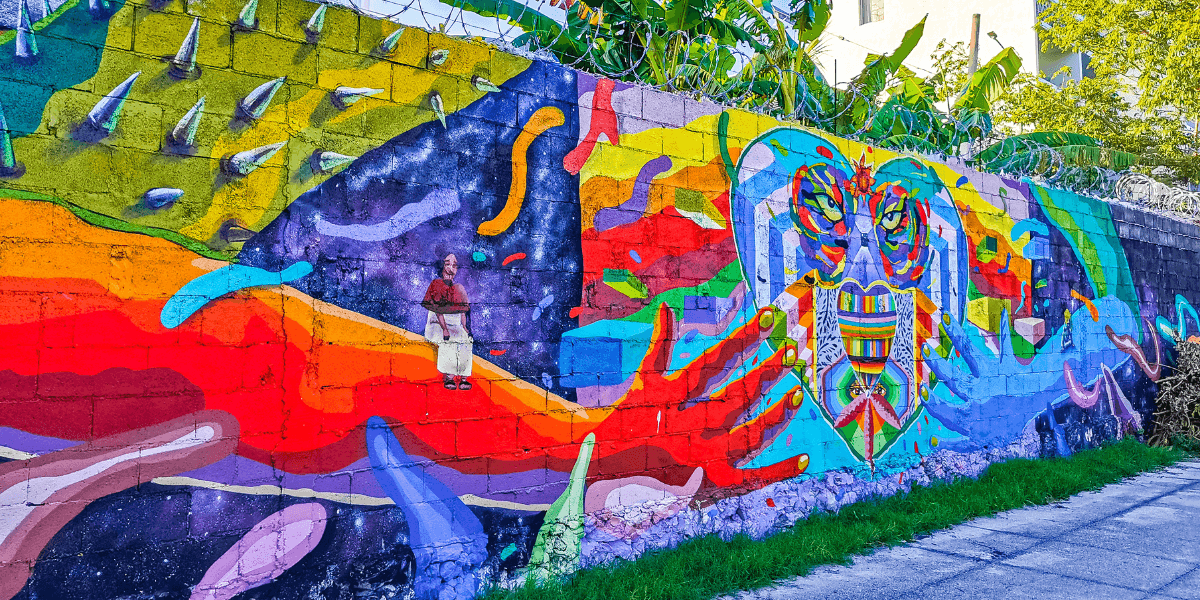
One of the project’s key components involves the creation of new public art corridors throughout downtown neighborhoods. These installations are expected to feature work from local and international artists, highlighting the city’s cultural diversity and creative identity. Organizers say several large-scale murals, interactive exhibits, and digital media displays are already scheduled for installation later this year.
The revitalization plan also includes expanded support for live performances and independent productions. Local theater groups, music venues, and arts nonprofits are expected to receive operational assistance and promotional support through collaborative city programs. Leaders in the entertainment industry have expressed support for initiatives that create more opportunities for emerging artists and community-based creative projects.
Business leaders note that cultural development projects increasingly serve as economic catalysts for urban areas. Studies from tourism and development organizations have consistently shown that arts-focused districts can increase foot traffic, stimulate local spending, and improve long-term investment interest in surrounding neighborhoods.
Los Angeles tourism officials said the city has continued seeing strong visitor interest in cultural attractions, including museums, live events, film-related experiences, and public festivals. The latest initiative aims to strengthen Los Angeles’ reputation as a global creative capital while offering residents expanded access to arts programming throughout the year.
Community organizations involved in the project emphasized the importance of preserving neighborhood identity amid redevelopment efforts. Several groups highlighted plans to prioritize partnerships with longtime local artists, cultural institutions, and small independent businesses to ensure that development remains community-focused.
Urban development experts say Los Angeles faces unique opportunities because of its established global influence in entertainment and creative industries. Unlike many cities attempting to build new cultural sectors, Los Angeles already benefits from internationally recognized creative infrastructure, talent networks, and media production capabilities.
At the same time, planners acknowledged ongoing challenges related to affordability, infrastructure demands, and balancing modernization with preservation. Officials stated that several components of the revitalization plan include pedestrian improvements, expanded public transit accessibility, and sustainability-focused design features intended to improve the visitor experience while supporting long-term urban planning goals.
The project has also attracted attention from commercial real estate analysts, who view arts-driven redevelopment as an increasingly influential factor in property investment and business attraction strategies. Mixed-use developments connected to cultural districts have become more common in major metropolitan areas seeking to create walkable, experience-oriented urban environments.
Arts educators and nonprofit leaders say expanded cultural investment can also create educational and workforce opportunities for younger residents interested in creative careers. Several planned programs include youth workshops, public exhibitions, and collaborative partnerships with local schools and universities.
The timing of the initiative aligns with a broader national trend toward experiential tourism and community-centered entertainment. Travelers increasingly seek destinations that combine cultural experiences, local identity, dining, entertainment, and public events within accessible urban neighborhoods.
As Los Angeles continues preparing for several globally significant events scheduled over the next few years, including major international sporting and entertainment activities, city officials say strengthening downtown cultural infrastructure remains an important long-term priority.
The May 14 announcement signals growing confidence in Los Angeles’ recovery and future growth within the arts and culture sector. For residents, business owners, and creative professionals, the initiative represents both an economic development strategy and a renewed investment in the city’s cultural identity.
Industry observers believe the success of the revitalization effort could influence future urban development projects throughout Southern California, particularly as cities increasingly recognize the role of arts, creativity, and cultural engagement in shaping modern urban economies.

LA News Daily Contributor
This article features partner, contributor, or branded content from a third party. Members of the LA News Daily editorial staff were not involved in the creation of this content. All views and opinions are those of the contributor alone.