Los Angeles Commercial Real Estate Market Shows Strong Rebound in 2025 Amid Surge in Demand
The commercial real estate market in Los Angeles has made a significant comeback as of mid-2025, reflecting a surge in demand and rising property values across multiple sectors. This rebound, which began to take shape earlier in the year, is largely attributed to a variety of key factors: a resurgence in business activity, population growth, and heightened investment from both domestic and international buyers.
Following the economic disruptions caused by the COVID-19 pandemic and subsequent market volatility, the city’s commercial real estate sector is now showing signs of stabilization and growth. The latest report from CBRE Group, a leading commercial real estate services firm, highlights a 12% increase in leasing activity for office and industrial spaces during the second quarter of 2025 when compared to the same period in 2024. This uptick suggests that businesses are re-establishing themselves, expanding into new spaces, and adjusting to a shifting economic landscape. The recovery in the real estate market parallels broader economic trends, as many sectors adjust to a post-pandemic world.
One of the standout performers in this recovery has been the industrial sector. Tech giants, e-commerce firms, and logistics companies have been aggressively securing warehouse and distribution space across the city. As online retail and logistics operations remain vital to the region’s economic engine, the demand for such spaces is expected to continue throughout the year. The tech sector’s reliance on these facilities for distribution and fulfillment operations has been a major driver in Los Angeles’ industrial market growth.
Another key factor contributing to the recovery has been the resurgence of demand for office spaces, particularly in downtown Los Angeles. Over the past several months, leasing activity in prime office locations has increased substantially as companies, eager to return to physical office environments, seek modern, centrally located spaces to accommodate their workforce. Downtown LA, which had seen significant disruptions in leasing activity during the pandemic, is now seeing renewed interest, with some of the city’s largest office buildings becoming increasingly competitive in terms of rental rates. This uptick is partly due to the shift back to hybrid and in-person work models, as businesses seek to establish an appealing office environment that attracts employees in a post-remote world.
The ongoing revitalization of downtown LA’s urban core has played a pivotal role in this recovery. Neighbourhoods such as the Arts District and South Park are undergoing extensive redevelopment, transforming these areas into vibrant, mixed-use hubs that blend business, residential, and leisure spaces. Companies are particularly keen on positioning themselves in these walkable, desirable areas to attract talent. These regions have become focal points for mixed-use developments that integrate high-end office spaces with residential units, retail, and cultural amenities, thus creating dynamic urban environments. These developments not only provide businesses with spaces to grow but also contribute to the city’s broader urban renewal efforts.
The residential side of the commercial market is also seeing strong activity, with new apartments and condominiums being built in these revitalized neighborhoods. These mixed-use developments are designed to cater to the changing preferences of employees and residents alike, who now seek proximity to work, entertainment, and public transportation in an increasingly dense urban environment.
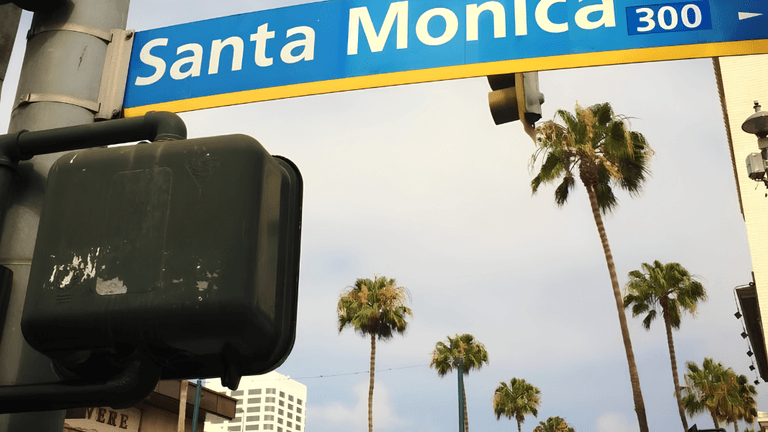
Moreover, the commercial real estate boom has extended beyond office and industrial spaces. Analysts expect further growth in hospitality and retail sectors as consumer spending continues to rise. With the easing of pandemic-related restrictions, travel has rebounded, increasing demand for hotel spaces and leisure destinations throughout the city. The surge in travel and tourism is expected to be a major factor in the continued recovery of LA’s hospitality market, particularly in prime locations like Santa Monica, Hollywood, and downtown LA.
Retail spaces are also benefiting from an uptick in consumer activity. As shopping habits evolve and retail businesses adapt to the post-pandemic landscape, there has been a noticeable increase in the demand for experiential retail environments, often located in high-traffic, mixed-use areas. This includes high-end retail centers, flagship stores, and businesses that offer in-person experiences alongside e-commerce options.
Looking ahead, real estate experts are optimistic about the future of Los Angeles’ commercial real estate market. They predict that the upward trend in leasing activity and investment will likely continue throughout the remainder of 2025. With sustained demand in sectors like technology, e-commerce, hospitality, and retail, the city’s commercial real estate market is poised for further expansion. The recovery represents not only a return to pre-pandemic levels but also a new era of growth driven by innovation, changing consumer preferences, and a shift toward more sustainable and mixed-use developments.
In summary, the commercial real estate rebound in Los Angeles signals a strong and optimistic outlook for the city’s economy. As businesses continue to adjust to the evolving economic landscape, LA’s real estate market stands as a testament to the city’s resilience and adaptability. With further investments expected across a range of sectors, the momentum of this recovery is likely to carry through the remainder of 2025 and beyond, positioning Los Angeles as a key player in the national commercial real estate market.

LA News Daily Contributor
This article features partner, contributor, or branded content from a third party. Members of the LA News Daily editorial staff were not involved in the creation of this content. All views and opinions are those of the contributor alone.