Los Angeles Commercial Real Estate Market Shows Signs of Recovery Amid Major Downtown Redevelopment Activity

Los Angeles’ commercial real estate sector showed renewed momentum on May 13, 2026, as developers, investors, and city planners announced several major redevelopment projects aimed at revitalizing key business districts across Downtown Los Angeles and surrounding neighborhoods. The developments reflect broader efforts to adapt office, retail, and mixed-use properties to changing economic and workforce trends shaping Southern California.
The latest announcements come during a transitional period for the Los Angeles real estate market, which has faced significant challenges over the past several years due to shifting workplace habits, rising construction costs, and changing consumer behavior. Despite those obstacles, developers and business leaders are increasingly investing in adaptive reuse projects and mixed-use developments designed to attract both businesses and residents back to urban centers.
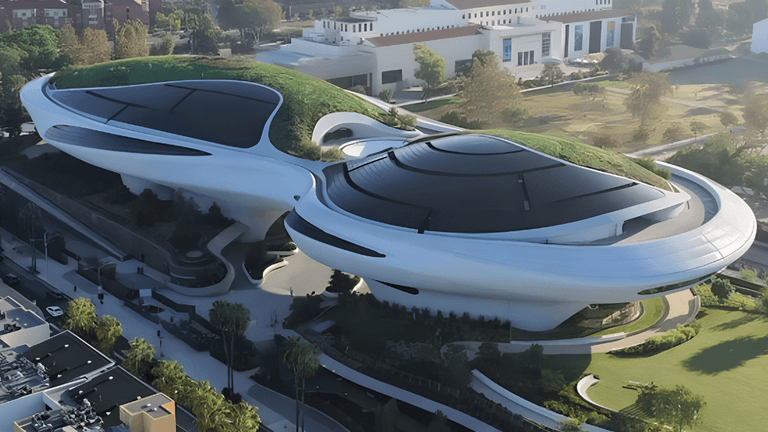
Among the most closely watched projects is a large-scale redevelopment initiative in Downtown Los Angeles that will convert older commercial office properties into residential and mixed-use spaces. City officials and developers say the effort is intended to address growing demand for housing while simultaneously increasing activity in areas affected by reduced office occupancy rates.
Industry analysts say Los Angeles is becoming one of the leading examples of how major U.S. cities are rethinking commercial real estate strategies following years of remote and hybrid work expansion. Traditional office demand has changed considerably since the early 2020s, prompting property owners to pursue more flexible development models that combine residential units, retail businesses, entertainment venues, and public gathering spaces.
Developers involved in the projects noted that mixed-use environments are increasingly viewed as essential for creating economically sustainable urban districts. Rather than relying heavily on office workers alone, many new developments are being designed to support around-the-clock activity through residential living, dining, cultural attractions, and community-centered spaces.
Economic experts say the shift reflects changing preferences among both businesses and consumers. Companies are prioritizing flexible office arrangements and locations that provide employees with convenient access to transportation, housing, restaurants, and entertainment. At the same time, younger professionals are showing growing interest in walkable neighborhoods that combine work and lifestyle amenities.
The redevelopment activity is also expected to generate construction jobs and stimulate local economic growth throughout the region. Real estate consultants estimate that billions of dollars in long-term investment could flow into Downtown Los Angeles over the next several years if redevelopment projects continue progressing at their current pace.
Local business organizations welcomed the announcements, emphasizing the importance of restoring foot traffic and commercial activity in urban districts that experienced economic slowdowns during recent years. Restaurant owners, retailers, and hospitality businesses have been particularly affected by reduced downtown office occupancy and shifting commuter patterns.
Several projects announced this week include sustainability-focused features such as energy-efficient building systems, expanded public transit accessibility, rooftop green spaces, and environmentally conscious construction methods. Developers say sustainability considerations are increasingly important to both investors and tenants evaluating long-term property decisions.
Urban planning experts believe Los Angeles may serve as a national model for adaptive commercial redevelopment if the projects prove successful. Similar efforts are underway in other major American cities where older office buildings are being repurposed to meet evolving housing and economic needs.
Housing affordability remains a central issue in Los Angeles, and some officials hope that office-to-residential conversion projects could help increase housing supply in densely populated areas. However, experts caution that redevelopment alone is unlikely to fully solve the city’s long-term affordability challenges without broader policy coordination and infrastructure investment.
Transportation access also remains a major factor influencing development decisions. Several announced projects are located near Metro transit corridors, reflecting efforts to encourage transit-oriented development and reduce dependence on automobile commuting. Urban planners say integrating housing, workplaces, and transportation infrastructure will play a critical role in the city’s future growth strategy.
Commercial real estate investors are closely monitoring how financial conditions may affect redevelopment efforts moving forward. Interest rates, construction financing costs, and inflation continue to influence project timelines and investment decisions nationwide. Even so, many analysts believe Los Angeles remains an attractive long-term market due to its population size, economic diversity, and global business connections.
The entertainment and technology industries are also contributing to evolving real estate demand in the region. Companies in media production, digital content creation, and technology services continue expanding their presence across parts of Los Angeles County, creating demand for creative office environments and collaborative workspaces.
Community leaders have stressed the importance of balancing economic development with neighborhood preservation and accessibility. Some residents have raised concerns about displacement and rising living costs associated with major redevelopment activity. City officials say community engagement and responsible planning will remain priorities as projects move forward.
For local residents, the renewed investment signals growing confidence in Los Angeles’ long-term economic future despite ongoing market uncertainties. Business groups argue that revitalized downtown districts could improve tourism, strengthen local commerce, and support broader economic recovery efforts throughout Southern California.
The announcements made on May 13 highlight how Los Angeles is adapting to broader national changes in work, housing, and urban development. Rather than relying solely on traditional commercial office models, developers and city leaders are increasingly pursuing flexible, mixed-use strategies designed to meet modern economic and lifestyle demands.
As construction planning and redevelopment projects continue throughout 2026, many industry observers believe the city’s evolving real estate landscape could help shape the future of urban business districts across the United States.

LA News Daily Contributor
This article features partner, contributor, or branded content from a third party. Members of the LA News Daily editorial staff were not involved in the creation of this content. All views and opinions are those of the contributor alone.