Los Angeles Commercial Real Estate Faces Uncertainty Post-Wildfires but Shows Signs of Recovery
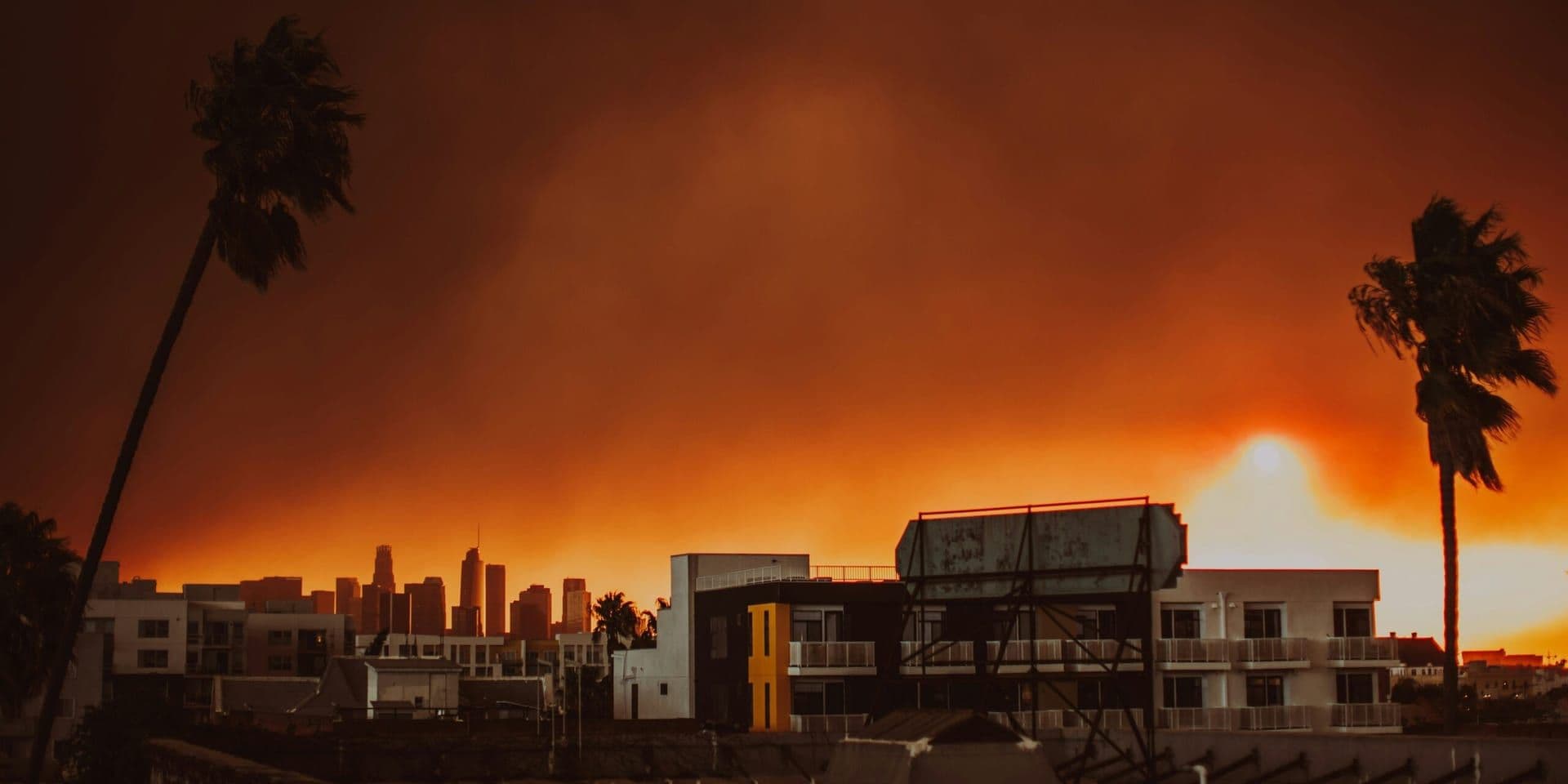
Los Angeles’ commercial real estate market is navigating a challenging landscape following the severe wildfires that ravaged parts of Southern California earlier this year. These wildfires, among the most destructive in recent state history, devastated thousands of structures and displaced tens of thousands of residents, leaving a deep imprint on the region’s property market and investment climate.
Wildfire Impact on Los Angeles Commercial Real Estate
According to the Los Angeles Economic Development Corporation (LAEDC), more than 17,000 residential and commercial buildings were damaged or destroyed in the recent wildfire outbreaks. The losses have sent shockwaves through the local real estate sector, prompting developers, investors, insurers, and tenants to rethink their approaches.
Commercial property transactions and leasing activities have experienced a noticeable dip in the hardest-hit zones, as uncertainty looms over rebuilding costs, evolving environmental regulations, and future tenant demand. This downturn is compounded by the complexity of navigating new safety codes and insurance challenges in wildfire-prone areas.
Temporary Market Slowdown and Risk Reassessment
Industry data shows a temporary slowdown in commercial leasing activity near the wildfire-affected areas such as parts of the Santa Monica Mountains, Malibu, and the northern edges of Los Angeles County. The economic uncertainty is reflected in cautious behavior from investors, who are reassessing the financial viability of new projects in fire-prone zones.
Insurance companies have notably tightened underwriting standards, increasing premiums or limiting coverage in high-risk areas. According to a recent report from the California Department of Insurance, wildfire-related claims surged over the past two years, prompting insurers to adjust policies and push for better risk mitigation.
This shift has increased project costs and complicated financing, leaving many developers hesitant to move forward without clear assurances.
Signs of Recovery and Innovation
Despite these challenges, the commercial real estate sector in Los Angeles is showing resilience and adaptation. Several major development projects are advancing with new fire-resistant design standards, integrating sustainable building technologies such as fire-retardant materials, advanced sprinkler systems, and defensible landscaping to mitigate wildfire risks.
John Martinez, CEO of Pacific Crest Developments, a leading LA real estate firm, noted, “The fires have been a wake-up call, but they’ve accelerated innovation in construction and urban planning. We’re now prioritizing resilience—buildings that can withstand fire and protect occupants are essential.”
This focus on resilience is also reflected in local government initiatives. The City of Los Angeles and Los Angeles County have launched programs to incentivize rebuilding with green infrastructure, including grants and expedited permitting processes for projects that incorporate wildfire mitigation measures and sustainable design.
Government and Community Support Efforts
Los Angeles officials have stepped up efforts to support the recovery of affected communities and the real estate market. Mayor Karen Bass has emphasized the importance of rebuilding stronger and smarter. “Our priority is to restore economic vitality while protecting our residents from future disasters,” she said during a recent city council briefing.
Public-private partnerships are also emerging to fund community-wide resilience projects such as creating firebreaks, improving emergency response systems, and upgrading critical infrastructure. These efforts are crucial to restoring confidence among property owners and investors.
Impact on the Residential Market
The residential real estate market in Los Angeles, closely linked to the commercial sector, has started to rebound. There is growing interest in suburban and fire-safe communities, especially in areas perceived as less vulnerable to wildfires. This trend reflects a broader migration pattern accelerated by the COVID-19 pandemic, with many Angelenos seeking homes with more space and safer environments.
Realtors report increased demand for properties equipped with fire-resistant features or located near natural fire barriers. As a result, builders are increasingly incorporating fire-adaptive designs and materials into new housing developments.
Economic Outlook and Long-Term Demand
Economists underscore that Los Angeles’ status as a global economic hub will sustain real estate demand over the long term, despite near-term setbacks caused by natural disasters. The city’s diverse economy—including entertainment, technology, manufacturing, and international trade—continues to attract businesses and workforce talent, maintaining a baseline demand for commercial spaces.
Dr. Laura Kim, an economist with the UCLA Anderson Forecast, remarked, “While wildfires have disrupted the market temporarily, LA’s fundamentals remain strong. Innovation in building resilience and government support will be key to navigating these new risks.”
Expert Advice for Buyers and Investors
Industry experts recommend that prospective buyers, investors, and developers carefully incorporate environmental risk assessments into their due diligence processes. Understanding wildfire risk zones, insurance costs, and compliance requirements is now essential in the LA market.
Jennifer Chang, a commercial real estate broker with Coldwell Banker Commercial, advised, “Buyers must evaluate not only the property’s condition but also its vulnerability to wildfire and the costs of necessary upgrades. Insurance availability and costs are also critical factors.”
Looking Ahead: Sustainability and Preparedness
The commercial real estate outlook in Los Angeles remains complex but increasingly focused on sustainability and disaster preparedness. Developers are embracing innovative technologies like smart fire detection systems and eco-friendly landscaping that supports fire resistance.
Moreover, city planners are revisiting zoning laws to encourage buffer zones and limit development in the highest-risk areas, aiming to reduce the future impact of wildfires on both property and human lives.
Summary of Post-Wildfire Commercial Real Estate Trends in Los Angeles
Temporary dip in commercial property transactions and leasing activity in wildfire-affected zones.
Insurance premium hikes and stricter underwriting complicate financing and project viability.
Major projects advancing with fire-resistant designs and sustainable building technologies.
Local government incentives and expedited permitting support resilient rebuilding.
Increased demand for residential properties in suburban and fire-safe communities.
Economic fundamentals remain strong, with long-term commercial demand expected to recover.
Experts urge careful environmental risk assessment and due diligence for investors.

LA News Daily Contributor
This article features partner, contributor, or branded content from a third party. Members of the LA News Daily editorial staff were not involved in the creation of this content. All views and opinions are those of the contributor alone.