LA Leaders Respond to National Guard Deployment Amid Immigration Protests
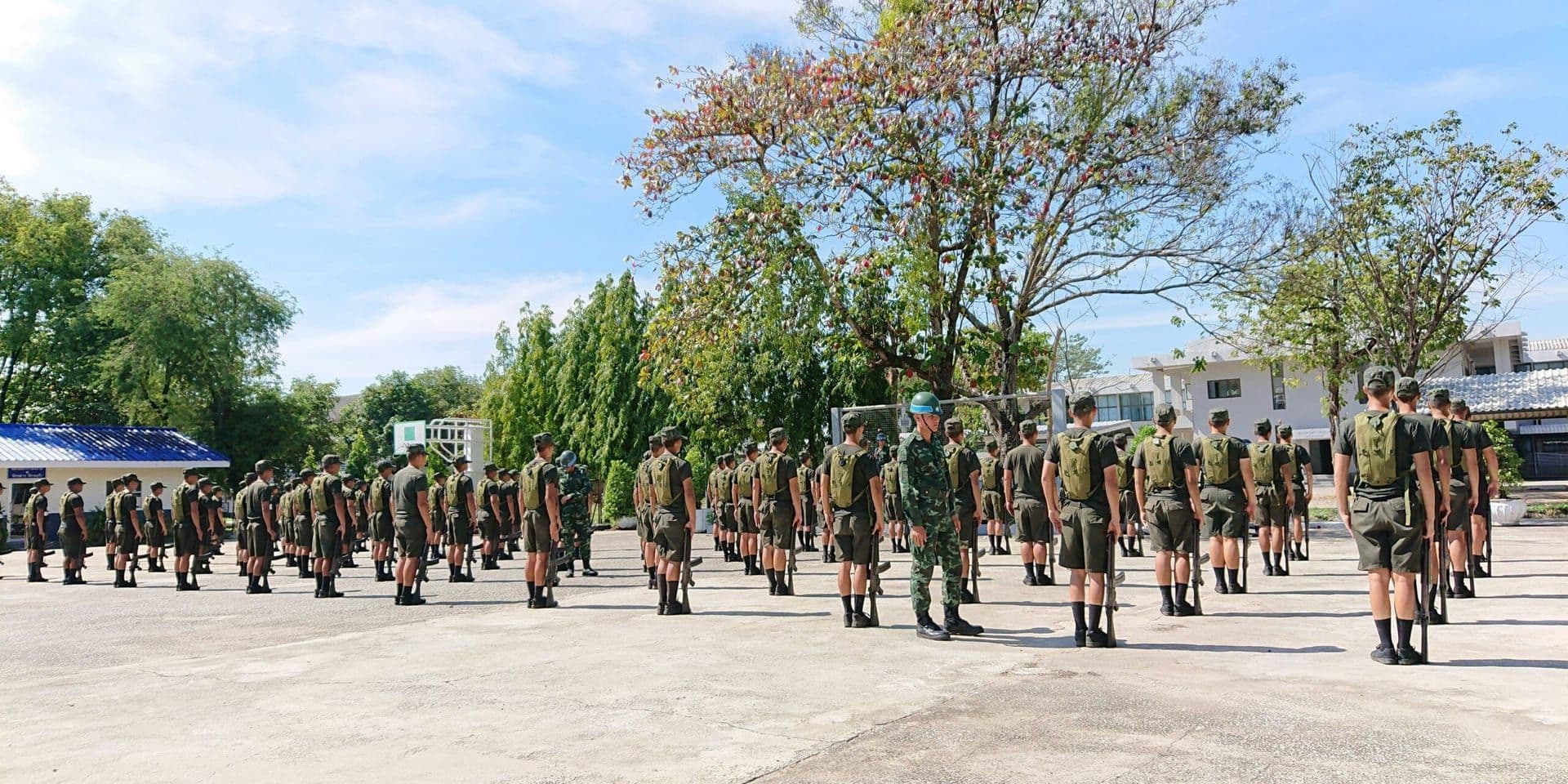
LOS ANGELES, CA — In the wake of a surge of immigration protests in Los Angeles, political tensions have escalated following the deployment of 2,000 National Guard troops by President Donald Trump to assist with immigration enforcement efforts. The decision, which was announced in early June 2025, has sparked heated debates about the federal government’s involvement in local matters and the rising tensions around immigration enforcement in California.
Context of the Deployment: The National Guard deployment comes amid an ongoing series of Immigration and Customs Enforcement (ICE) raids in Los Angeles, targeting businesses, homes, and public spaces believed to be harboring undocumented individuals. ICE agents have been conducting raids across various parts of the city, including large-scale operations at Home Depot stores and popular restaurants in the Fashion District, resulting in over 100 detentions in the past two weeks.
The raids have prompted strong reactions from local immigrant rights groups, who argue that such actions are disproportionately affecting marginalized communities. Many activists and local leaders see the deployment as an unnecessary escalation and a clear attempt to enforce stricter immigration laws through military intervention, a move they say undermines California’s sanctuary state policies.
California, which has long positioned itself as a safe haven for undocumented immigrants, has been in conflict with federal immigration policies since Trump’s presidency. In response to the National Guard’s presence in Los Angeles, Governor Gavin Newsom issued a statement condemning the deployment, calling it “an inflammatory move meant to escalate tensions and undermine our state’s rights to protect its residents.”
Newsom went on to emphasize that California has the legal right to establish its own policies regarding immigration enforcement and that the federal government’s actions go against the values of compassion and human rights that California stands for. “Our state is a place of opportunity for all,” Newsom said during a press conference. “We will not let our immigrant communities be intimidated.”
The Political Divide: The decision to deploy the National Guard has been praised by some who argue that the federal government must do more to secure the nation’s borders and enforce immigration laws. President Trump, in his public address, defended the deployment, stating that the National Guard’s presence was necessary to “protect American workers” and “maintain order.”
However, in California, the issue is more divisive. Los Angeles Mayor Karen Bass joined Newsom in condemning the deployment, stating that the move was politically motivated and only exacerbated an already volatile situation. “Los Angeles has been a sanctuary city for decades, and we will not stand by while the federal government undermines the safety and security of our communities,” Mayor Bass said.
The National Guard’s role, according to Bass, should be limited to assisting with natural disasters, not engaging in political disputes over immigration enforcement. “We have local law enforcement that can and should handle any issues related to immigration. The military is not a tool for rounding up families,” she added.
Protests and Civil Disobedience: In the days following the deployment, Los Angeles saw an outpouring of protests, with demonstrators marching to City Hall and ICE facilities to voice their discontent. Protests were organized by groups such as United We Dream and The California Immigrant Policy Center, who have long advocated for comprehensive immigration reform and the protection of undocumented immigrants.
On June 4, 2025, thousands gathered at MacArthur Park for a peaceful demonstration that grew in size throughout the afternoon. Protestors chanted, “Not one more!” and “Families, not fences!”—referring to the separation of families during previous immigration raids. The protest turned into a rally for undocumented workers and their families, many of whom had been directly impacted by ICE’s actions.
Protestors marched through downtown Los Angeles, stopping at various federal buildings, including the ICE office on Broadway, where they confronted law enforcement officers and made their voices heard in opposition to the escalating raids. While the protests were largely peaceful, there were several confrontations with police, and 25 people were arrested for civil disobedience after they blocked an intersection near Los Angeles International Airport (LAX).
Immigrant Communities at Risk: For many immigrants in Los Angeles, the fear and uncertainty surrounding these ICE raids have become a daily reality. Ana Morales, an undocumented mother of two, has lived in the city for over 15 years. She works at a local grocery store and has been worried about the increased presence of ICE agents in her neighborhood. “Every time I go out to work, I fear I might not be able to return home to my children,” Morales said.
Her situation reflects a broader concern among the undocumented population, many of whom now live in fear of being detained or deported. Morales and others in the community are calling for immediate changes to federal immigration policy, including the passage of the DREAM Act to provide a path to citizenship for young immigrants and stronger protections for families.
Legal Action and Resistance: As tensions grow, California lawmakers are seeking ways to challenge the deployment of the National Guard through legal means. Senator Dianne Feinstein has proposed legislation that would limit the use of military forces within California’s borders unless there is a clear and immediate threat to public safety. “The use of military force against civilians is unprecedented and should not be tolerated,” Feinstein said.
The legal battle surrounding the National Guard’s deployment is expected to escalate, with both sides preparing for a showdown in court. California officials are hoping that the state’s strong stance on immigrant rights will help protect its residents from federal overreach. However, the situation remains fluid as Washington and Sacramento remain at odds over how best to address the nation’s immigration crisis.
Conclusion and Outlook: The debate over immigration policy, ICE raids, and the use of military forces in civilian spaces is unlikely to resolve anytime soon. As long as federal policies remain hostile toward undocumented immigrants, local governments in California, especially Los Angeles, are expected to continue their defiance, seeking alternative ways to protect their communities.
As the protests in Los Angeles grow and public outrage intensifies, it is clear that the fight for immigrant rights is far from over. The coming weeks will likely see more legal challenges, more protests, and perhaps a deeper rift between federal authorities and local officials.

LA News Daily Contributor
This article features partner, contributor, or branded content from a third party. Members of the LA News Daily editorial staff were not involved in the creation of this content. All views and opinions are those of the contributor alone.
previous post
Forgiveness for Change: Releasing the Past