LA City Council Approves Comprehensive Measures to Address Homelessness Crisis
Los Angeles, CA — May 22, 2025 — In a landmark decision to confront one of its most pressing social issues, the Los Angeles City Council has unanimously approved a broad package of initiatives aimed at significantly reducing homelessness and enhancing support services across the city. This multi-faceted approach follows months of public hearings, stakeholder consultations, and in-depth policy analysis, reflecting the city’s urgent need to respond to the escalating crisis.
A Bold New Strategy to Combat Homelessness
The newly approved measures represent the most comprehensive homelessness policy enacted by the council in recent years. Central to the initiative is a substantial increase in funding dedicated to the construction and ongoing maintenance of supportive housing units specifically designed for homeless individuals and families. These housing projects are not just about providing shelter but also focus on delivering integrated services such as mental health care, addiction treatment, and job training, which are essential to addressing the root causes of homelessness.
Councilmembers highlighted the importance of combining affordable housing with wraparound social services, an approach proven effective in cities like Houston and Salt Lake City, which have successfully reduced chronic homelessness through “Housing First” models. Los Angeles hopes to replicate and build on these successes, tailoring the approach to the city’s unique challenges.
Managing Encampments with Compassion and Care
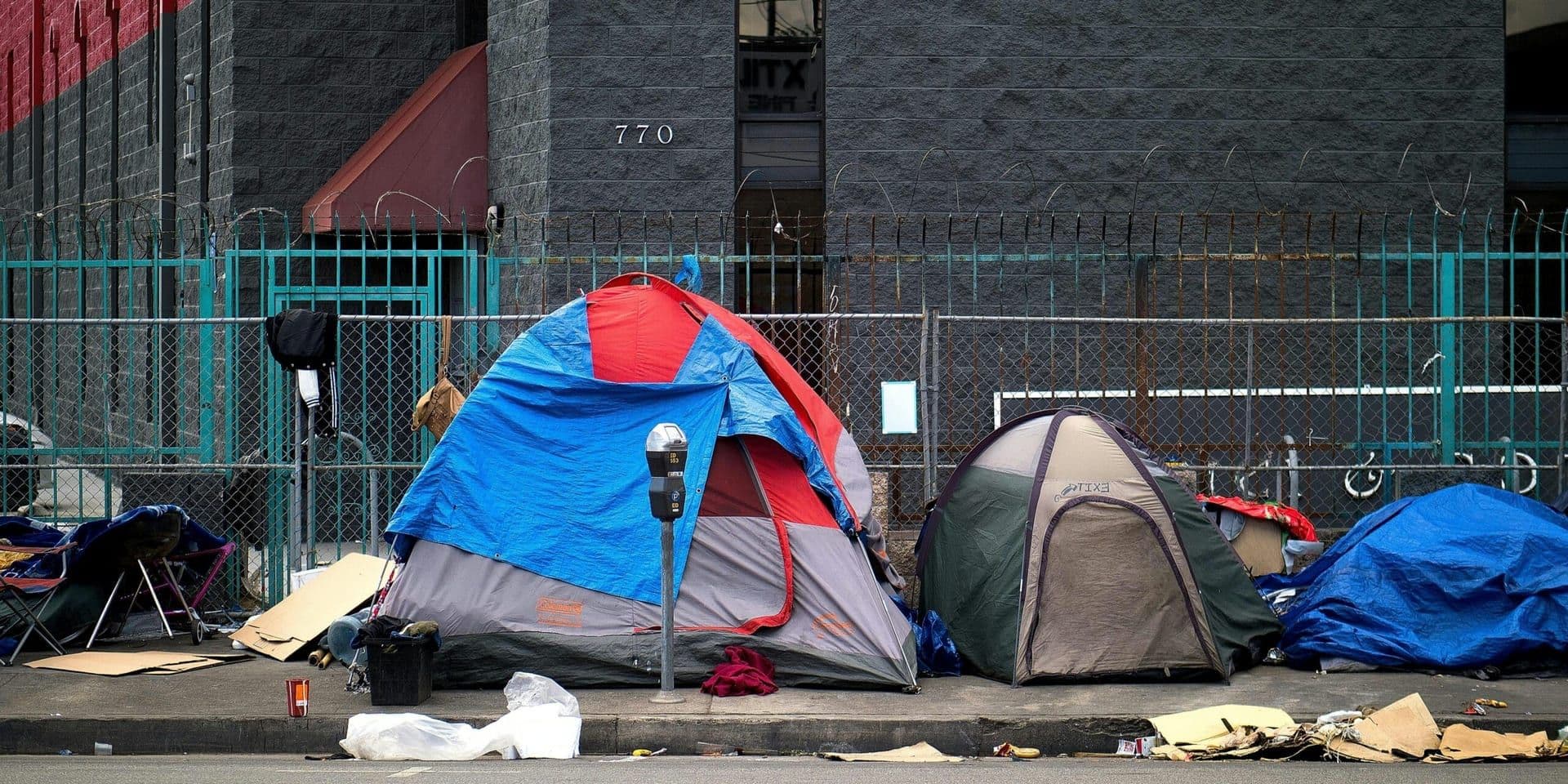
Alongside the housing initiatives, the City Council passed new regulations aimed at better managing homeless encampments, seeking a balance between humanitarian outreach and public health and safety concerns. This includes expanding outreach teams that work directly with encampment residents to connect them with services and shelter options.
The city is also set to increase cleanup operations and roll out expanded safe parking programs to provide alternatives for those living in vehicles—a rapidly growing demographic within the homeless population. Safe parking initiatives, which offer monitored and sanitary locations for vehicle dwellers to park overnight, have gained traction nationwide and offer a humane alternative to displacement.
Council President Eunisses Hernandez emphasized the delicate balance the city must maintain: “We must address the root causes of homelessness while ensuring our streets and neighborhoods are safe and welcoming for everyone,” she said at the council meeting.
Community Voices and Ongoing Concerns
The council’s package has received mixed reactions from various stakeholders. Homeless advocates have lauded the city’s commitment to increasing supportive housing and enhancing service delivery but urged the city to maintain transparency and accountability throughout the implementation process.
Conversely, some community members, particularly in neighborhoods severely impacted by homelessness, expressed concerns about the increased cleanup efforts. They fear that stricter enforcement without sufficient alternative housing options could result in the displacement of vulnerable populations, pushing the crisis further underground. Neighborhood councils have demanded regular progress reports and a seat at the table in planning and decision-making processes to ensure community voices are heard.
Funding and Implementation Hurdles
While the approval marks a significant policy step forward, experts warn of the considerable financial and logistical hurdles ahead. Securing sustained state and federal funding will be critical. The city is currently pursuing grants from programs like California’s Homeless Emergency Aid Program (HEAP) and federal HUD Continuum of Care funds, which are instrumental in financing housing projects and supportive services.
Housing developers, including Sarah Kim, note the challenges ahead: “The city’s increased commitment is encouraging, but meeting the scale of demand requires sustained investment and streamlined approval processes. Red tape can delay crucial projects,” she said, reflecting widespread concerns from the development community.
Coordinating efforts across numerous city agencies and nonprofit partners will also be essential to the strategy’s success, requiring careful oversight and management.
Homelessness in Los Angeles: A Persistent Crisis
Los Angeles faces one of the largest and most visible homelessness crises in the United States. According to the 2024 Greater Los Angeles Homeless Count, over 82,000 people were experiencing homelessness across LA County, a number that has steadily risen despite various intervention efforts.
The crisis is fueled by a convergence of factors: soaring housing costs, gaps in mental health and addiction treatment services, economic inequality, and systemic barriers to employment and healthcare. In particular, the city’s skyrocketing rental prices have priced out many low-income residents, while the COVID-19 pandemic’s economic fallout has exacerbated vulnerabilities.
Los Angeles’ homelessness response strategy aligns with broader state initiatives, such as California’s Homeless Coordinating and Financing Council’s (HCFC) efforts to improve coordination and funding for homelessness services statewide.
What This Means for Angelenos
This new policy package aims to reduce homelessness by providing long-term solutions rather than temporary fixes. Key elements include:
Supportive Housing Development: Increased funding to build thousands of new affordable housing units integrated with onsite services.
Enhanced Outreach and Engagement: Expanded teams to connect unsheltered individuals with resources and shelter options.
Safe Parking Programs: Designated parking areas with access to facilities for those living in vehicles.
Balanced Encampment Management: Humane cleanup operations that aim to minimize displacement while addressing health and safety.
Public-Private Partnerships: Strengthened collaboration with nonprofits, healthcare providers, and housing developers.
Experts Weigh In
Dr. Emily Ortiz, a homelessness researcher at UCLA, praised the city’s comprehensive approach: “Integrating housing with critical services like mental health and addiction treatment is key. Cities that invest in these programs see reduced rates of homelessness recidivism and better long-term outcomes.”
However, she cautioned that “success depends on sustained political will, funding, and community buy-in.”
Looking Forward
As the city moves toward implementation, all eyes will be on how effectively these initiatives are rolled out and whether they can stem the tide of homelessness that has become a defining challenge for Los Angeles.
The council’s approval marks a hopeful step toward addressing a complex crisis with compassion and pragmatism, but the road ahead remains difficult. Stakeholders agree that continuous evaluation, community engagement, and investment will be critical to turning these plans into lasting change.

LA News Daily Contributor
This article features partner, contributor, or branded content from a third party. Members of the LA News Daily editorial staff were not involved in the creation of this content. All views and opinions are those of the contributor alone.