
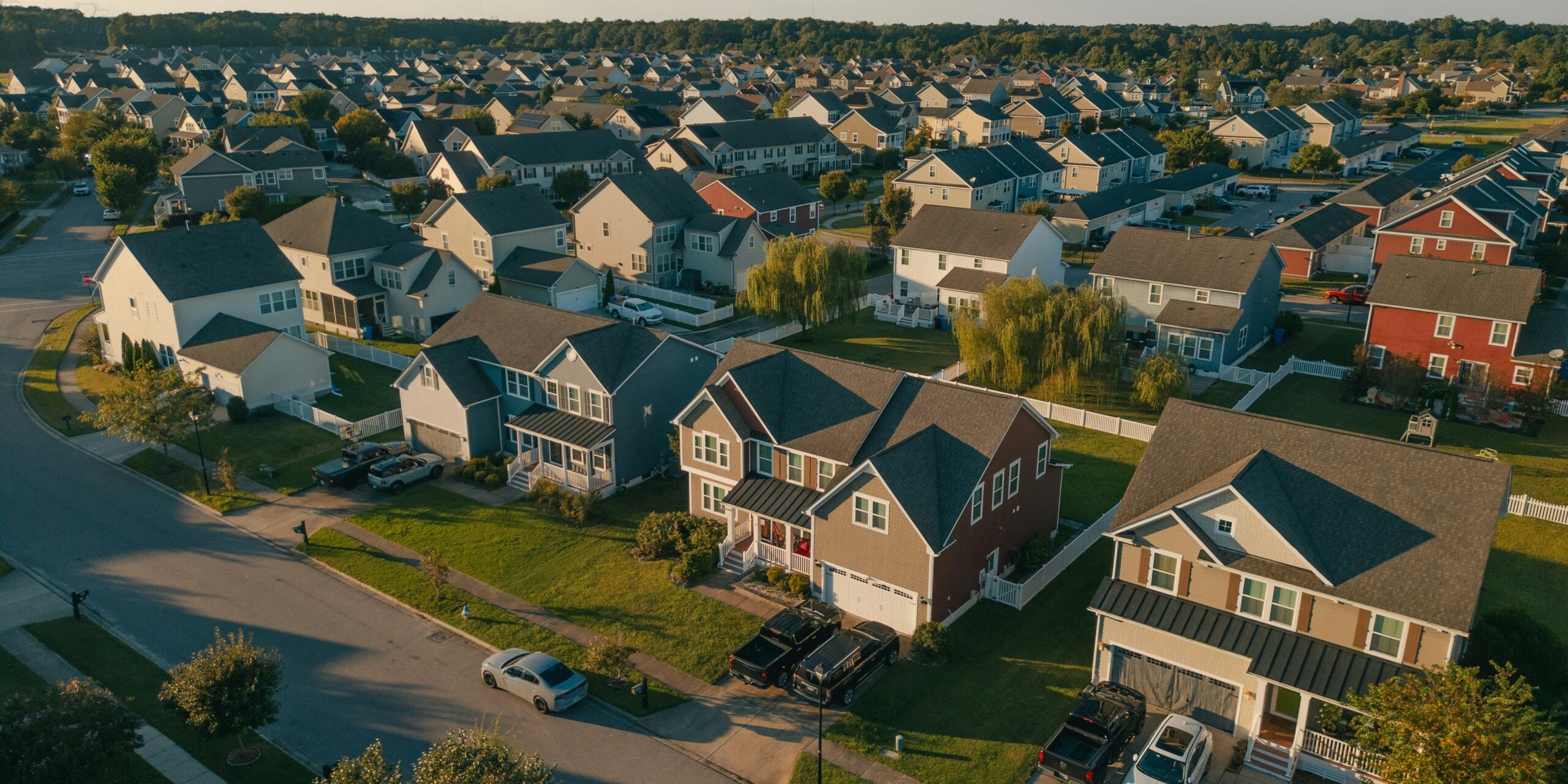
As 2025 comes to a close, the U.S. housing market is showing clear signs of cooling after several years of heated activity, record price growth, and intense competition. This late-year moderation, marked by slowing home price increases and a rise in inventory, is creating new possibilities for buyers—particularly first-time homeowners and those who were previously priced out of the market. The latest data underscores a market in transition, where evolving economic conditions, shifting buyer behavior, and easing affordability pressures are reshaping how Americans approach homeownership.
According to the most recent findings from Cotality’s U.S. Home Price Insights report, year-over-year home price growth has slowed to just over one percent nationally—the most modest pace seen since 2012. In a sharp departure from the double-digit gains that characterized the early 2020s, many metropolitan areas are now recording either single-digit appreciation or slight price declines. Cities that once saw rapid upward price movement, such as parts of California, Florida, and the Mountain West, have entered a phase of price stabilization or soft correction. This shift reflects not just cooling demand but also the impact of broader macroeconomic forces influencing buyer decisions, such as elevated interest rates, inflation fatigue, and shifting employment patterns.
One of the most notable changes in 2025 has been the rise in housing inventory. After years of historically low supply, listings increased substantially in the second half of the year, offering buyers a wider range of options and easing the pressure of bidding wars. In many markets, this inventory growth has helped normalize pricing and extended the amount of time homes remain on the market. Sellers are adjusting their expectations, and in some cases, reducing listing prices to align with a more balanced environment. For prospective buyers, especially those entering the market for the first time, this increased availability means better negotiating power and a greater chance to secure a home that fits both their needs and budgets.
Meanwhile, mortgage rates, which had hovered above 7% earlier in the year, began to decline in late 2025 following a shift in the Federal Reserve’s interest rate policy. By December, the average rate for a 30-year fixed mortgage had fallen to around 6.15%, its lowest point of the year. While this rate is still high by historical standards, it represents meaningful relief for borrowers who were previously sidelined due to the cost of financing. Lower rates translate to reduced monthly payments and have sparked renewed interest among buyers who had paused their home search during periods of peak borrowing costs.
In tandem with these financial shifts, data from the National Association of Realtors indicated a significant uptick in pending home sales toward the end of the year. November marked the highest level of contract signings in nearly three years, suggesting that buyer activity is reawakening across various regions. This increase in demand has been supported by modest wage growth, improved affordability metrics in select markets, and the growing sense that the window to buy before further rate declines—or potential price rebounds—may be narrowing.
Nevertheless, affordability remains a central challenge. In many urban and high-demand coastal areas, home prices remain out of reach for large segments of the population, especially when paired with lingering inflation in other aspects of household budgets. First-time buyers continue to face hurdles such as saving for down payments, qualifying for financing, and competing against investors or cash buyers. While the cooling market has helped alleviate some of these pressures, it has not erased them entirely. The disparity between income growth and home price appreciation over the past decade has left a lasting impact on housing accessibility.
The geography of the market correction is also uneven. While some regions—particularly in the Midwest and South—have remained relatively stable or even experienced slight price gains, others have seen more pronounced declines. In the western United States, markets that had experienced rapid run-ups in prices are now leading the slowdown, with price drops most visible in cities that became hotspots during the pandemic housing surge. These shifts emphasize how local conditions—employment trends, migration patterns, and inventory dynamics—continue to shape real estate outcomes in different parts of the country.
Commercial real estate has also experienced sectoral shifts in 2025, with some segments showing signs of resilience while others have struggled. Data centers and high-quality industrial properties have remained in strong demand due to the continued growth of cloud computing and e-commerce infrastructure. In contrast, office space in many urban cores continues to face uncertainty as hybrid and remote work reshape occupancy needs. This divergence in commercial real estate performance further reflects the broader rebalancing underway across the real estate sector.
Looking ahead to 2026, most analysts expect these cooling trends to continue, though at a more gradual pace. Home prices are forecasted to remain relatively flat or see only mild appreciation in many regions. Inventory is likely to stay elevated as more sellers adjust to post-pandemic market norms, and mortgage rates are expected to fluctuate within a moderate range depending on broader economic developments. The focus for many prospective buyers will be on value—identifying homes that provide quality and stability in a changing market landscape.
In the context of a maturing economic cycle, the 2025 housing market has revealed a new phase for American real estate: one where balance, adaptability, and realism take precedence over exuberance. For buyers, this may be the opportunity they’ve been waiting for—a chance to purchase in a less frenzied environment with greater choice and improved financing options. For the industry, it signals a necessary recalibration, setting the stage for a more sustainable path forward in 2026 and beyond.