
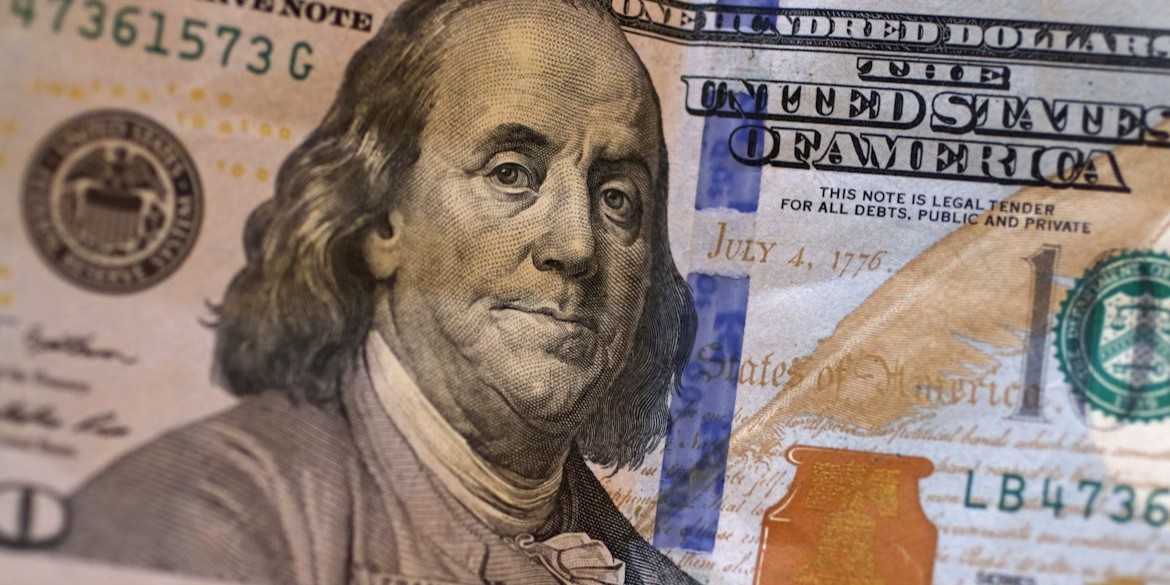
The U.S. made a surprising move by purchasing a significant amount of Argentinian pesos, causing immediate shifts in global financial markets. This unexpected development caught investors and analysts off guard, leading to a noticeable decline in the Dow Jones Industrial Average. The U.S. government or financial institutions’ decision to acquire a large quantity of pesos raised questions about the reasons behind such a strategy and its potential long-term effects on international trade and currency markets.
The purchase of the Argentinian currency is seen as an unusual step, especially in the context of the current global economic landscape. Analysts are scrambling to understand the motivations behind this decision and what it could mean for both the U.S. and Argentina. The immediate market reaction, marked by a drop in the Dow, indicates that investors are uncertain about the potential ramifications of this move on the broader economy. Financial markets thrive on predictability, and any action that introduces unexpected variables can lead to volatility.
One potential explanation for this purchase is that the U.S. is attempting to support the Argentine peso, which has been struggling due to inflation, economic instability, and a challenging fiscal environment. By acquiring pesos, the U.S. could be trying to bolster the Argentine currency and provide some stability in the face of mounting economic pressures. This would align with broader international efforts to stabilize emerging-market currencies, which have been prone to wild fluctuations in recent years.
However, this move could also have wider implications. If the U.S. is buying pesos, it might indicate a strategic shift in its relationship with Argentina. The U.S. could be signaling its support for Argentina during a time of economic difficulty, perhaps as part of a broader effort to strengthen trade relations with Latin American countries. Alternatively, it could be a way for the U.S. to hedge against potential risks in the global currency market, diversifying its foreign reserves in an uncertain economic climate.
The impact of this move on the U.S. dollar is another area of concern. If the U.S. is buying foreign currency, particularly pesos, it could lead to a decrease in demand for the dollar. A weaker dollar could have far-reaching effects on global trade, as many commodities and international transactions are priced in U.S. dollars. A decline in the dollar’s value might increase the cost of imports for the U.S. while making U.S. exports cheaper for foreign buyers, potentially benefiting American manufacturers. However, a weaker dollar could also lead to higher inflation within the U.S. economy.
Investor sentiment has been cautious, and the immediate drop in the Dow suggests that the markets are taking a wait-and-see approach. Investors are keenly monitoring the situation, trying to assess whether the U.S.’s purchase of pesos will have a lasting impact on the currency markets or whether it is simply a short-term adjustment. The uncertainty surrounding this event highlights the interconnectedness of global economies, where even seemingly small moves can lead to significant shifts in market behavior.
Looking forward, analysts are closely watching how this development unfolds. The long-term effects on international trade, currency markets, and global financial stability remain uncertain. It is possible that the U.S.’s actions will prompt other nations to adopt similar strategies, or that it will lead to greater economic cooperation between the U.S. and Argentina. On the other hand, this move could lead to further instability if it triggers a series of unpredictable reactions in the global market.
The coming weeks and months will likely reveal whether this purchase of Argentinian pesos was a one-off event or part of a broader strategy by the U.S. government. For now, financial markets are in a state of cautious optimism, as investors await further clarification on the implications of this unusual and unexpected move.
Read Also: https://lanewsdaily.com/commercial-real-estate-sees-renewed-momentum-despite-market-caution/